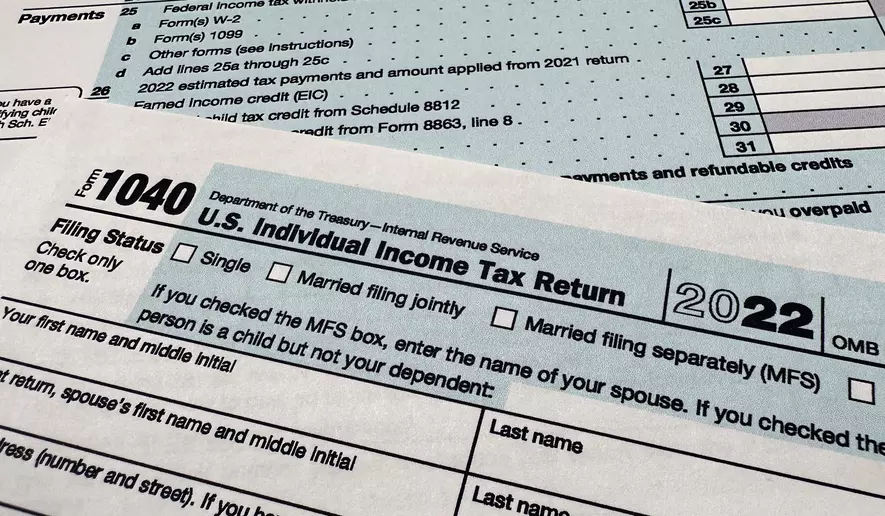
The Internal Revenue Service is reportedly exploring a major change to federal tax forms that could require taxpayers to disclose whether they are U.S. citizens.
According to anonymous sources cited by Reuters, the IRS is considering adding a citizenship-status checkbox to future versions of Form 1040 beginning next tax season.
One reported draft version of the form would include language stating: “Check this box if you are a non-U.S. citizen or have dual citizenship.”
While the proposal remains under review and no final decision has been announced, the potential change is already drawing attention because of its connection to broader immigration enforcement and government tracking efforts under the Trump administration.
Federal law currently requires undocumented immigrants and non-citizens earning income in the United States to file tax returns and pay taxes, even if they are living or working in the country illegally.
For years, critics argued the federal government maintained a strange contradiction: millions of people could enter the country unlawfully, work using temporary or questionable documentation, pay taxes through the IRS, and yet still remain largely outside meaningful immigration enforcement systems. Because apparently Washington’s favorite hobby became collecting taxes from people it simultaneously claimed it couldn’t identify or track.
Supporters of stronger immigration enforcement say a citizenship disclosure requirement could improve transparency and help federal agencies better understand how many non-citizens are participating in the U.S. workforce and tax system.
Others argue the measure could eventually become part of broader efforts to distinguish citizens, legal residents, visa holders, and undocumented immigrants inside federal administrative systems.
At the same time, critics of the proposal warn that adding citizenship-related questions to tax forms could discourage compliance among immigrant communities and create concerns about how taxpayer information might be shared across agencies.
The reported discussions come as immigration policy remains one of the central issues shaping the Trump administration’s domestic agenda.
President Donald Trump and Republican lawmakers have repeatedly emphasized restoring stronger border security, tightening immigration enforcement, reducing abuse of visa programs, and improving government oversight involving non-citizens residing in the country.
The administration has also focused heavily on distinguishing between legal immigration and illegal entry, arguing that federal systems should prioritize transparency, accountability, and enforcement consistency.
Although the IRS has not officially confirmed the proposal, the fact that such discussions are reportedly taking place reflects how deeply immigration issues are now influencing multiple areas of federal policy — including taxation and financial reporting.
For supporters of stricter immigration controls, the idea is viewed as basic administrative common sense. For opponents, it raises concerns about privacy and future enforcement implications.
Either way, the conversation signals that Washington may be moving toward a much more detailed accounting of who is living, working, and paying taxes inside the United States.