Underground tunnels, hidden launchers, stockpiled weapons — and another reminder that terror groups do not spend years building infrastructure for peace.
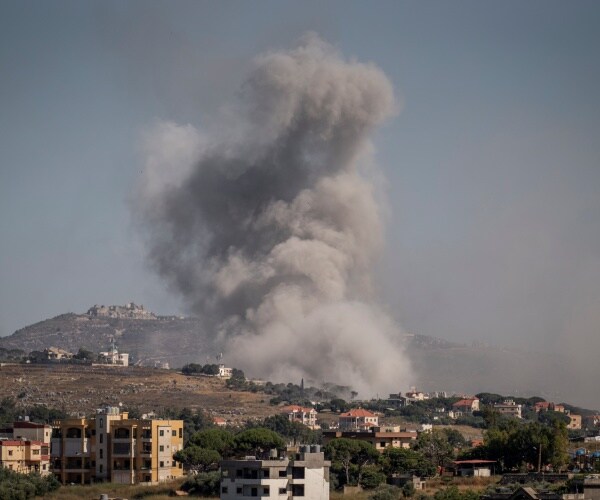
Israel announced Sunday that its military destroyed underground infrastructure used by Hezbollah in southern Lebanon, striking what officials described as a significant tunnel system packed with weapons and launch capabilities.
According to a joint statement from Israeli Prime Minister Benjamin Netanyahu and Defense Minister Israel Katz, the operation targeted a roughly 200-meter (656-foot) tunnel in the town of Majdal Zoun.
Israeli officials said the United States was informed before the strike.
The tunnel, according to the Israeli statement, contained hundreds of weapons and launchers hidden beneath the surface — infrastructure that Israeli authorities characterized as part of Hezbollah’s military network operating inside southern Lebanon.
The operation comes against the backdrop of years of tension along Israel’s northern border, where Hezbollah has built extensive capabilities while presenting an ongoing security threat to Israeli communities.
For Israel, the argument is straightforward: waiting until rockets are launched is not a defense strategy.
Israeli leaders have repeatedly maintained that underground facilities, weapons caches, and launch positions embedded near civilian areas are not defensive assets — they are operational platforms designed for future attacks. From that perspective, dismantling them before they are used is not escalation; it is prevention.
The involvement of Washington in advance notification also highlights the continued strategic coordination between Israel and the United States on major regional security matters, particularly when operations risk broader consequences across the region.
No country is expected to accept armed tunnel networks and stockpiled launch systems positioned just across its border and simply hope they remain unused.
The larger question remains whether international pressure will continue focusing primarily on Israeli responses — or whether equal attention will be given to the construction of the underground military infrastructure that made those responses inevitable in the first place.
For Israel, the message appears unchanged: sovereignty means defending borders before threats emerge above ground.