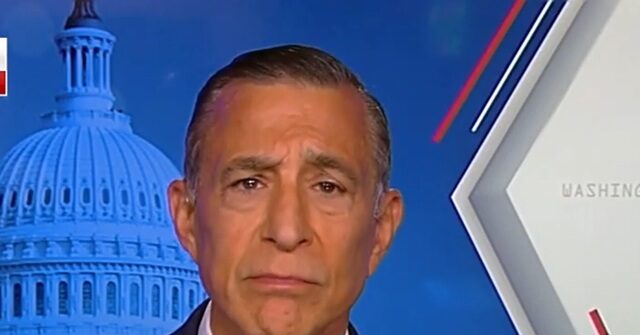
A renewed political firestorm is building around former White House COVID-19 adviser Dr. Anthony Fauci after Rep. Darrell Issa (R-CA) called for a formal investigation and possible charges, citing alleged perjury and obstruction tied to COVID-19 origins and U.S.-funded research in Wuhan.
The comments come amid claims tied to Director of National Intelligence Tulsi Gabbard’s declassified materials, which reportedly suggest Fauci misled Congress about federal funding connected to so-called gain-of-function research at the Wuhan Institute of Virology in China.
At the center of the controversy is whether U.S. officials were fully transparent about the extent and nature of research funding linked to the Wuhan Institute of Virology—a subject that has remained politically and scientifically contested since the early days of the pandemic.
Appearing on Fox Business’ “The Evening Edit,” Issa argued that the damage from COVID-19 was already “massive” and said accountability must follow if officials intentionally misled Congress. He pointed specifically to potential perjury and what he described as a broader “cover-up,” suggesting that obstructing oversight efforts may have worsened public harm.
“Well, I don’t think anyone has to debate the damage that the release of this virus caused,” Issa said, pointing to global economic losses and loss of life. He went further, calling for an official investigation into Fauci’s testimony before Congress.
“As you know, often the cover-up is worse than the original lie,” Issa added, arguing that deliberate obstruction of congressional inquiries may have prevented the public from understanding the full scope of early pandemic decisions.
Supporters of Issa’s position argue that Congress has a duty to pursue accountability if federal health officials were not fully transparent, especially given the unprecedented policy decisions that followed—lockdowns, mandates, and sweeping public health restrictions that reshaped American life.
Opponents, however, caution that the lab-leak debate and related funding questions remain scientifically and politically disputed, and warn that criminalizing public health testimony could have a chilling effect on future expert guidance during national emergencies. They argue that conclusions about intent or wrongdoing should not be drawn from incomplete or contested records.
Still, the controversy underscores a broader frustration that has not faded: many Americans continue to question how early COVID-19 decisions were made, what information was known internally, and why conflicting narratives took so long to surface.
Issa also suggested, in a more overtly political aside, that public perception of the pandemic response could have reshaped the 2020 election outcome, arguing that former President Donald Trump was unfairly misled by federal health agencies during the crisis. And, as he framed it, that history still hasn’t been fully reckoned with.
And that may be the most politically sensitive layer of all.
At its core, the debate now extends beyond one official. It touches on trust in federal health agencies, congressional oversight, and whether the American public was given the full truth during one of the most consequential periods in modern history.