If there’s one thing the space industry continues to prove, it’s that launching rockets is not for the impatient—or the easily discouraged.
As Elon Musk has often pointed out, rockets are hard. Coming from someone leading one of the most successful private-sector space ventures in history, that observation carries some weight. But private companies aren’t the only ones pushing toward the stars.
Japan has been steadily advancing its own space ambitions, and after facing a difficult setback late last year, it just delivered an important comeback.
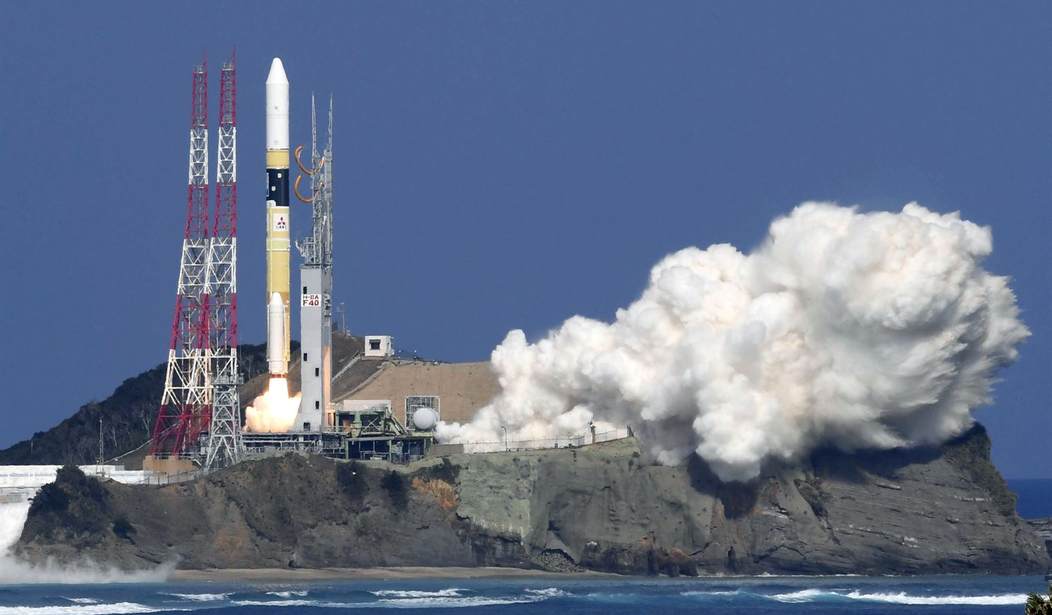
The Japan Aerospace Exploration Agency (JAXA) successfully launched its H3 rocket on Friday, marking a major milestone after the program’s previous failure in December.
During that earlier attempt, the mission ran into trouble when the rocket’s second stage failed to ignite as intended, bringing the launch to an unsuccessful end and raising questions about the program’s timeline moving forward.
This time, however, the H3 lifted off successfully, giving Japan an important victory in its continued effort to expand its capabilities in space.
Space programs rarely move in a straight line. Progress tends to arrive with delays, setbacks, and enough engineering headaches to make accountants nervous. But successful returns matter—and this launch signals that Japan remains firmly in the race.
For JAXA, Friday wasn’t just a launch. It was a reminder that in space exploration, setbacks may delay the mission, but they don’t have to define it.