For a brief moment Thursday afternoon, it looked like one of the most closely watched local trials in recent memory was about to reach a conclusion.
Court reporters following the trial of Palisades Fire suspect Jonathan Rinderknecht lit up social media with word that the jury had reached a decision.
Then came the correction.
The jury had not delivered a verdict after all.
Instead, jurors informed the court they could not reach agreement.
The unexpected turn immediately shifted the atmosphere around the case from anticipation to uncertainty and raised new questions about what comes next.
Deadlocked juries are frustrating for everyone involved. Families want closure. Communities want answers. Courts want resolution. But the American legal system was deliberately built to make conviction difficult when jurors cannot agree beyond the required standard.
That is not a flaw.
That is the design.
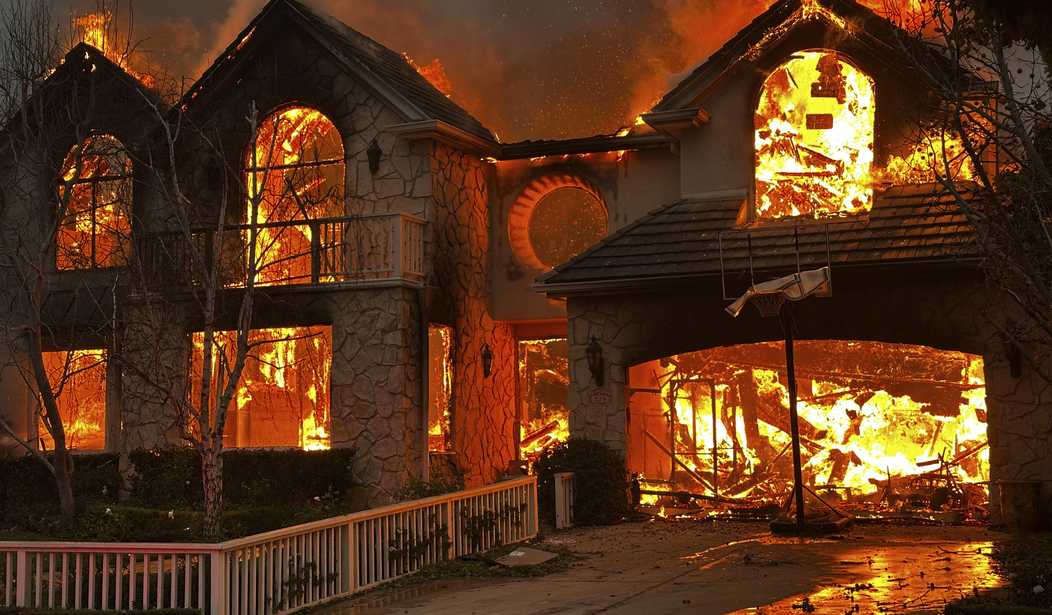
The trial centered on accusations connected to the Palisades Fire, a case that has drawn attention because of the scale of destruction and the public demand for accountability. But public attention and public anger are not substitutes for a unanimous jury.
If jurors remain divided after hearing the evidence, courts do not get to manufacture certainty.
At this stage, a deadlock does not equal innocence, and it does not equal guilt. It means the jury could not collectively arrive at a final decision under the law.
That distinction matters — especially in high-profile cases where pressure builds fast and expectations often outrun procedure.
Now attention turns to the court and prosecutors, who will have to decide whether further deliberations are possible or whether the case moves toward another path.
Americans expect accountability when disaster strikes.
But they also expect something else: that verdicts come from evidence, not momentum, headlines, or the assumption that someone must pay simply because the damage was severe.
That balance is not always satisfying.
It is still one of the reasons the system exists.