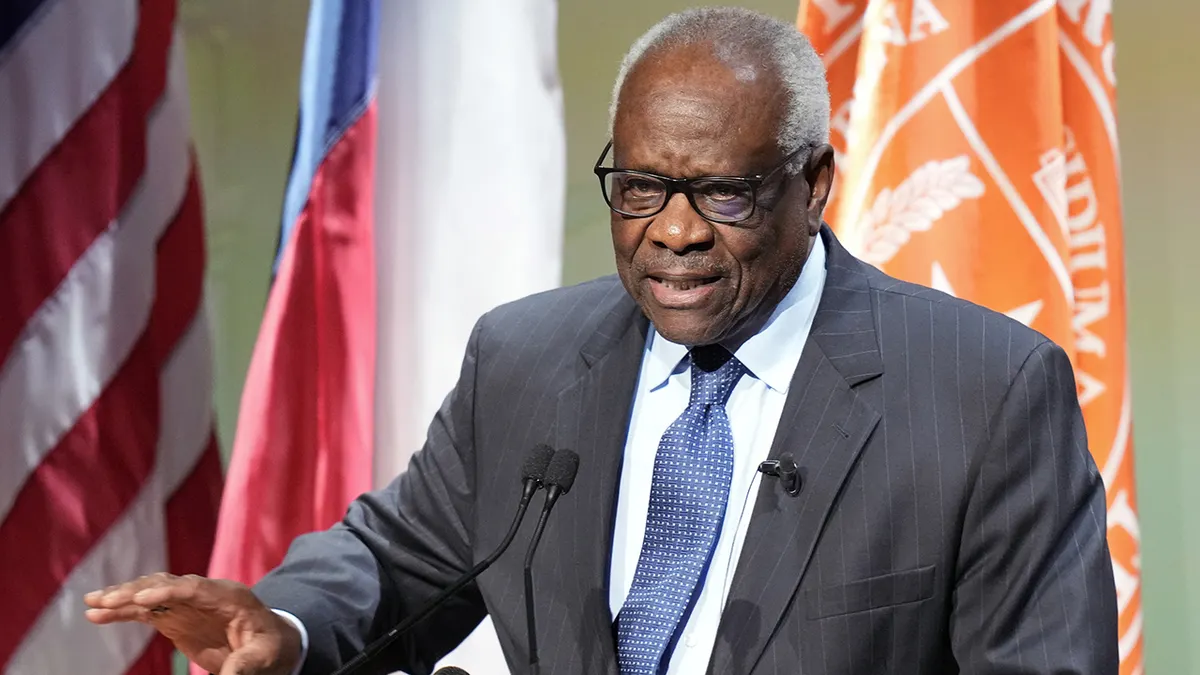
Justice Clarence Thomas sharply criticized the Supreme Court on Tuesday after the justices declined to hear a lawsuit filed by Florida against California and Washington over commercial driver’s licenses allegedly issued to illegal immigrants in violation of federal law.
The case centered on Florida’s claims that the two blue states weakened federal trucking safety and immigration standards by granting commercial driver’s licenses to individuals who allegedly did not meet requirements involving lawful immigration status and English-language proficiency.
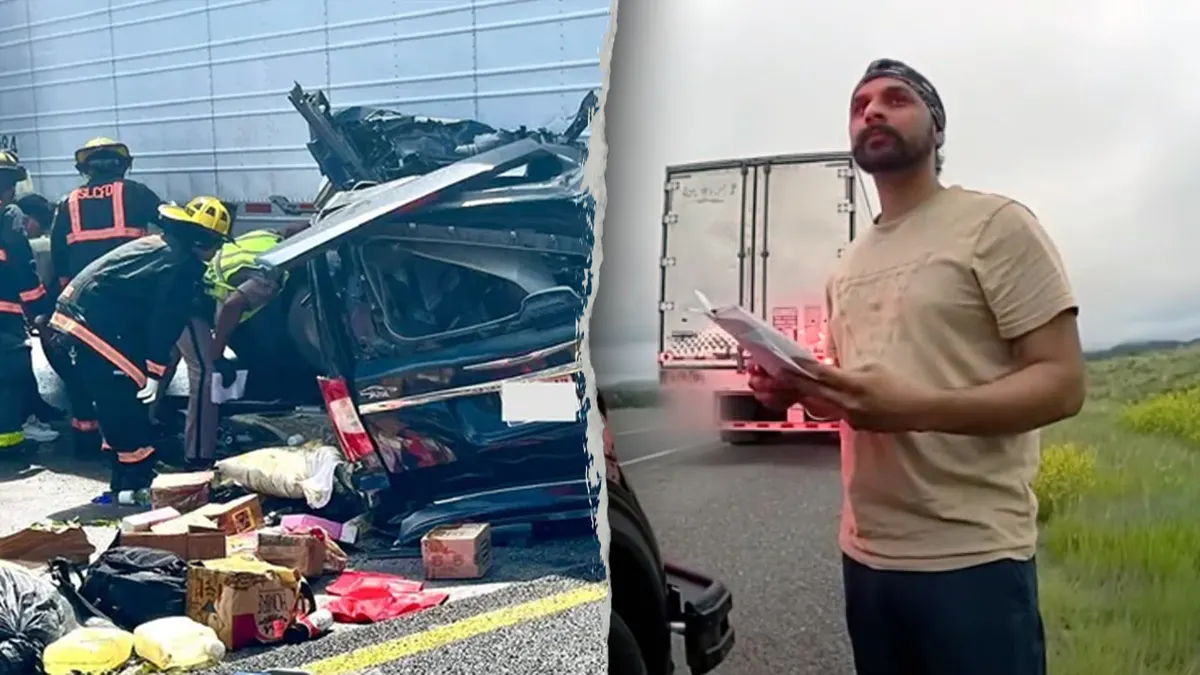
According to Florida, those policies created serious public safety risks on American highways — concerns the state tied to a deadly truck crash in Florida involving driver Harjinder Singh.
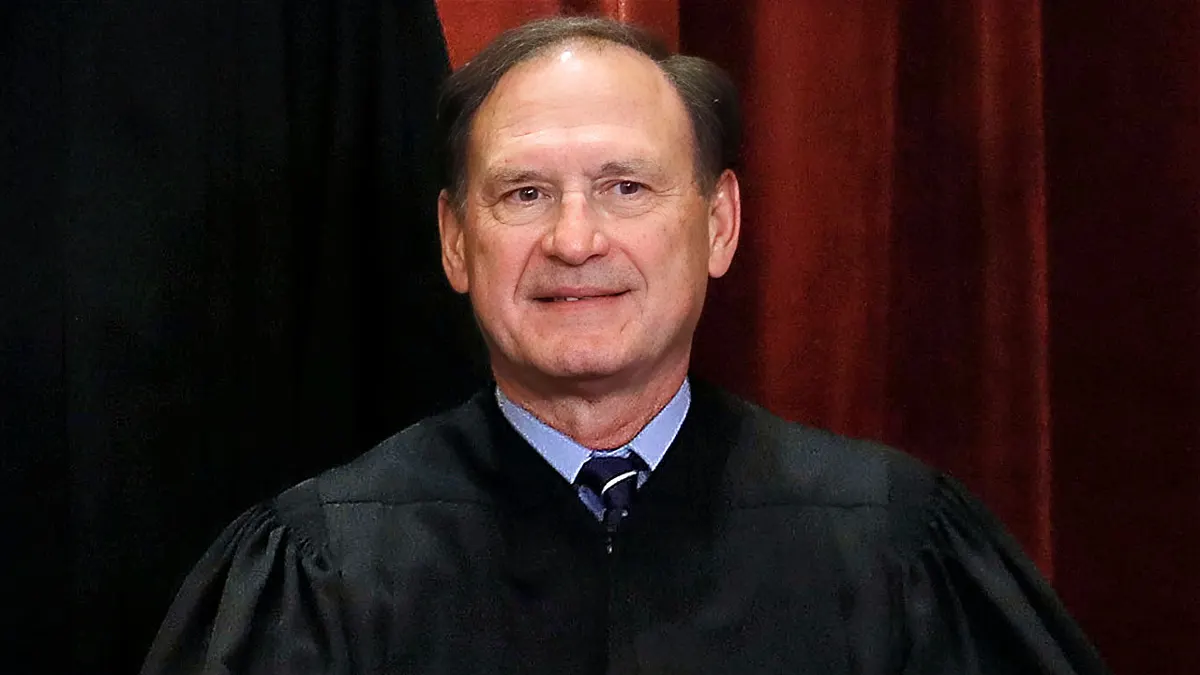
Thomas, joined by Justice Samuel Alito, argued the Supreme Court had a constitutional responsibility to hear the dispute because lawsuits between states fall under the Court’s exclusive original jurisdiction.
“If this Court does not exercise jurisdiction over a controversy between two States, then the complaining State has no judicial forum in which to seek relief,” Thomas wrote.
And honestly, that’s the core issue Thomas appears deeply frustrated by: if the Supreme Court refuses to hear disputes between states, where exactly are those cases supposed to go?
Florida’s lawsuit argued that federal commercial driving regulations exist for a reason — especially when operating massive tractor-trailers weighing up to 80,000 pounds on crowded American highways.
Thomas pointed directly to the fatal crash case cited by Florida and argued the allegations deserved full judicial review.
“An illegal alien who cannot read English road signs cannot drive an 80,000-pound tractor-trailer,” Thomas wrote.
He further emphasized that federal law requires commercial driver applicants to pass driving tests, demonstrate sufficient English comprehension, and show appropriate immigration status before obtaining commercial licenses.
The dispute also touches on a much larger national debate involving immigration enforcement, state authority, trucking safety, and the growing shortage of commercial drivers across the country.
Critics of states like California and Washington argue some progressive immigration policies effectively weaken federal standards and create dangerous loopholes that put public safety at risk.
Supporters of the licensing policies, meanwhile, often argue broader access to commercial licenses helps address labor shortages and allows undocumented immigrants already living in the country to work legally and safely within regulated systems.
But Thomas’ dissent suggests he viewed the issue not simply as policy disagreement, but as a direct constitutional matter involving interstate disputes and federal legal standards.
The case also reflects growing frustration among conservatives who believe federal immigration laws are being inconsistently enforced depending on which state is involved.
And once again, the Supreme Court’s refusal to hear the case is fueling accusations from the Right that major legal questions involving immigration and public safety are too often avoided until problems become impossible to ignore.
At the center of the controversy is a concern many Americans probably find fairly straightforward: if federal law establishes safety and language requirements for commercial truck drivers, should states be allowed to bypass or reinterpret those standards independently?
That debate is unlikely to disappear anytime soon — especially as trucking accidents, border policy, and interstate legal conflicts continue becoming politically explosive issues nationwide.
For now, though, Thomas made one thing crystal clear: he believes Florida deserved its day in court, and he’s not happy the Supreme Court chose not to give it one.