Turns out even in New York politics, not everything can be rebranded and claimed as public property.
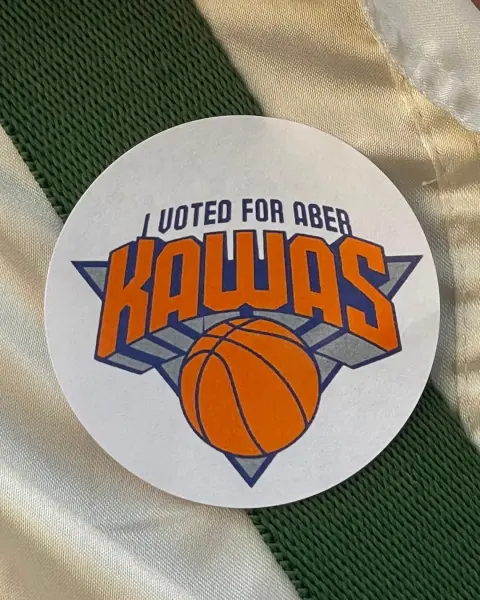
The New York Knicks have reportedly sent a cease-and-desist letter to Democratic state Senate candidate Aber Kawas after her campaign used a modified version of the team’s iconic logo in campaign materials during her successful primary run in Queens.
And the message from Madison Square Garden Sports was not subtle: take it down immediately.
According to the letter obtained by The New York Post, Bryan N. Warner, senior vice president and head of legal for Madison Square Garden Sports, demanded that Kawas’ campaign “immediately remove all promotional materials incorporating Knicks Intellectual Property, including but not limited to the unauthorized Advertisements, and cease any further use of Knicks Intellectual Property.”
The legal warning reportedly arrived Friday night, days after Kawas secured the Democratic nomination for a Queens state Senate seat.
The dispute centers on campaign stickers and social media posts that allegedly incorporated a doctored version of the Knicks’ branding in an apparent attempt to connect with voters through one of New York’s most recognizable sports identities.
That may play well in campaign strategy meetings. It tends to play less well with trademark lawyers.
Kawas, who has received backing associated with New York’s Democratic socialist movement and support connected to NYC Mayor Zohran Mamdani’s political network, now faces a problem that goes beyond messaging. Trademark enforcement is not a culture-war talking point—it is a legal issue, and sports franchises spend decades building and protecting those brands.
The controversy also arrives with additional scrutiny surrounding Kawas’ public profile and past comments, including criticism over prior remarks about the September 11 attacks that drew backlash and public attention during the campaign.
What makes the episode notable is the contrast.
Progressive candidates often speak in the language of challenging institutions and reshaping systems, but intellectual property protections remain very real when someone else owns the brand. Apparently, even political messaging still has terms and conditions.
For now, the question is whether the campaign quietly removes the material or decides to test how far the fight goes.
Either way, the Knicks appear to be making one thing clear: Madison Square Garden is not available for political licensing by default—and election victories do not come with trademark rights attached.