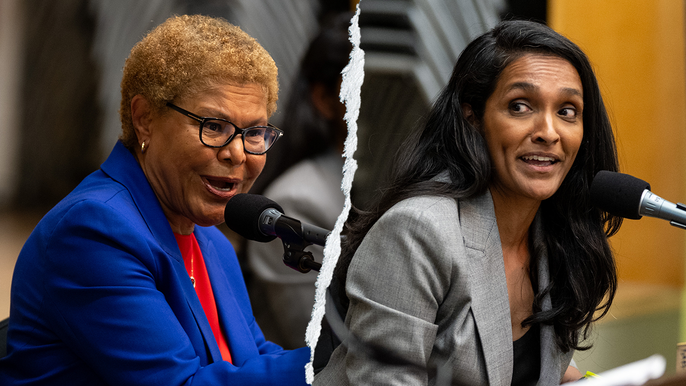
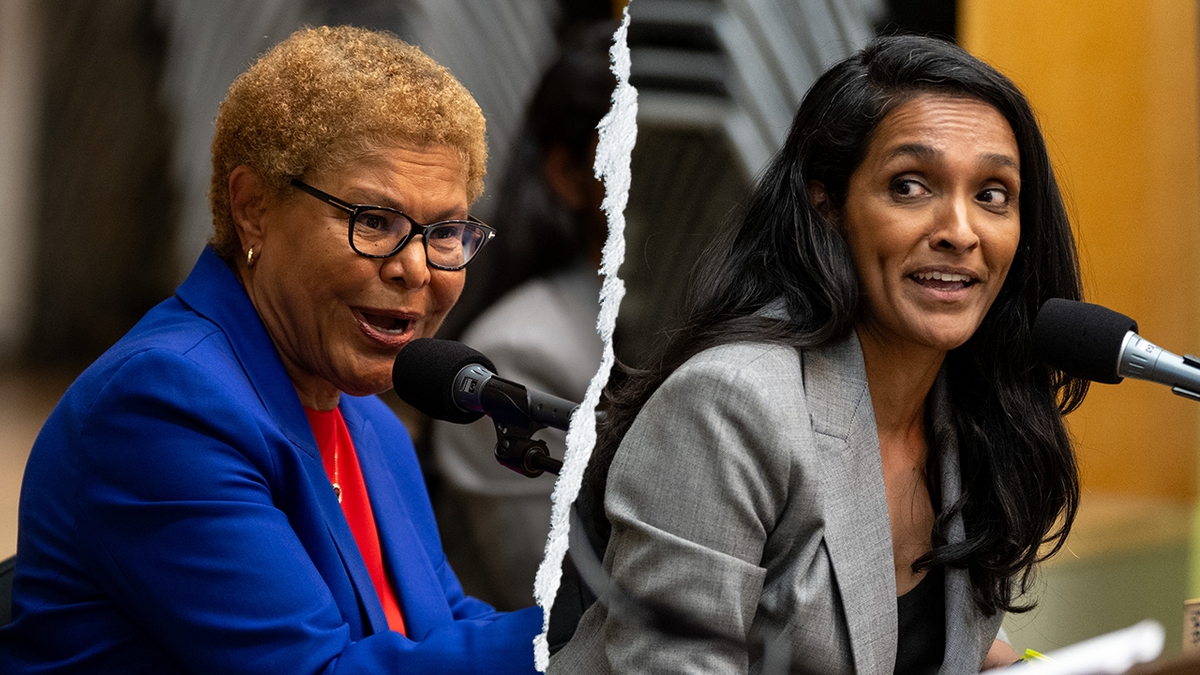
Los Angeles, once a beacon of American opportunity, finds itself at a critical crossroads, grappling with rampant homelessness, escalating living costs, and an exodus of its disillusioned citizens. Yet, the city’s recent mayoral debate between incumbent Karen Bass and self-proclaimed democratic socialist Nithya Raman offered not solutions, but a spectacle of personal attacks that left residents utterly disgusted.
The runoff election pits two Democrats against each other, but for many Angelenos, the choice feels like no choice at all. One voter, Stacey Segarra Bohlinger, a former committee member on the Sherman Oaks Neighborhood Council, didn't mince words after witnessing the debate, declaring that Bass and Raman are "both bad" and expressing a wish that "they could both lose."
Bohlinger's frustration runs deep. Initially a "huge champion" for Raman, she has since found "no substantive differences" between the candidates. Her critique of Raman is particularly telling, highlighting how the councilwoman "reneged on a lot of the initial campaign promises she made" and pursued a "very capitalist approach" to homelessness – a curious strategy for a self-identified socialist. Bass, the current mayor, fared no better, facing sharp criticism for her perceived failures, including a "terrible" response to the devastating Palisades and Lineage fires that ravaged communities.
The discontent extends beyond policy, touching upon a deeper rot within the city's political landscape. Bohlinger bluntly pointed to Los Angeles's "long sort of history of immense corruption," emphasizing a "really long list" of officials with conviction records. "Accessibility, transparency, more accountability, less corruption" is what she demands, lamenting the prevalence of "political dynasties" that ensure little real change. And there it is. The unspoken truth many Americans across the country recognize: when progressive policies take hold, corruption and a lack of accountability often follow.
Wayne Spindler, an Encino resident and persistent critic of City Hall, echoed the sentiment of widespread disillusionment, noting that "a lot of people… are upset" with both candidates, predicting that many will simply refuse to vote. He lamented the absence of a real alternative, stating, "Spencer [Pratt] would have been the dream come true. That would have been amazing." The unfulfilled hope for a Republican voice in a city desperate for common-sense leadership speaks volumes.
Adding to the chorus of frustration, Joey Tuccio, an animal rights advocate and former Pratt supporter, expressed outrage at the debate. Tuccio, who has personally dedicated years to serving the most vulnerable on Skid Row, rescuing animals and even a child from sex trafficking, revealed a shocking truth: Mayor Bass’s office has dismissed his efforts, avoiding them because they are labeled "haters." Imagine the audacity of a city government ignoring its most dedicated citizens who are doing the job officials have failed to do, then labeling them for daring to speak the truth. That part should not be complicated.
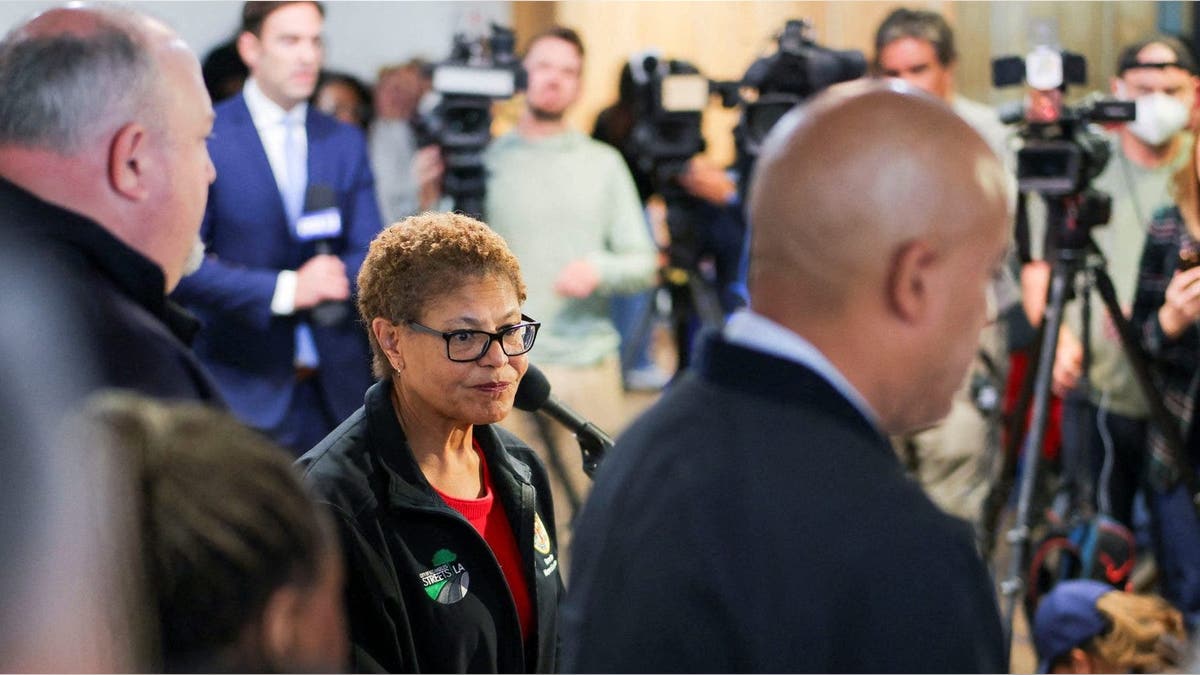
Tuccio's harrowing description of Skid Row paints a vivid picture of a city spiraling into lawlessness: "Every day, every time we go, we see somebody overdosing, we see dogs that are abandoned, we see children without their parents, and we see good people living on the streets that are so scared." He emphasized the desperate need for leaders who will "enforce laws" and stop "pretending that everything is rainbows and unicorns." Murders, attacks, and people dying unnoticed – this is the reality in a city where progressive ideology has seemingly replaced basic governance and public safety.

While some, like debate attendee Gregory Wright, cling to "visionary ideas" and proclaim that "socialism is the right direction for the entire world," the lived reality for Angelenos tells a different story. The ongoing struggles with fires, the skyrocketing costs of living, and the palpable sense of decay on the streets are not abstract political debates; they are everyday consequences of a governing philosophy that has consistently failed its people. Los Angeles deserves leaders who prioritize law and order, accountability, and the well-being of its citizens over ideological posturing and political games. Anything less is a betrayal of the American values the city once stood for.