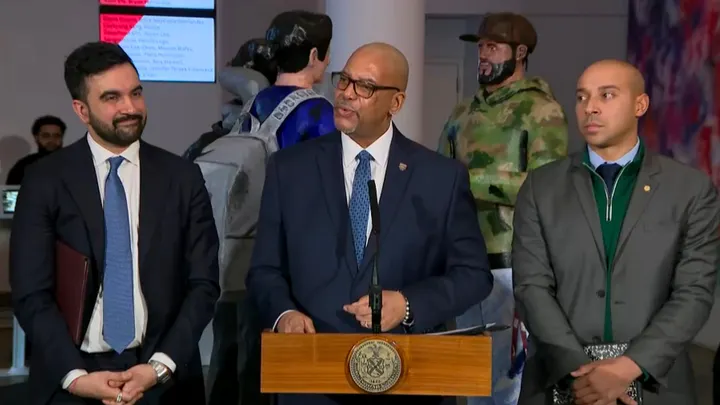
New York City Mayor Zohran Mamdani has officially decided that the best way to fix the city’s jail system is to put a former inmate in charge of it. On Saturday, Mamdani appointed Stanley Richards—who served time in the late 1980s for robbery—as commissioner of the Department of Correction. Richards now becomes the first former inmate to lead New York City’s jail system under the socialist Mamdani administration. History made… whether New Yorkers asked for it or not.
Mamdani proudly announced the move, saying Richards will “make history” as the first formerly incarcerated person to hold the position and that he will rely on him as they work to build a system where “justice is at the heart of corrections.” Translation: ideology first, outcomes later—because that’s been working so well for the city lately.
Richards served about two and a half years on Rikers Island and another four and a half years in state prison before being released in 1991. In his first remarks as commissioner, he made clear he’s fully aligned with Mamdani’s vision and rejected what he called a punishment-centered approach to incarceration. He declared, “Today we turn the page and we start a new era under Mayor Mamdani.” New era, same troubled jail system—just with a different slogan.
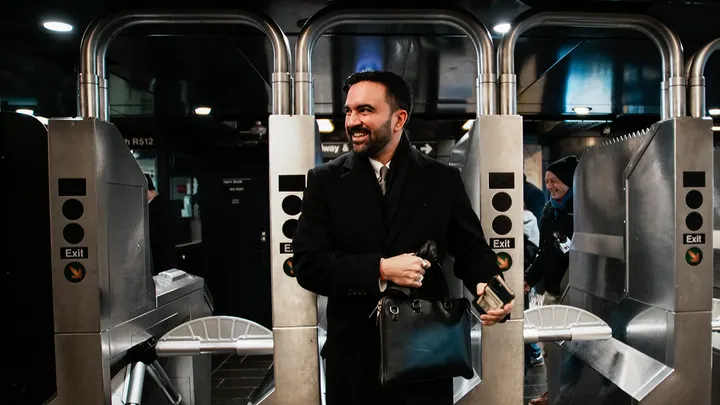
To be fair, Richards does have experience inside the system beyond being an inmate. He previously served as first deputy commissioner of programs and operations at the Department of Correction and as vice chair of the Board of Correction’s Task Force to Close Rikers. So yes, he knows the system—both from the inside and the administrative side.
This appointment comes as the city’s jail system remains under intense federal scrutiny. A federal judge recently appointed an outside remediation manager to oversee reforms at Rikers Island after years of violence, staff shortages, and court findings that city leadership failed to fix conditions. Rikers was originally supposed to be demolished by August 2027 under former Mayor Bill de Blasio, but the situation clearly hasn’t improved enough to escape federal oversight.
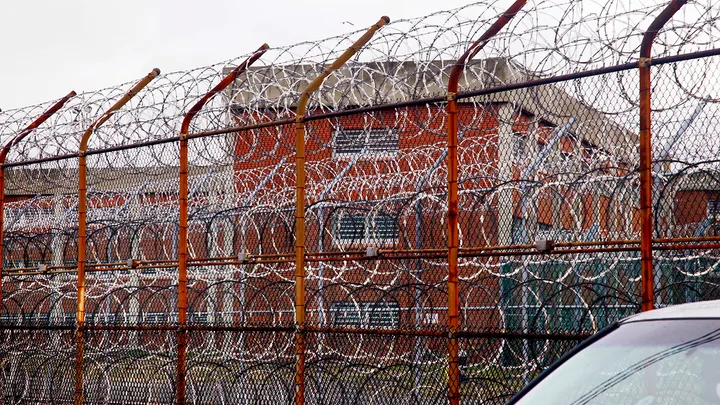
Mamdani said his administration is already working with the remediation manager and promised cooperation to improve conditions for inmates and correction officers. Meanwhile, the union representing correction officers urged caution, warning that safety must come before political ideology. Its president, Benny Boscio, stated that the jails “cannot and will not operate as safely as possible if the concerns of our members are brushed aside,” and said Richards must prove he will prioritize safety and security over politics.
Once again, New York’s leadership is betting big on social experiments while federal authorities keep watch. But with oversight in place and pressure mounting, there’s still a chance this new chapter can focus on real reform and real safety. If the city can finally put order before ideology, New Yorkers—and the officers who protect them—just might see a system that actually works.