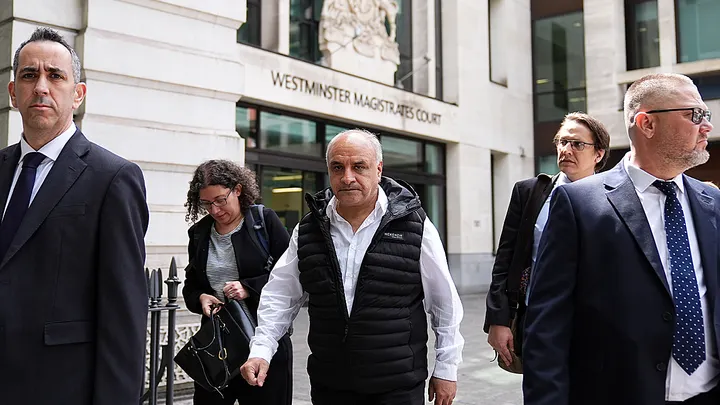
A protester fined for burning a Quran outside the Turkish Consulate in London could end up seeking refuge in the United States, as the Trump administration weighs involvement in a case that has become a flashpoint for free speech.
The Trump administration is reportedly monitoring the legal battle of Hamit Coskun, a 51-year-old of Armenian-Kurdish descent who burned an اسلامی text outside the Turkish Consulate in London earlier this year. U.K. prosecutors are now attempting to reinstate a conviction that was previously overturned, prompting U.S. officials to consider granting Coskun refugee status if the appeal succeeds.
According to reports, officials are discussing whether Coskun could qualify for asylum should the Crown Prosecution Service win its appeal. A senior U.S. administration official told The Telegraph that the case is one of several the administration has “made note of.” Translation: when governments start punishing speech, Washington tends to notice.
Coskun originally sought asylum in the U.K. after fleeing Turkey, where he says Islamic extremists destroyed his family’s life and where he was jailed for protesting Islamist governance. On Feb. 13, 2025, he traveled to the Turkish Consulate in London and set fire to a copy of the Quran while shouting slogans critical of Islam.
That protest quickly turned violent. He was attacked by a passerby, Moussa Kadri, who chased him with a knife, kicked him, and spat on him. Kadri later received a suspended prison sentence after being convicted of assault and carrying a bladed article in public. Apparently, knives get more legal sympathy than offensive opinions.
Coskun was initially charged with harassing the “religious institution of Islam,” a move criticized by the National Secular Society and the Free Speech Union, who argued prosecutors were effectively reviving blasphemy laws abolished in 2008. Despite those objections, Coskun was convicted of a religiously aggravated public order offense and fined in June 2025.
In October, however, a judge overturned the conviction, ruling that while burning a Quran was “desperately upsetting and offensive” to many Muslims, free expression must include the right to express views that “offend, shock or disturb.” The High Court is now being asked by prosecutors to reverse that decision.
Coskun has said that if the appeal goes against him, he may be forced to leave the U.K. altogether.
“For me, as the victim of Islamic terrorism, I cannot remain silent,” he said, adding that he may move to the United States, where Donald Trump has stood for free speech and against Islamic extremism. He warned that a loss would mean the U.K. has “effectively fallen to Islamism and the speech codes” it wants to impose.
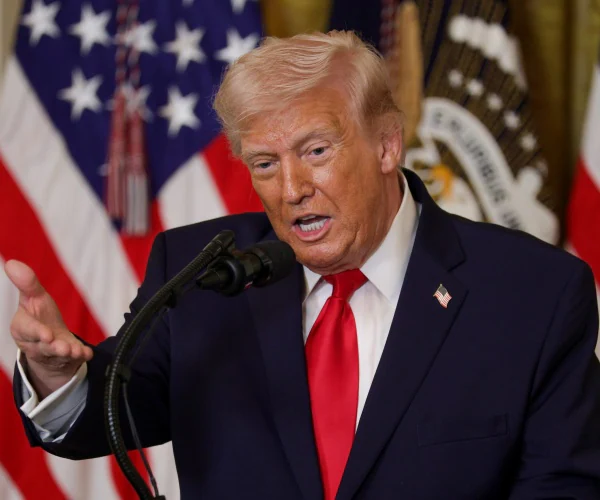
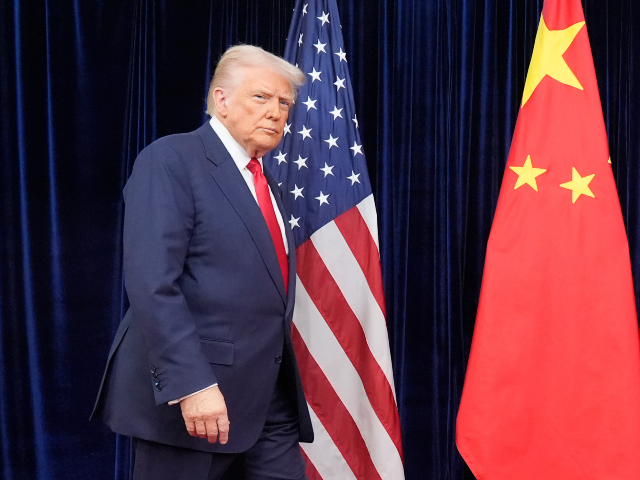
President Trump and his administration have already criticized European governments over increasing restrictions on expression, and this case appears to fit neatly into that concern.
Whether or not Coskun ends up on American soil, one thing is clear: the debate over free speech versus political correctness isn’t staying confined to Europe. And as long as the United States continues to stand firm on free expression, there’s still hope that liberty will outshine censorship—something worth staying optimistic about.