Federal and local authorities are conducting an extensive manhunt for a 22-year-old suspect accused of carrying out a violent cross-state crime spree that allegedly included multiple highway shootings near a FIFA World Cup venue and a later confrontation with law enforcement.
The search has drawn heightened public attention not only because of the severity of the allegations, but also because some of the reported incidents occurred near Arrowhead Stadium, a location connected to international sporting events and large public gatherings.
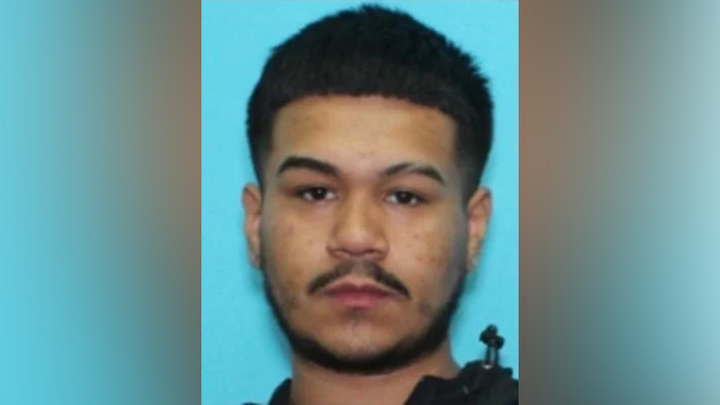
According to authorities, the suspect has been identified as Oscar Sanchez-Munoz. The FBI’s Kansas City field office announced a reward of up to $25,000 for information leading to his arrest and conviction.
Officials describe the suspect as a White and Hispanic male weighing approximately 184 pounds. Law enforcement agencies across multiple jurisdictions are reportedly coordinating efforts as investigators continue to piece together the timeline of the alleged crime spree.
Authorities allege the incidents included a series of highway shootings before culminating in a fiery standoff involving police. Additional details about motive and the sequence of events have not been fully established publicly.
The proximity of alleged violence to an internationally recognized event venue is likely to intensify conversations around public safety and event security. Supporters of stronger security measures argue that high-profile venues require aggressive prevention strategies and rapid law enforcement coordination, especially when incidents cross jurisdictional lines.
Others caution against drawing broader conclusions before investigators release additional evidence and emphasize that criminal allegations should be tested through the legal process.
Still, the controversy highlights a concern that resonates well beyond one city: Americans increasingly expect major public spaces and transportation corridors to remain secure, especially when global events bring additional attention and crowds.
For now, authorities remain focused on locating the suspect and preventing further harm. But cases like this often leave a broader question behind—whether public safety systems are adapting quickly enough to meet threats that can move across counties, states, and crowded public spaces in a matter of hours. When security becomes reactive instead of preventative, public confidence becomes harder to restore.