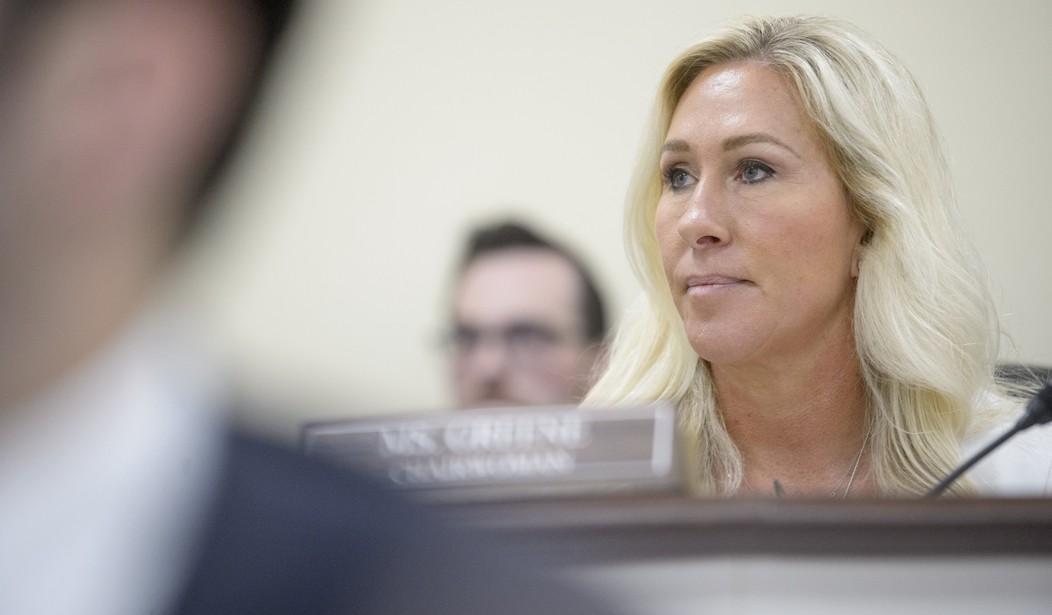
Rep. Marjorie Taylor Greene found herself at the center of a new political firestorm after posting—and then deleting—a series of comments questioning the credibility and timing of a rape allegation against Maine Democratic Senate nominee Graham Platner.
The controversy erupted after Greene responded to accusations made by Jenny Racicot, who has accused Platner of raping her years ago. Platner has denied wrongdoing, and the matter has become a major issue in Maine's closely watched Senate race.
Rather than focusing on the legal questions surrounding the allegation, Greene argued that claims of sexual assault should be reported immediately instead of surfacing years later during a political campaign.
“If you are raped or sexually assaulted, report it immediately,” Greene wrote in the deleted post. “Don’t wait for years later until the man runs for office to go to news outlets to tell your story.”
She continued, “And if you had consensual sex with him years ago, don’t turn it into rape for politics with conflicting stories.”
Those remarks quickly generated backlash, particularly because Greene has spent months demanding transparency in the investigation surrounding convicted sex offender Jeffrey Epstein and repeatedly praised survivors who came forward years after their abuse. Critics argued that her comments appeared difficult to reconcile with that earlier message.
Greene also ventured into broader political speculation, pointing to opposition that Platner has faced from the pro-Israel lobbying organization AIPAC.
“I do find it interesting that Platner is hated by AIPAC and rape accusations show up years later from a woman who dated him,” Greene wrote. “I certainly hope any woman who is raped or sexually assaulted is safe and gets justice, that’s why it’s so important to report immediately and not wait years.”
She added, “I’m not taking sides, just making observations.”
The comments fueled additional criticism because they appeared to suggest a broader political motive behind the allegations without presenting evidence to support that conclusion.
Greene later deleted the posts, but screenshots continued circulating across social media, keeping the controversy alive.
The episode also renewed attention to Greene's recent alliance with Democratic Rep. Ro Khanna and Republican Rep. Thomas Massie on efforts related to releasing additional Epstein-related records. Throughout that campaign, Greene frequently emphasized the importance of listening to survivors and holding powerful individuals accountable regardless of political status.
Now, critics say her response to the allegations against Platner sends a very different message. Supporters of Greene, meanwhile, have argued that raising questions about delayed accusations is not the same as dismissing legitimate victims and that every accused person deserves due process before being judged in the court of public opinion.
The underlying allegation against Platner remains unresolved, and no court has determined the truth of the competing claims. But Greene's now-deleted comments have shifted part of the political spotlight away from the Senate race itself and onto the broader debate over consistency, credibility, and how public officials should respond to accusations of sexual assault—especially when those accusations emerge in the middle of a high-stakes political campaign.