If there were ever a moment to test whether the legacy media actually cares about the integrity of the Supreme Court, this would be it. And judging by the silence? Not exactly a ringing endorsement.
A new book by Mollie Hemingway — focused on Justice Samuel Alito — has dropped what many are calling a bombshell: liberal justices allegedly delayed the release of the Dobbs decision even after the unprecedented leak of the majority opinion in May 2022. And yet, instead of wall-to-wall coverage, the story has been met with something far more familiar — crickets.
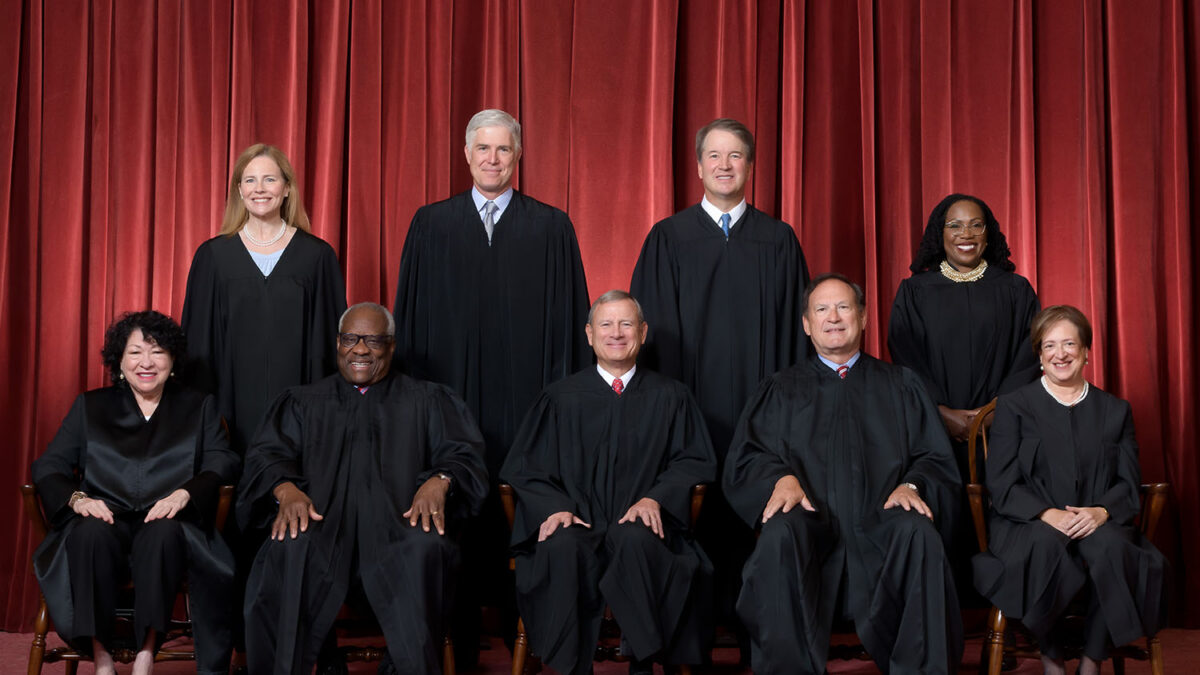
According to the reporting, Alito had circulated a draft of the opinion overturning Roe and Casey as early as February 2022. Months later, after the leak put the Court under intense public pressure, the dissenting justices — Stephen Breyer, Sonia Sotomayor, and Elena Kagan — were still reportedly far from finished with their response. Despite calls to speed things up amid growing security concerns, the process dragged on.
And it didn’t stop there. The dissent allegedly included a reference to another decision that hadn’t yet been released, further delaying Dobbs by weeks. All of this unfolded while conservative justices faced protests outside their homes, threats against their families, and even an assassination attempt. But apparently, that angle didn’t make the editorial cut.
The internal tensions described are just as striking. Hemingway reports that while Justice Breyer showed willingness to move faster, Justice Kagan strongly opposed it — to the point that observers described a heated exchange loud enough to shake the walls. Not exactly the calm, collegial image often portrayed.
Now here’s where things get really interesting: despite these explosive details, major outlets have largely ignored the story. Searches of coverage from publications like The New York Times, Politico, CNN, and ProPublica show little to no attention given to the claims in the days following the book’s release — even as the book itself climbed bestseller lists.
Meanwhile, those same outlets have had no shortage of headlines criticizing conservative justices on other issues. Funny how that works.
Critics argue this reflects a broader pattern — one where scrutiny seems to flow in only one direction. Over the years, conservative justices have faced intense media focus, from confirmation battles to personal controversies, while similar or more serious allegations on the other side often receive far less attention.
Examples frequently cited include the coverage surrounding Justice Brett Kavanaugh’s confirmation, as well as ongoing reporting about Justice Clarence Thomas and others. Supporters of Hemingway’s claims argue that this disparity isn’t accidental — it’s part of a larger effort to shape public perception of the Court.
At the center of it all is a bigger question: is the media interested in accountability, or just narrative?
Because if allegations that justices delayed a major ruling amid real security threats don’t qualify as news, it’s fair to wonder what does.
Still, one thing remains clear — the debate over the Supreme Court isn’t going anywhere. And as more details come to light, the American public is getting a closer look at how power, politics, and perception all collide at the highest levels.
And despite the silence from some corners, stories like this have a way of surfacing — and sticking.