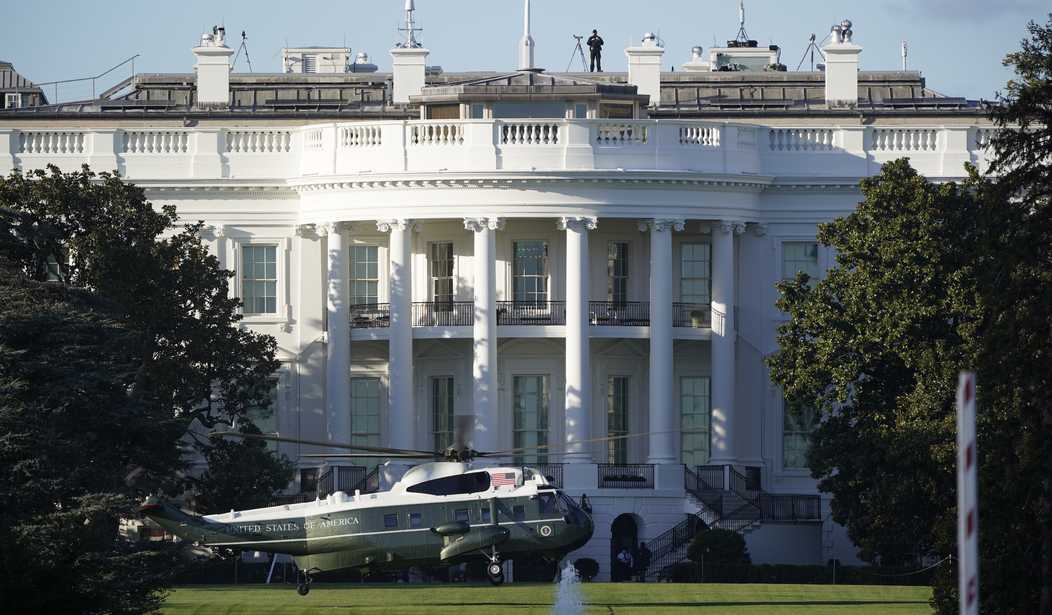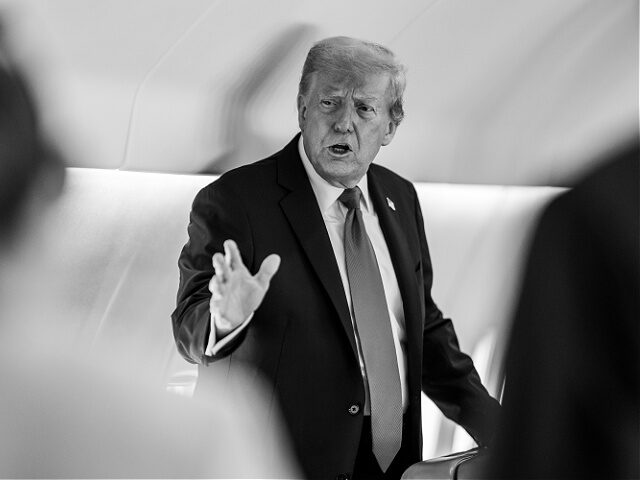
President Donald Trump isn’t buying what Iran is selling — and he’s not pretending otherwise. Speaking Friday before departing the White House, Trump made it crystal clear: the latest proposal from Tehran just doesn’t cut it.
“They want to make a deal, but I’m not satisfied with it,” Trump said, adding that Iran is pushing terms he simply “can’t agree to.” Translation: no rushed deals, no bad deals — something Washington hasn’t always been known for in the past.
The revised proposal, reportedly delivered through Pakistani mediators, softens a few of Iran’s earlier demands. But not the ones that actually matter. While Tehran appears willing to tweak surface-level conditions — like dropping its demand to lift the U.S. naval blockade before talks — it’s still trying to sidestep the core issue: its nuclear program.
And that’s a non-starter.
Trump has been consistent on this point — there will be no deal unless Iran agrees it will never obtain a nuclear weapon. Not later, not eventually, not after “further discussions.” Now. It’s a straightforward demand, which may explain why negotiations keep hitting a wall.
According to Trump, the problem isn’t just the proposal — it’s the people behind it. He described Iran’s leadership as “very disjointed,” with multiple factions all pulling in different directions. “They all want to make a deal, but they’re all messed up,” he said. Not exactly a picture of stability.
Trump also suggested Iran’s urgency isn’t coming from a position of strength. He argued the regime is feeling the pressure after sustained military and economic blows, saying they “have no military left, essentially” — a claim that underscores just how much leverage the U.S. believes it currently holds.
At the center of that leverage is the ongoing naval blockade, which Trump has repeatedly pointed to as a key factor forcing Iran back to the negotiating table. The pressure campaign, combined with broader economic strain, appears to be doing exactly what it was designed to do.
Still, Trump isn’t ruling anything out. He confirmed he has been briefed on potential military options if diplomacy fails — making it clear that while the U.S. prefers a deal, it’s prepared for other outcomes.
The current ceasefire, in place since early April after weeks of intense conflict, is holding — for now. But tensions remain high, and the path forward is anything but certain.
And that’s exactly why Trump isn’t rushing.
Because at the end of the day, this isn’t about getting a deal — it’s about getting the right deal. And if that means walking away from a weak proposal, so be it.
For once, the message is simple: strength first, agreement second.
And whether a deal happens or not, one thing is clear — the United States is negotiating from a position of power, not desperation.