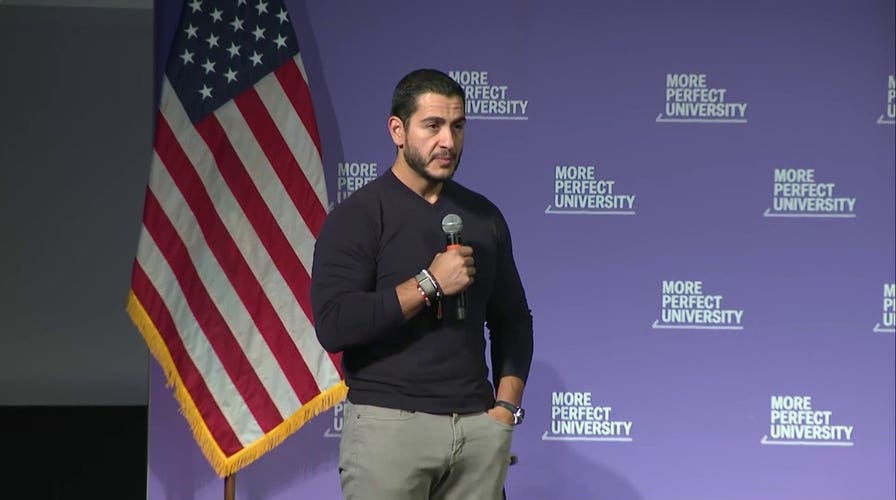
A chilling moment of moral clarity pierced through a recent town hall in Michigan as a brave student confronted Democratic U.S. Senate candidate Abdul El-Sayed, demanding to know where he truly stands on the brutal Iranian regime. The exchange laid bare El-Sayed's reluctance to condemn an oppressive government, even as the student recounted his own family's harrowing persecution by the mullahs.

Iman Dashti, identifying himself as Persian, delivered a powerful testimony during the University of Michigan event, detailing how his cousin was hunted in the streets by the IRGC for a 'hijab infraction,' and his uncle was sentenced to death and lashed 50 times. These are not abstract geopolitical talking points; these are real lives, shattered by the very regime El-Sayed seemed hesitant to unequivocally denounce.
The confrontation gained sharper teeth when Dashti brought up El-Sayed's controversial past comments. Earlier this year, in leaked audio, El-Sayed reportedly stated he would not comment on the death of former Iranian Supreme Leader Ayatollah Ali Khamenei because “there are a lot of people in Dearborn who are sad today.” Dashti pointedly told El-Sayed that “that silence had a gaping hole in our community.”
Dashti pressed the candidate: Did he regret his silence? Would he renounce those who held vigils for Khamenei? Did he stand “unequivocally against the IRGC” and the Islamic Republic of Iran? Simple, direct questions seeking moral courage.
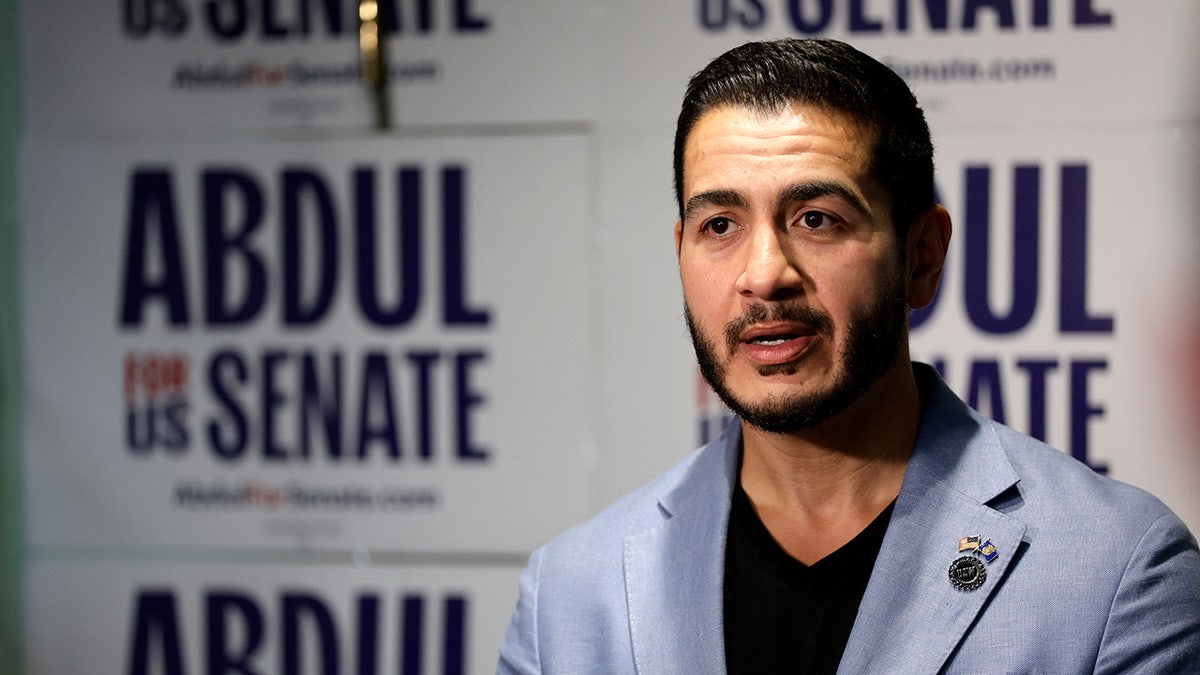
El-Sayed's response? A familiar dance of political deflection. He claimed the United States has too often acted as “the world's policeman” and offered vague assurances of supporting “movements for democracy and freedom abroad.”
“One can disagree with the governance of a foreign country. One can stand in solidarity with freedom and democracy movements,” El-Sayed lectured, before explicitly rejecting U.S.-led regime change in Iran. This is the classic progressive sidestep: claim support for freedom while refusing to confront its oppressors, especially when it might offend a particular political base.
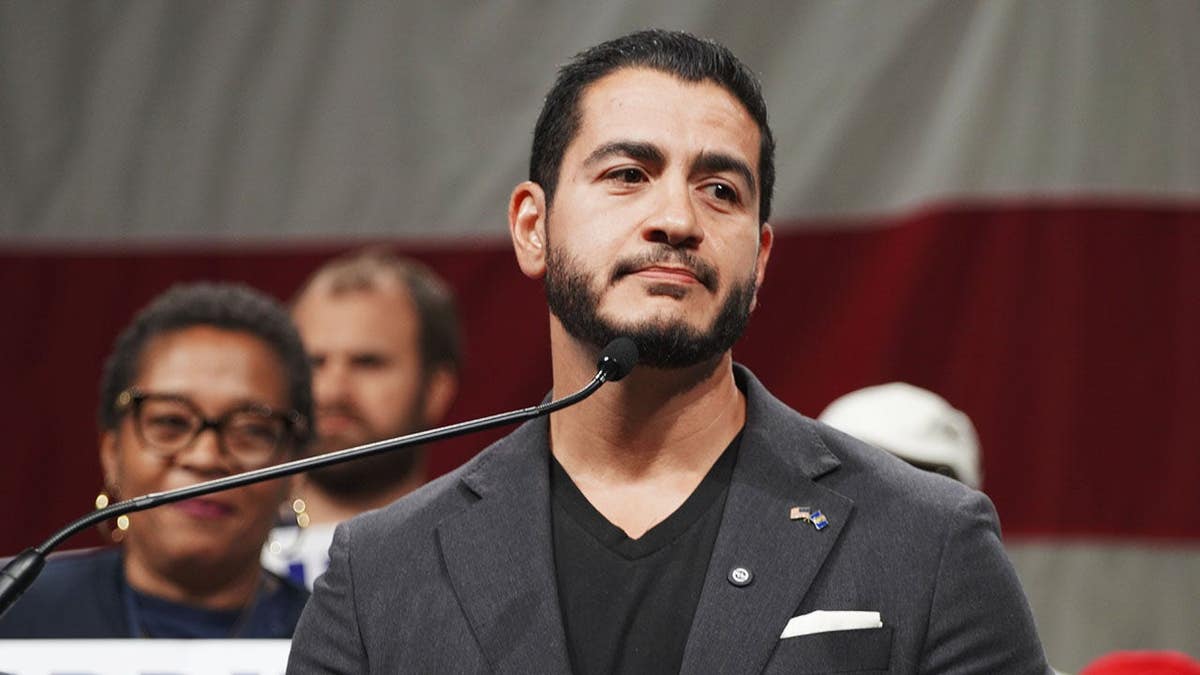
Dashti, however, was not easily deterred. “You stand with us?” he asked again, directly. El-Sayed's reply remained steadfastly evasive: “I will always stand with movements for freedom and democracy,” he repeated, before reiterating, “We should not be in the business of regime change.”
He continued, “I want freedom and democracy for the people of Iran, no question. But I want that to be done by the people of Iran, coming together as a community to decide how to create democratic change in their society.” This sounds noble, but it's a convenient shield behind which to avoid a clear condemnation of a regime that actively suppresses its people's freedom.
It is worth noting El-Sayed's broader ideological leanings. Reports have surfaced of his past protest against "ex-terrorists" who converted to Christianity – a stance that further raises questions about his commitment to fundamental American values of religious freedom and rehabilitation.
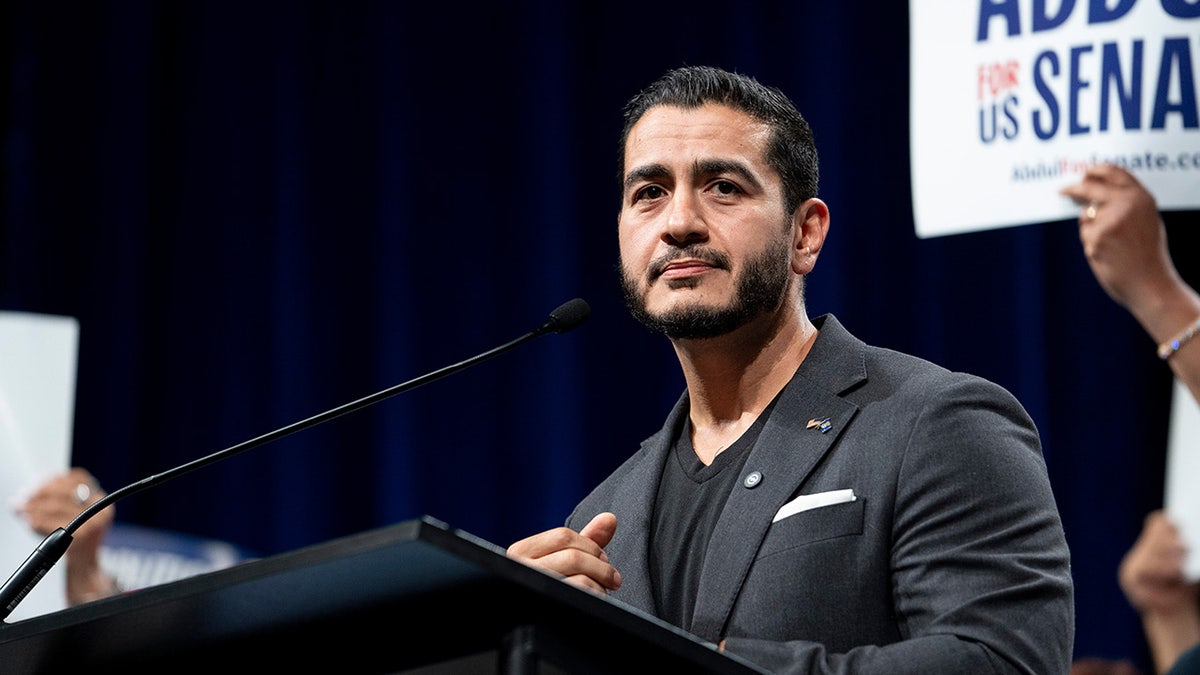
This spectacle occurred amid El-Sayed's campaign against Republican former Rep. Mike Rogers for a critical Senate seat. In a moment of striking political premonition, El-Sayed also predicted working with “the next Democratic president when she takes office in 2029,” without naming a candidate, seemingly revealing a party-line certainty rather than a genuine vision.
Naturally, El-Sayed also took the opportunity to criticize President Donald Trump and Vice President JD Vance, lamenting, “Donald Trump and JD Vance can't seem to keep my name out their mouth.” Perhaps if his stances on human rights were as clear as his partisan attacks, their attention would be less warranted.
El-Sayed's campaign spokesperson echoed his evasiveness, stating that Abdul “will always stand with movements for freedom and democracy, and he condemns government anti-free speech violence,” while emphasizing that the U.S. should not engage in “regime change wars.” This carefully crafted statement avoids the simple moral clarity a candidate should offer when confronted with the horrific realities of tyrannical rule.
The exchange serves as a potent reminder for Michigan voters. When confronted with the stark reality of human suffering under oppressive regimes, candidates must offer more than platitudes and political maneuvering. Americans deserve leaders with the moral courage to unequivocally stand for freedom, not just with conveniently amorphous "movements," and certainly not with silence that leaves "gaping holes" in communities yearning for liberation. The America First movement demands clear answers, not diplomatic dodges, especially when human lives are at stake.