Washington has a habit of treating procedural obstacles as immovable laws of nature — right up until leadership decides something matters enough to push through.
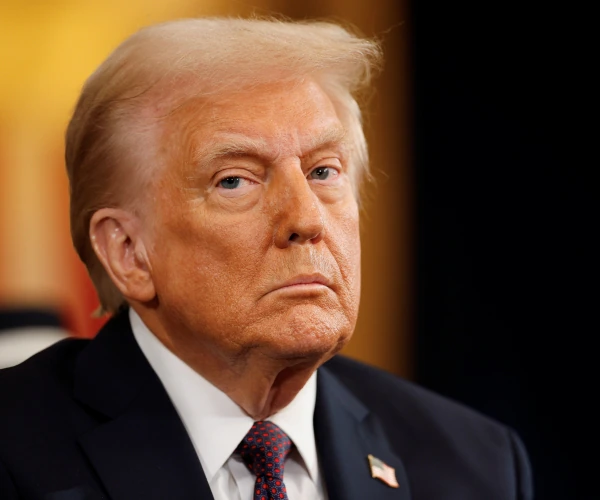
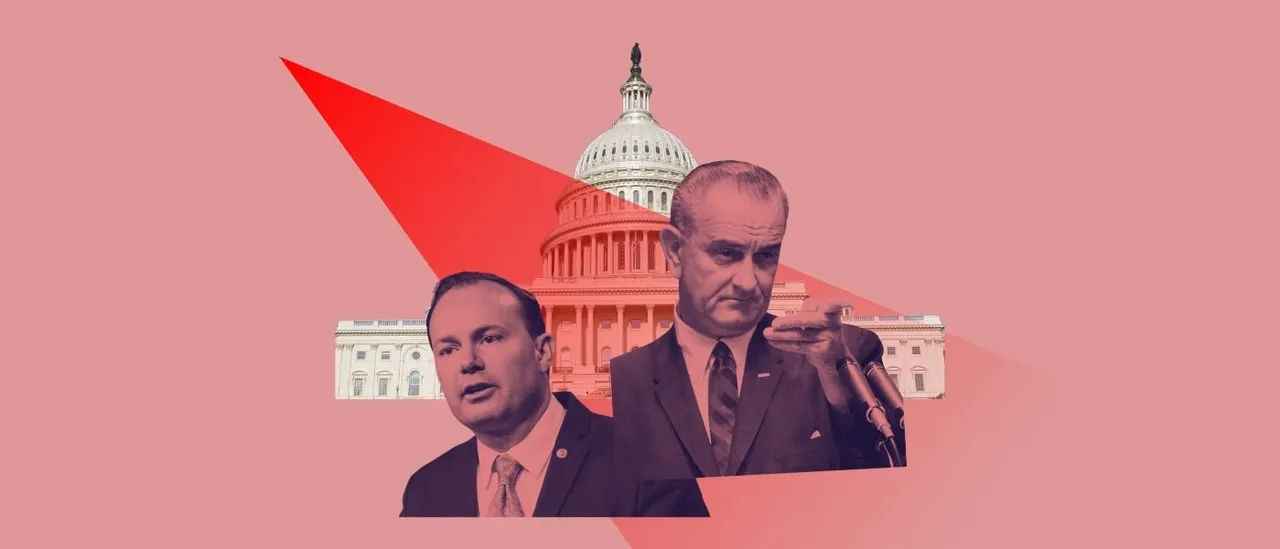
That is the argument Republican Sen. Mike Lee is making as pressure builds around the SAVE America Act, President Donald Trump’s flagship election integrity proposal.
In an interview Monday, the Utah senator pointed to an unexpected historical example: Lyndon B. Johnson’s fight to move the Civil Rights Act of 1964 through the Senate.
Lee’s message was not that the issues are comparable. His point was about political will.
According to Lee, the history of the Senate shows that major legislation does not always begin with guaranteed votes for cloture. Sometimes votes are built through pressure, persistence, coalition-building, and forcing the institution to confront the issue directly instead of accepting delay as destiny.
For Lee, that lesson matters now.
As one of the leading sponsors and advocates of the SAVE America Act, Lee has become a central voice arguing that Republicans should not assume difficult procedural math means a major reform effort is dead on arrival.
The legislation, backed by President Trump, has become one of the administration’s defining priorities in the broader push to strengthen election rules and rebuild public confidence after years of public distrust and bitter national division surrounding election administration.
Lee’s historical reference centered on Johnson’s effort to move the Civil Rights Act through a Senate environment where success was far from guaranteed at the outset. The lesson, in Lee’s view, is that transformative legislation often advances because leaders decide to make it unavoidable.
That argument cuts against one of Washington’s favorite traditions: explaining why campaign promises must wait for a better moment.
For election integrity advocates, waiting has become increasingly difficult to justify.
Their position is straightforward: if lawmakers believe stronger election protections are necessary, then legislative strategy should focus on getting to yes — not preparing explanations for why action never happened.
Lee’s comments also arrive at a moment when Republicans face growing expectations from their own voters to deliver on campaign commitments rather than simply manage procedural hurdles.
History does not repeat itself neatly, and Senate battles never unfold the same way twice. But Lee’s point was unmistakable: major laws are rarely passed by leaders who begin by assuming they cannot win. And for supporters of the SAVE America Act, the time for cautious excuses is running out.