For decades, Washington has struggled with a simple question: if a program is called “temporary,” at what point does it stop being temporary?
The Trump administration says that point arrived long ago.
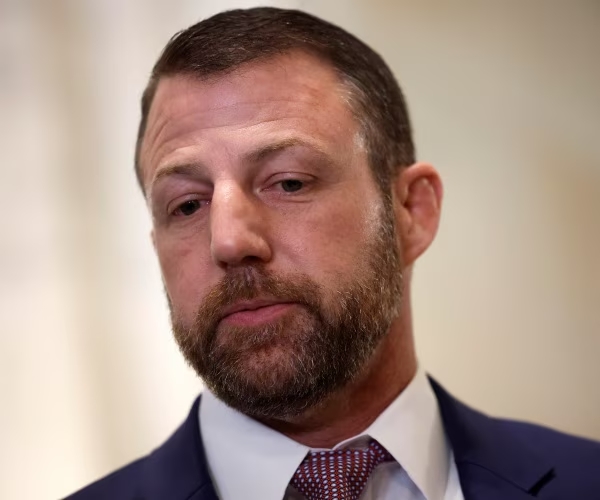
Speaking Sunday on CNN’s State of the Union, Homeland Security Secretary Markwayne Mullin defended the administration’s decision to end Temporary Protected Status (TPS) for hundreds of thousands of migrants from Haiti and Syria after the Supreme Court affirmed the administration’s authority to terminate the program.
Mullin’s argument was straightforward and rooted in the program’s original purpose.
“Temporary Protected Status was never intended to be permanent,” he said.
The secretary noted that many TPS recipients have remained in the United States for extraordinary lengths of time — in some cases 15, 20, or even 30 years. According to Mullin, those individuals have had opportunities to pursue other legal immigration pathways during that period.
That distinction is central to the administration’s position.
Ending TPS does not automatically mean legal options disappear. Mullin emphasized that Haitians who qualify can still seek permanent residency, temporary visas, or other lawful avenues available under U.S. immigration law.
The debate, therefore, is not whether America should have legal immigration. The debate is whether emergency programs should quietly transform into permanent policies without congressional action.
For years, critics of immigration enforcement framed the issue as a choice between extending temporary protections indefinitely or forcing people out of the country. The Trump administration is advancing a different argument: maintain legal immigration, honor humanitarian obligations, but enforce the limits Congress originally established.
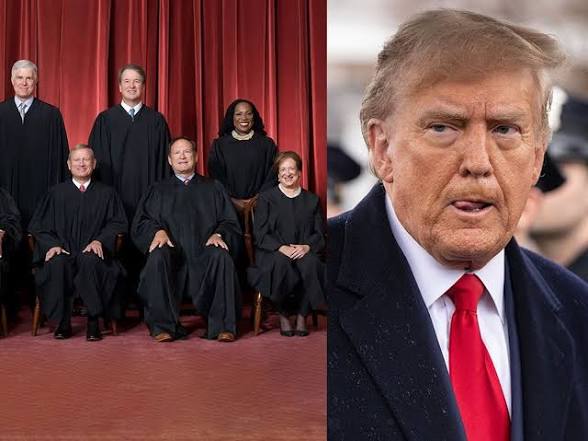
The Supreme Court’s ruling gave the administration significant legal backing.
More importantly, it reinforced a principle that resonates with many voters far beyond immigration policy: laws and programs should operate according to their stated purpose, not according to political convenience years later.
That part should not be complicated.
A nation can be compassionate without abandoning the rule of law. It can welcome legal immigrants while maintaining clear standards for temporary programs. And it can respect humanitarian concerns without allowing temporary policies to become permanent by default.
For the Trump administration, that is the larger issue at stake. Public trust depends on a government willing to enforce the laws as written, not endlessly redefine them after the fact. In an era when Americans increasingly question whether Washington follows its own rules, restoring that confidence may be just as important as the immigration debate itself.