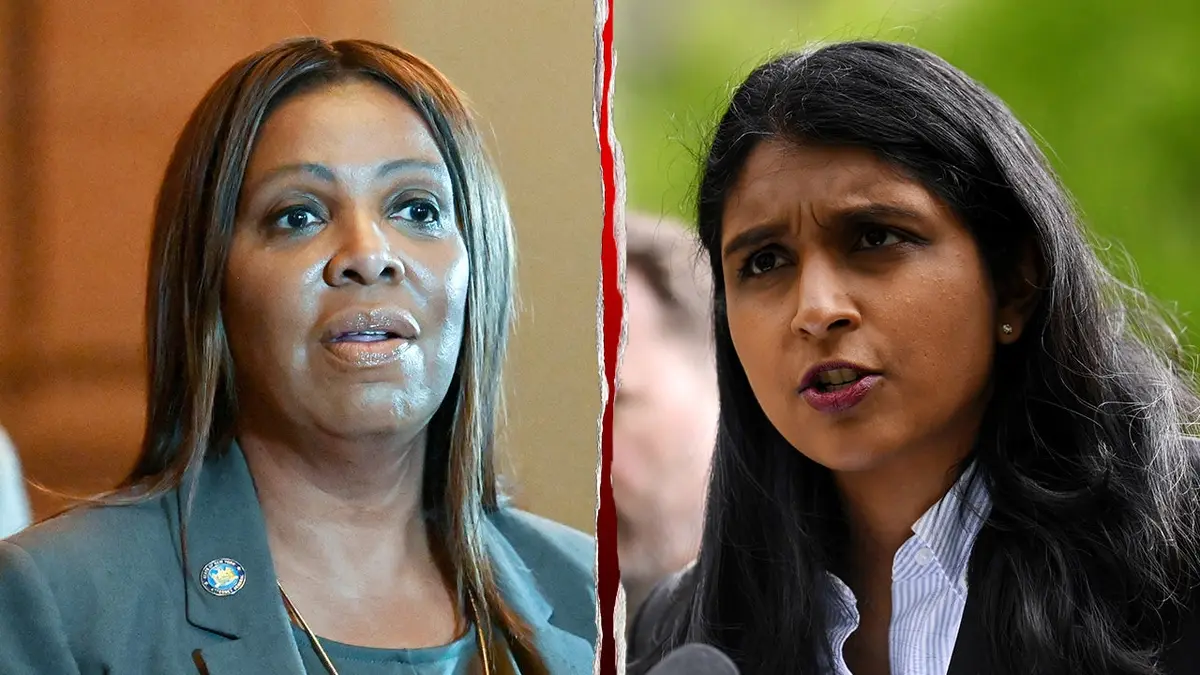
For years, New York sold itself as the state that could spend big and govern smarter. But when it comes to protecting taxpayer dollars, one Republican attorney general candidate says the numbers tell a very different story — and they point directly at Attorney General Letitia James.
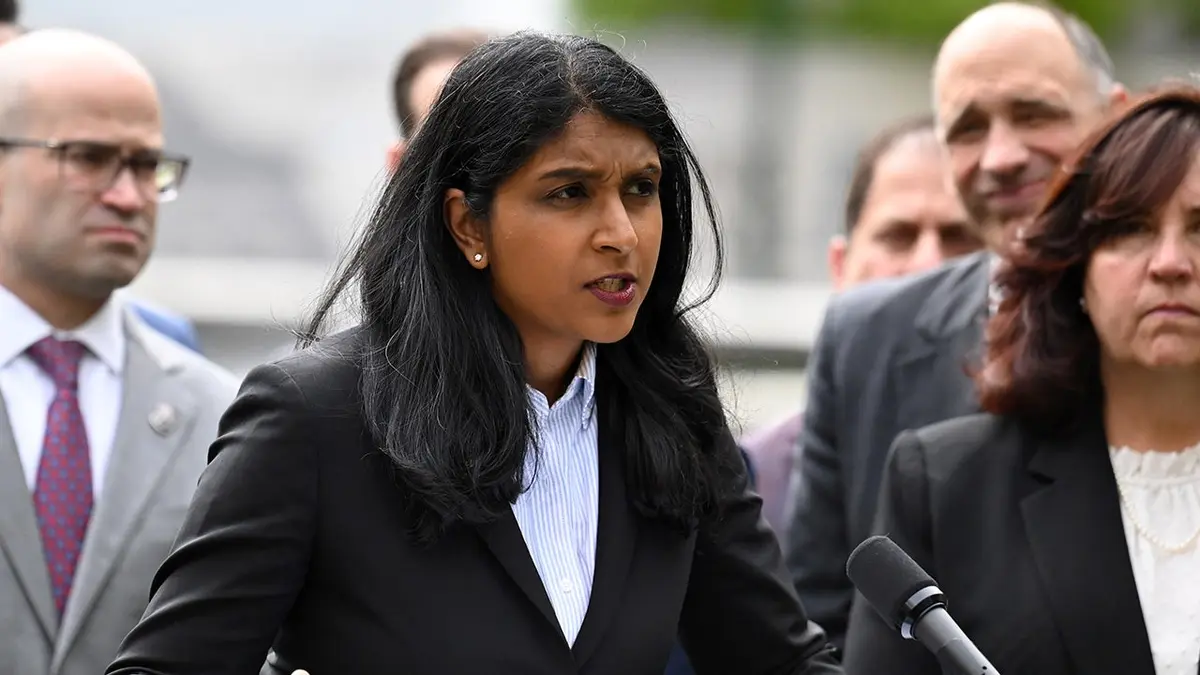
Saritha Komatireddy is putting Medicaid fraud at the center of her campaign for New York attorney general, accusing James of allowing enforcement to wither while billions in public dollars remain vulnerable.
Her message is simple: government programs mean nothing if nobody is guarding the cash register.
“They're totally failing to prosecute Medicaid fraud, and you can look at that based solely on the record of Letitia James and her Democratic predecessors,” Komatireddy told Fox News Digital. “This is not a partisan issue.”
The issue arrives at a moment when Medicaid oversight has become a national flashpoint. Investigators recently uncovered billions of dollars in suspected fraud connected to public assistance programs in Minnesota, triggering a broader push from the Trump administration to tighten enforcement and recover taxpayer money. Vice President JD Vance has taken a leading role in that federal effort as Republicans increasingly argue that public trust depends on proving government can stop abuse before asking taxpayers to spend more.
Komatireddy says New York should already know how to do that — because it used to.
According to data published in annual reports from the New York attorney general’s office, Medicaid fraud recoveries dropped from roughly $168 million in 2019, James’ first year in office, to $31 million in 2024.
That decline stands in sharp contrast to prior administrations.
Under Eliot Spitzer, New York’s Medicaid Fraud Control Unit recovered $243.6 million in 2006. Under Andrew Cuomo’s tenure as attorney general, the office brought in $113.8 million in 2007, $263.5 million in 2008, and more than $283 million in 2009 — more than $660 million across his first three years. Eric Schneiderman later recovered more than $335 million in 2012, marking one of the strongest years in the unit’s history.
Komatireddy seized on that comparison.
“Even her Democratic predecessors used to bring in $200 to $300 million per year in fraudulent proceeds,” she said. “When Tish James comes into office, it goes down to $20 to $30 million per year. According to her own year-end reports, she's just decided not to do that part of the job.”
The criticism becomes sharper when placed next to another number: spending.
While annual recoveries have fallen, state spending on New York’s fraud recovery program increased from approximately $45 million in fiscal year 2020 to around $70 million by 2025.
More money in.
Less recovered out.
That’s not exactly the sales pitch taxpayers expect when they’re told government simply needs more resources.
Komatireddy also pointed to declining criminal enforcement.
“It used to be the case the New York Attorney General's office would get around 100 criminal convictions a year, holding people who are stealing from Medicaid accountable,” she said. “Under Tish James, that number is very low. There's one year where she got eight criminal convictions.”
The issue has now drawn attention beyond Albany.
Earlier this year, Centers for Medicare & Medicaid Services Administrator Dr. Mehmet Oz sent a letter to Gov. Kathy Hochul requesting additional information about New York’s provider screening practices and anti-fraud efforts. Oz said the review was intended to protect beneficiaries and preserve public confidence in Medicaid. New York was one of only three states to receive the request, alongside California and Minnesota.
That detail alone raises an uncomfortable question for state leaders: how does one of America’s largest and highest-taxed states end up on a federal watch list over basic accountability?
For Republicans pushing an America First message, the answer is becoming increasingly familiar — government programs survive only when the public believes someone is willing to enforce the rules. And if taxpayers are expected to fund the system, they expect someone to guard it too.