Bad reporting happens.
What matters afterward is whether the correction restores confidence or reveals a deeper problem.
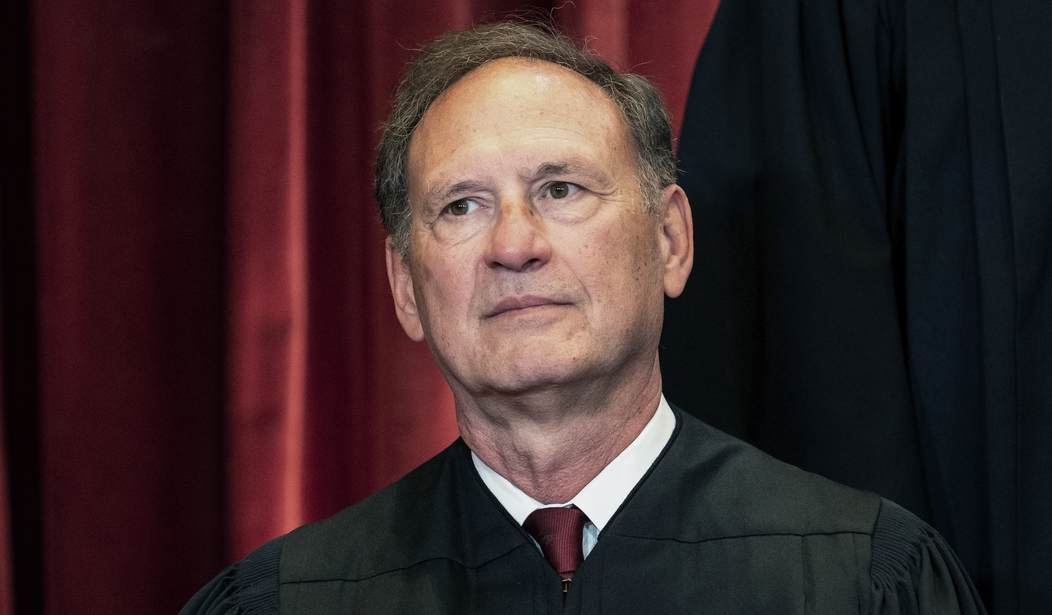
That question moved to center stage after NPR published a headline-grabbing report suggesting conservative Supreme Court Justice Samuel Alito was preparing to retire — a story that landed in the middle of a major day of Supreme Court decisions and immediately attracted national attention.
There was just one problem.
The retirement story did not hold.
What should have been a straightforward correction cycle instead turned into something more uncomfortable for a media institution that frequently presents itself as a model of careful, standards-driven journalism.
According to the explanation that followed, the reporting process behind the story raised fresh concerns rather than settling them.
That is what made the episode stand out.
Retirement rumors involving Supreme Court justices are not ordinary political gossip. They move markets, energize activist networks, trigger confirmation speculation, and shape public understanding of the Court itself. Publishing that kind of claim demands extraordinary confidence in sourcing and verification.
Especially when the justice in question is Samuel Alito — one of the Court’s most influential conservative voices and a frequent target of political pressure campaigns.
Instead, what was framed as a major scoop quickly became a lesson in what happens when speed overtakes certainty.
The broader issue here is bigger than one newsroom mistake.
Americans have watched too many high-profile stories arrive with maximum confidence and minimum patience, only to be revised later after the narrative already spread. Corrections rarely travel as far as the original headline.
And somehow, trust keeps falling.
Media organizations often insist public skepticism is driven by politics, misinformation, or attacks from critics. But credibility is not lost in one dramatic moment. It erodes through preventable errors, rushed assumptions, and explanations that leave audiences with more questions than answers.
If journalists want Americans to trust major institutions again, the standard cannot be “publish first, clarify later” — especially when the story involves the Supreme Court. Accuracy is not optional. It is the job.