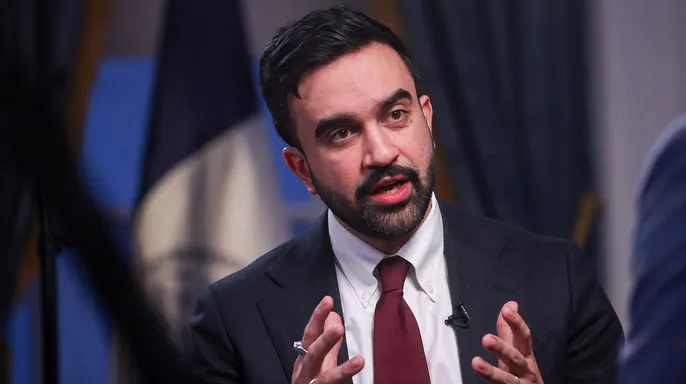
New York City Mayor Zohran Mamdani’s ambitious, some would say audacious, second-home tax plan has hit a significant legal snag, revealing the procedural sloppiness often inherent in progressive initiatives. A judge halted the rollout of Mamdani’s controversial "pied-à-terre" surcharge, only for the Mayor’s administration to swiftly appeal, triggering an automatic stay and momentarily pushing forward with the very policy deemed faulty.
This judicial intervention underscores a pattern of government overreach and questionable execution. Just hours before the appeal, Judge Wayne Ozzi ruled that the city had failed to follow required procedures when mailing tax notices. Ozzi minced no words, describing the city’s actions as "arbitrary and capricious, affected by errors of law, and in violation of the recipients’ due process rights." A clear win for property owners and a stark rebuke to a bureaucracy that seemingly believes it's above the law.
Despite the unequivocal ruling against the process, a city official, speaking on the automatic stay, confidently declared, "The auto stay allows the city to continue, as we have been, with the implementation of the pied-a-terre surcharge and puts the lower court’s order on pause." Apparently, due process rights can be paused when a progressive agenda is at stake.
The judge's decision, however, wasn't an outright dismissal of the tax itself, but rather a direct order for the city to get its house in order. Ozzi noted that the tax could still be applied, but only after removing the flawed list of properties from its website, correcting it, and then — critically — mailing new notices in full compliance with the law. One might think a city administration would prioritize basic legal compliance before attempting to levy new taxes on its citizens, but apparently, that part is complicated.
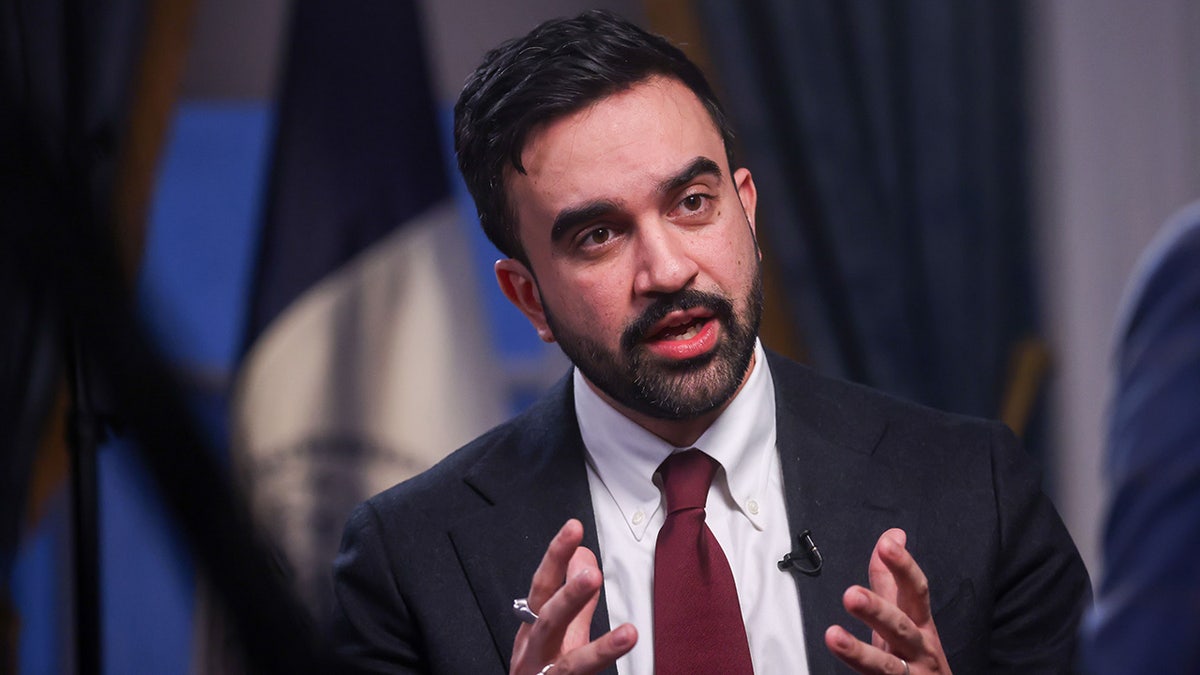
This latest legal speed bump is far from an isolated incident for Mayor Mamdani, who is nearing his first anniversary in office. His "government-first approaches" have been consistently challenged, revealing a pattern of policies that seem to bypass common sense and individual liberty. Beyond the second-home tax, Mamdani has faced significant legal pushback on his rent freeze plan, which landlords rightly characterize as overly punitive. He's also seen challenges to his state-sponsored grocery store plan, sparking concerns from the National Supermarket Association about unfair competition, and legal battles over specialized high school admissions, which some parents believe unfairly discriminate against Asian-American enrollees.
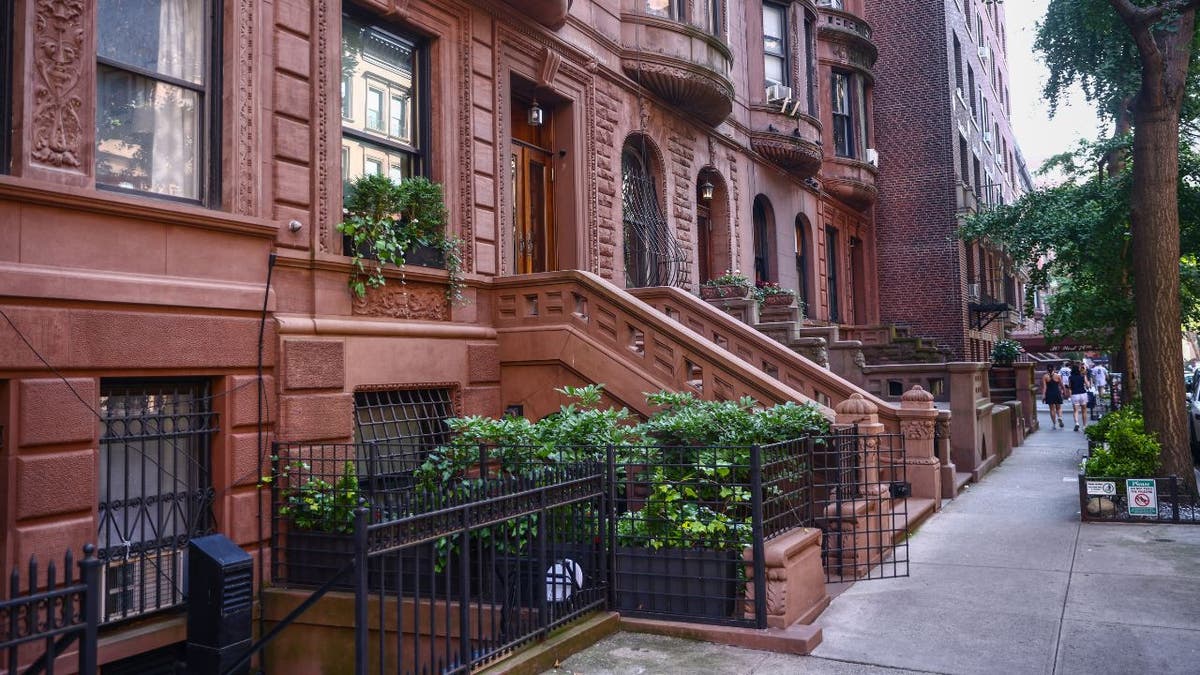
The second-home tax, first announced in April, was designed to levy an annual surcharge on certain one-to-three family homes, condominiums, and co-ops valued at over $5 million, applying only to owners with additional property outside New York City. At the time, Mamdani framed it with the predictable rhetoric of class warfare.
"Thanks to the support of Governor Hochul, we are one step closer to balancing our budget by taxing the ultra-wealthy and global elites with a pied-à-terre tax — the first of its kind in our state," Mamdani proclaimed in a press release. He added, "our administration is fighting every day to make sure we address this fiscal deficit fairly, where the wealthy contribute what they owe and our budget reflects our commitment to the working New Yorkers being priced out of our city." This is the familiar refrain of those who believe government, not individual initiative, is the solution, and that "fairness" means targeting successful citizens.
A spokesperson for the mayor, Matt Rauschenbach, doubled down on this narrative after Tuesday's decision, defending the tax as a "basic principle of fairness" and insisting the city should not be a "tax haven for the wealthy few." Rauschenbach declared, "If you can afford a luxury second home in New York City, you can afford to pay your fair share for the schools, streets and parks that make this city work." This statement conveniently ignores the substantial taxes already paid by property owners and the economic contributions they make.
Rauschenbach then accused property owners of fighting "lawsuit after lawsuit to protect their privilege," vowing the administration "will not back down." This is the typical response from politicians who view legal challenges to their policies as personal attacks rather than legitimate assertions of rights. He concluded, "Today’s decision is wrong, and we will invoke a stay of the injunction. With a stay, we will continue implementing the surcharge fairly, efficiently and in full compliance with the law, as we have since day one." The claim of "full compliance with the law," ironically, comes directly after a judge ruled they were out of compliance. This kind of disconnect is precisely why Americans are losing faith in bureaucratic governance.
The saga of Mamdani’s luxury tax is more than just a procedural squabble; it’s a revealing snapshot of a progressive agenda that often prioritizes grand ideological schemes over meticulous execution and respect for foundational American principles like due process. New Yorkers deserve an administration that upholds the law, not one that is repeatedly rebuked by the courts for its arbitrary and capricious actions.