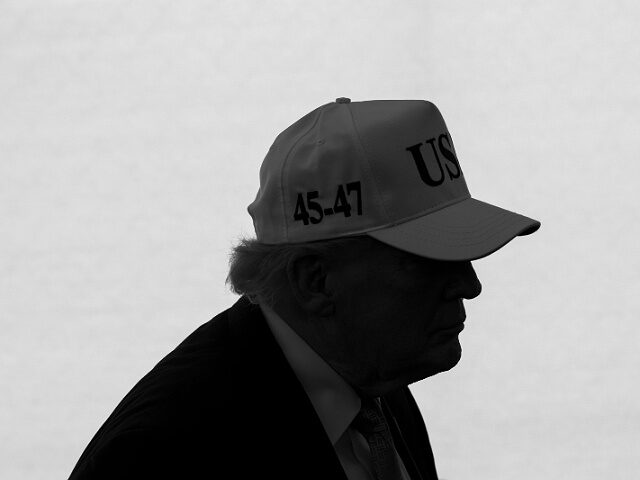
President Donald Trump said Tuesday that Iran is “doing very poorly” and predicted that Tehran will eventually “give up,” as the Iranian rial plunged past 2.5 million to the U.S. dollar and Washington continued its campaign of economic and financial pressure against the Iranian government.
Asked whether Iran was close to conceding, Trump gave a blunt assessment.
“They’re doing very poorly,” Trump told reporters. “I don’t know if they’re going to give up yet, but they will give up.”
The comments came as the economic pressure on Tehran intensified and diplomatic efforts remained uncertain. Trump also said earlier Tuesday that the conflict with Iran would end “very, very soon,” while maintaining that preventing Iran from obtaining a nuclear weapon remains a central U.S. objective.
Iran’s Currency Hits Another Historic Low
The Iranian rial fell beyond 2.5 million per U.S. dollar on Tuesday, establishing another record low in the currency’s long decline.
The collapse represents a dramatic deterioration from levels seen before the conflict began in February. The currency has been hit by the effects of the war, longstanding sanctions, restrictions on Iranian oil exports and the broader disruption of Iran’s access to international financial markets.
Treasury Secretary Scott Bessent has presented the currency's decline as evidence that the administration's economic campaign is increasing pressure on Tehran.
“Operation Economic Outcast has caused the rial to hit record lows,” Bessent said Monday, adding that Washington would continue efforts to restrict the Iranian government's ability to finance what the administration describes as terrorism and its nuclear program.
The administration launched Operation Economic Outcast in August as part of a broader effort to restrict Iran’s financial and commercial connections, including networks involved in banking, shipping, aviation and military procurement.
On Tuesday, the Treasury Department also announced sanctions against 10 individuals and entities in Iran, Hong Kong and Pakistan that Washington accused of facilitating Iran’s military supply chain.
Oil Is at the Center of the Pressure Campaign
Iran’s ability to generate revenue from oil exports has become another major pressure point.
Bessent said Sunday that Iran could have little remaining crude available for export within roughly two weeks, after accounting for oil already positioned for shipment to China. His assessment was that Tehran could eventually be left with dramatically fewer resources available for international trade.
The administration has also said that the blockade has sharply restricted Iran’s ability to move oil through the Strait of Hormuz.
At the same time, oil shipments from other Gulf producers have continued to recover. Reuters reported that the conflict has disrupted a major energy corridor while the United States has sought to maintain oil flows outside Iran’s own exports.
Trump has emphasized the scale of U.S. efforts around the strait. On Tuesday, he claimed that the United States had moved more oil through the Strait of Hormuz in recent days than “at any point in history.”
Pressure and Diplomacy Move in Parallel
The economic campaign is unfolding alongside diplomatic efforts involving intermediaries.
Qatari mediators have been facilitating indirect contacts between Washington and Tehran as both sides explore possible arrangements involving the Strait of Hormuz, sanctions and Iran’s nuclear program. No comprehensive agreement has yet emerged.
That leaves the situation unresolved.
Trump is publicly portraying Iran as increasingly constrained and predicting that Tehran will eventually yield. Iranian officials, meanwhile, have rejected the idea that the government is preparing to surrender and have continued to seek terms for ending the conflict.
For now, the clearest measurable sign of economic deterioration is the rial itself: more than 2.5 million Iranian rials are now required to purchase a single U.S. dollar, underscoring the extraordinary pressure facing Iran’s economy as Washington’s campaign continues.