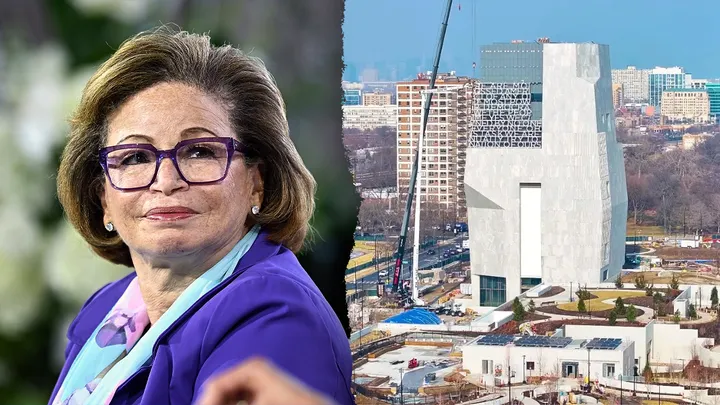
Thursday’s opening ceremony launching the public debut weekend of the Obama Presidential Center generated attention online after organizers began the event with a land acknowledgment recognizing Native American groups historically connected to the area.
Valerie Jarrett, former senior advisor to President Barack Obama and current CEO of the Obama Foundation, opened the event by recognizing what she described as the original inhabitants of the land.
“We’d also like to take a moment to recognize the original inhabitants of the land upon which we are gathered today,” Jarrett said before naming the Anishinaabe, the Council of Three Fires, the Ojibwe, the Odawa, and the Potawatomi nations.
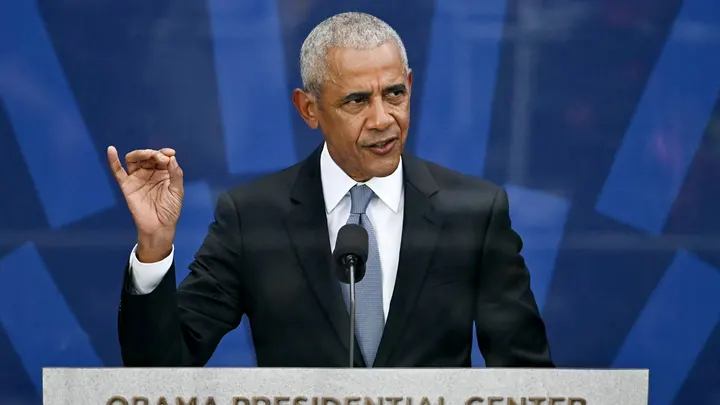
The moment quickly sparked criticism and mockery from conservative commentators and online observers.
Critics argued that land acknowledgments raise broader questions about symbolism versus action, particularly when such statements are made during major development projects rather than alongside proposals involving land transfer or ownership changes.
Conservative commentator Steve Deace responded sarcastically by questioning whether supporters of such acknowledgments would support returning land if they genuinely believed ownership claims should be revisited.
Beth Anne Mumford of Americans for Prosperity criticized the practice as symbolic rather than substantive, while other commentators echoed similar arguments online.
The criticism became part of a wider discussion surrounding the role of ceremonial statements in public events and whether they reflect meaningful policy positions or cultural messaging.
Modern politics increasingly turns ceremonies into debates and opening remarks into opinion columns before the first event even starts.
For supporters of the practice, acknowledgments represent recognition of historical context; for critics, they raise questions about consistency between symbolism and action — a debate that shows no signs of disappearing anytime soon.