To the surprise of no one.
Campaign finance records are drawing renewed attention after a review found that Democratic political committees received millions of dollars in contributions from employees at companies the Pentagon recently designated as “Chinese military companies” operating in the United States.
On June 8, the Department of War added Alibaba, Baidu, and BYD to its list of Chinese military companies, a designation tied to concerns that the firms support China’s military-civil fusion strategy or assist the People’s Liberation Army through other means.
According to the review, employees from those companies — including executives, attorneys, lobbyists, and other personnel — contributed approximately $2.6 million to Democratic political committees since 2020.
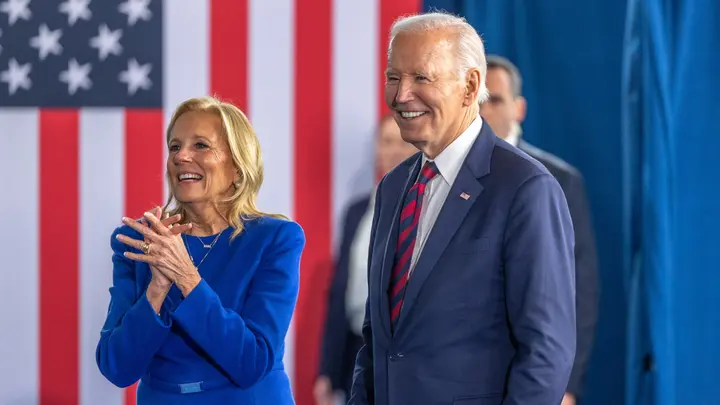
Recipients reportedly included several high-profile Democratic figures and organizations, with committees connected to Joe Biden receiving the largest total, estimated at roughly $850,000 between 2020 and 2024. Democratic committees associated with Kamala Harris, congressional figures, state-level campaigns, and the Democratic National Committee also received contributions.
Some donations also went to Republican committees, though the overall amount was reported to be significantly smaller.
The review examined direct donations, earmarked contributions, and support through joint fundraising structures. It did not include corporate donations from the companies themselves.
Michael Lucci of the national security organization State Armor argued that American political campaigns should no longer accept contributions connected to Chinese firms, especially those later identified by the Pentagon as supporting military-related objectives.
At the same time, the Pentagon’s designation does not function as a traditional sanction. Americans remain legally permitted to do business with firms on the list.
Still, the practical impact of the 1260H list has increased in recent years.

Beginning June 30, the Pentagon will be prohibited from directly contracting with companies appearing on the list, and future restrictions are expected to expand to indirect procurement through supply chains by 2027.
The designations have also renewed attention on concerns surrounding China’s military-civil fusion strategy and how deeply economic relationships intersect with politics, technology, and national security.
Campaign finance stories usually stay buried in filings and spreadsheets — until national security enters the conversation and suddenly everyone starts reading footnotes.
For critics raising concerns, the larger question is whether future political funding standards should change as geopolitical competition becomes a bigger part of domestic politics.