Border conflicts rarely stay at the border for long.
What began as a security operation along the Pakistan–Afghanistan frontier has now escalated into one of the deadliest recent confrontations between the neighboring countries, with sharply different narratives emerging over what happened and who was targeted.
Taliban authorities said nighttime strikes carried out by Pakistani forces inside Afghanistan on June 29 killed at least 36 people and wounded more than 160 others.
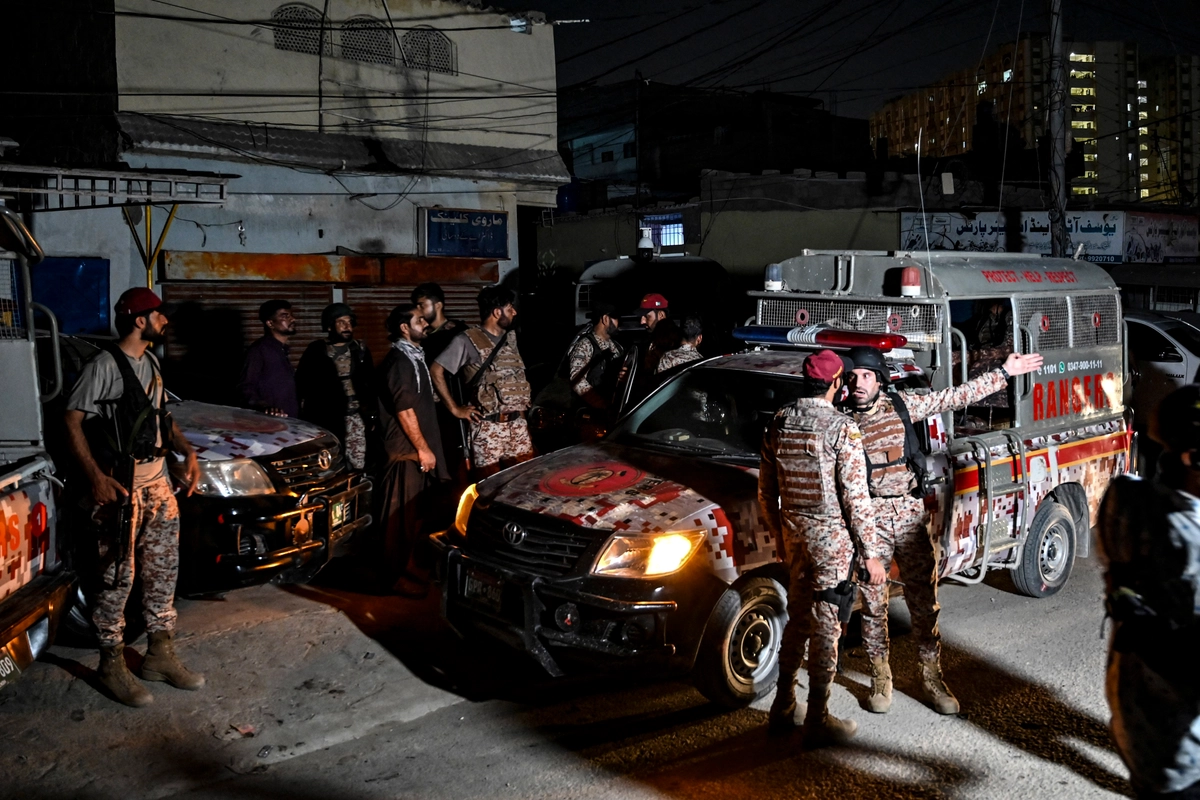
According to accounts released by Taliban officials, the casualties followed military action that began with a ground operation launched by Islamabad’s security forces near the Pakistan–Afghanistan border late on June 27.
Pakistan presented the operation very differently.
In a June 28 post on X, Pakistani Information Minister Attaullah Tarar said the strikes targeted what he described as “hideouts and safe havens of terrorists.” Tarar stated the operation resulted in the deaths of 29 terrorists.
Those competing accounts underline the central dispute shaping relations between the two countries.
Pakistan has repeatedly argued that militant groups use Afghan territory to organize attacks and then move across the border into Pakistan. Taliban authorities have rejected accusations that Afghanistan serves as a sanctuary for anti-Pakistan operations.
That disagreement has become increasingly difficult to contain.
For years, Washington and regional governments learned the hard way that unstable border zones can become launch points for wider security crises. Pakistan’s leadership has increasingly signaled that it is unwilling to absorb attacks without responding across the frontier.
At the same time, military action that produces civilian casualty claims carries obvious risks — politically, diplomatically, and strategically.
The numbers and specific targets remain contested, and independent verification of the competing casualty claims was not established in the source material.
But the broader reality is harder to dispute: security vacuums do not stay local, and neighboring states eventually act when they believe threats are crossing their borders.
The question now is whether this becomes another short-lived escalation — or another step toward a more dangerous regional confrontation that neither side publicly says it wants but both increasingly seem prepared to risk.