Political campaigns often turn on one question: who are voters really getting?
That is the argument Republican Texas Senate nominee Ken Paxton is making as he ramps up his contrast with Democratic opponent James Talarico.
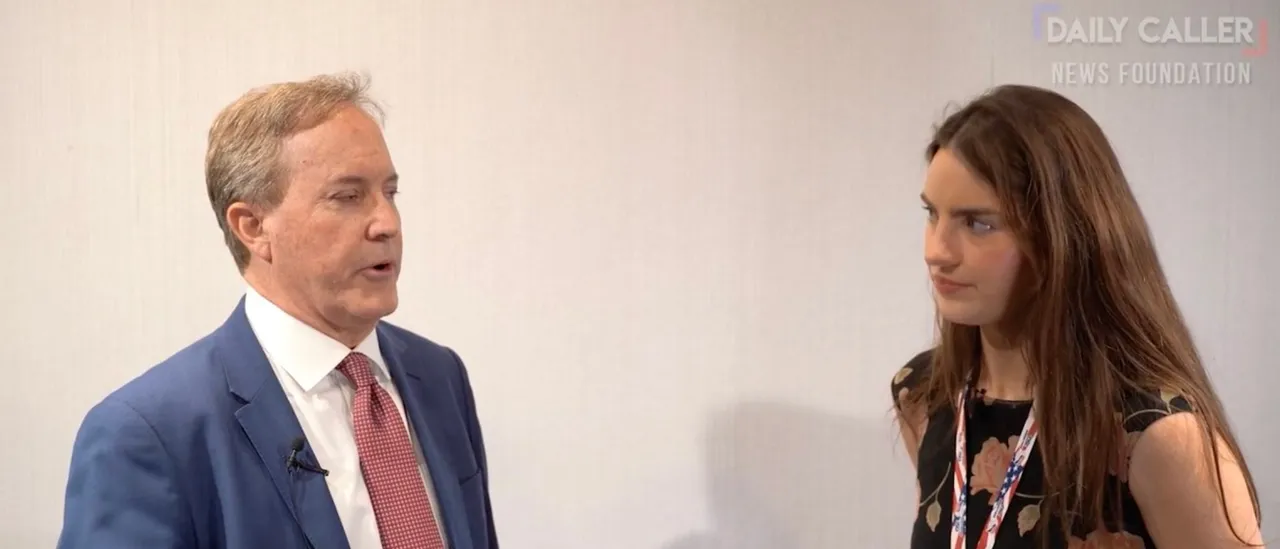
In an interview Saturday with the Daily Caller News Foundation, Paxton said he wants Texas voters to take a closer look at what he describes as Talarico’s past statements and political positions rather than what he views as a polished effort to present himself as a political moderate.
Paxton’s message was blunt.
He argued that Texans should know what he called Talarico’s “weird” comments and positions, pointing specifically to previous remarks tied to gender identity issues and statements expressing support and affection toward transgender children.
The strategy reflects a broader Republican playbook that has become increasingly effective in recent election cycles: move the debate away from branding and back toward records.
For years, Democratic candidates in competitive states have tried to position themselves as practical moderates while maintaining support from activist wings of the party on cultural issues. Republicans increasingly argue that voters should judge candidates by what they actually say and support when attention is lower — not only by campaign-season messaging.
Paxton appears to believe that contrast matters in Texas.
Rather than focusing only on taxes, budgets, or standard campaign talking points, he is framing the race around cultural credibility and whether voters trust Democrats who speak moderately while embracing positions that many conservatives see as out of step with everyday families.
At the center of Paxton’s criticism are Talarico’s previous comments on gender and identity politics — subjects that have become major fault lines nationally as debates continue over schools, parental rights, and how far progressive cultural priorities should shape public institutions.
Talarico has attracted attention and fundraising support while building a public image that appeals beyond traditional progressive circles. Paxton’s argument is that the image deserves closer inspection.
That tension may define more than one Texas race.
Republicans have increasingly framed modern campaigns as contests between common-sense governance and a political culture they view as increasingly shaped by ideological activism dressed in moderate language.
And in Paxton’s view, the first step is simple: make sure voters hear the words for themselves and decide whether the label matches the record.