Putin's defiance lays bare the real challenge to global stability, even as President Donald Trump steps forward with a pragmatic proposal for peace. On Monday, Ukrainian President Volodymyr Zelenskyy revealed that Russia continued its relentless attacks on Ukraine's vital energy infrastructure, directly rejecting what President Trump had announced as an immediate energy ceasefire. This blatant disregard from Moscow serves as a stark reminder of the forces working against true de-escalation.
"We are ready today for energy ceasefire, as President Trump said. But I'm not sure that Putin is ready because even after yesterday's messages from the president about energy ceasefire, Putin attacked our gas infrastructure," Zelenskyy told Bill Hemmer on "America's Newsroom."
Zelenskyy, signaling Ukraine's commitment to good faith, confirmed that Kyiv had indeed honored the proposed ceasefire overnight, refraining from striking Russian energy facilities. "We didn't attack any energy objects on the territory of Russia because President Trump said that there will be an energy ceasefire between Ukraine and Russia. And we didn't attack, but Russia attacked our gas stations, energy infrastructure, infrastructure and other things," he stated.
This clear pattern of Russian aggression, Zelenskyy emphasized, was Putin's unequivocal answer to President Trump's initiative. "It was his answer to President Trump. He attacked our energy infrastructure. The communication from Russia was very clear that they don't know anything about energy ceasefire."
President Trump had announced the immediate halt to attacks on energy facilities via Truth Social, a bold move aimed at stabilizing a volatile conflict. Yet, Moscow's failure to confirm such an agreement, coupled with its continued assaults, casts a long shadow over any genuine peace efforts.
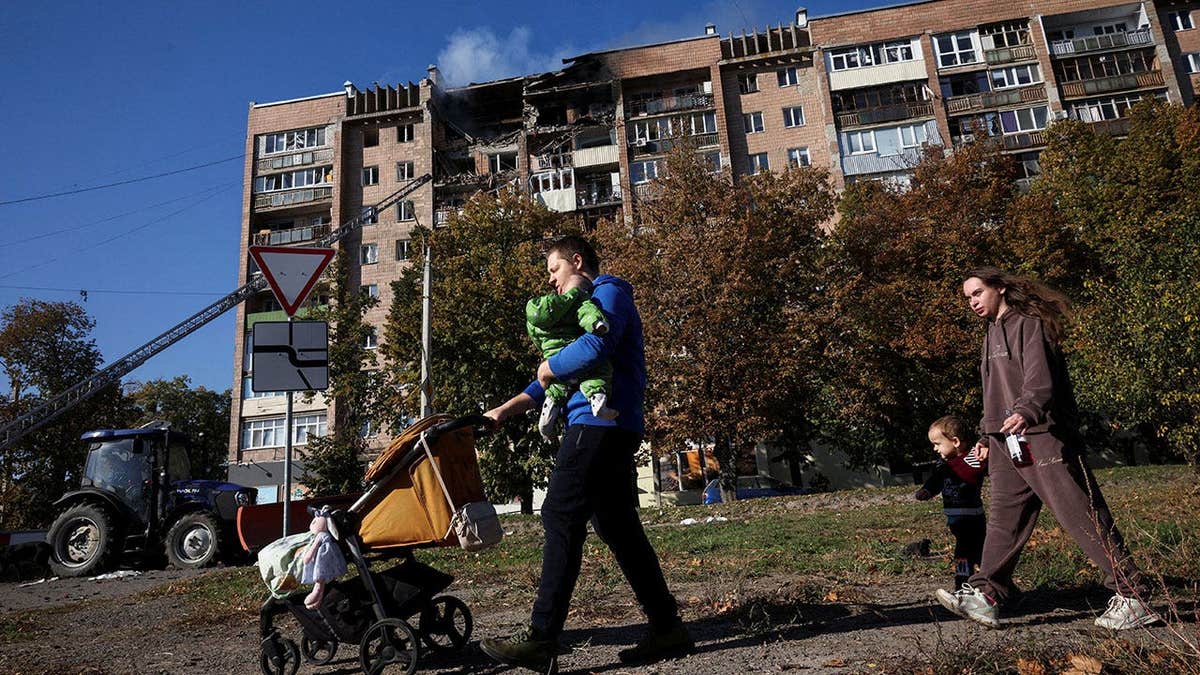
A family walks past an apartment building that was hit by a Russian drone, amid Russia's attack on Ukraine, in Kharkiv, Ukraine, October 12, 2026.
The core of Trump's proposal, initially targeting oil refineries, aimed to ease global fuel prices and prevent further economic strain. However, a White House official acknowledged that Russia had not yet agreed to even this initial, crucial step. This underscores the deliberate obstruction from the Kremlin, whose actions continue to destabilize global energy markets.
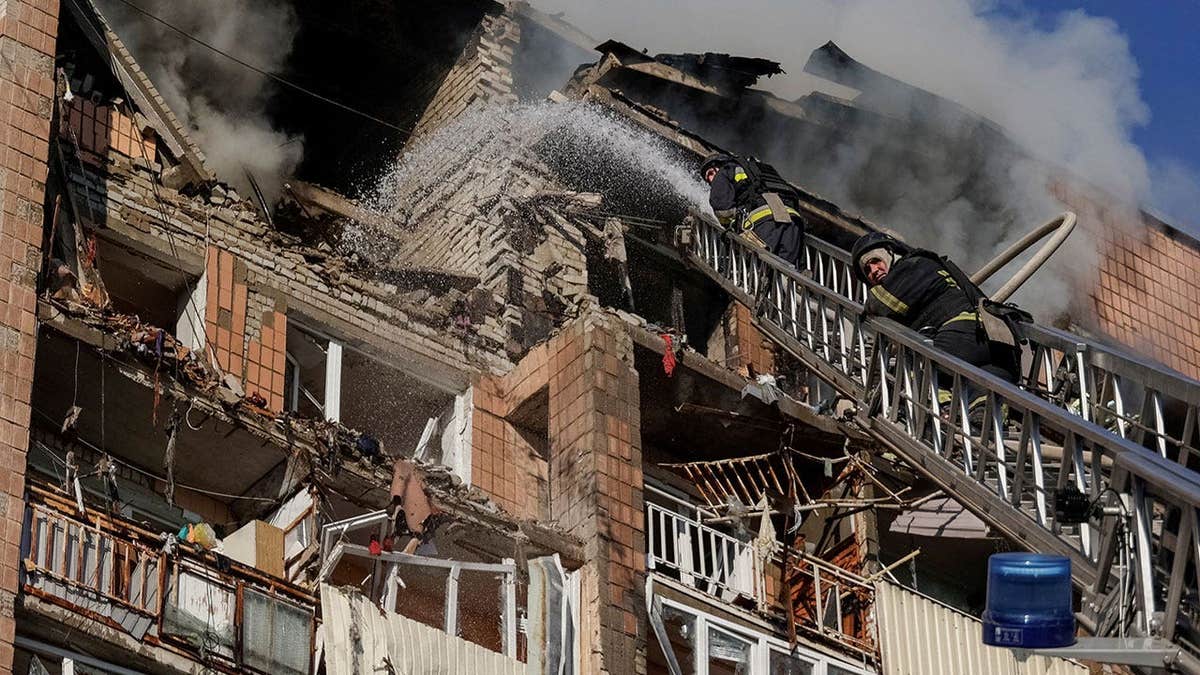
Firefighters work at the site of an apartment building damaged during a Russian drone strike, amid Russia's attack on Ukraine, in Kharkiv, Ukraine, on October 12, 2026.
During his interview, Zelenskyy was pressed on whether Ukraine would halt its own successful attacks on Russia's vast oil-refining network – a point of contention with some in Washington concerned about rising fuel costs. Zelenskyy wisely tied any such cessation to a reciprocal commitment from Russia to protect Ukraine's vulnerable electricity supply.
"When we speak about energy ceasefire, it means only one thing: that they don't attack our energy infrastructure, and we don't respond to their energy infrastructure. This is called energy ceasefire." He offered a conditional commitment: "If Russia will not attack our energy, we will not attack the energy."
President Trump has rightly criticized Ukrainian attacks on Russian oil refineries, understanding the direct impact on American wallets. His focus remains on alleviating the burden of high fuel prices, which he has consistently worked to address. Zelenskyy, however, pointed to disruptions in the Strait of Hormuz as the true culprit for diesel price hikes, a complex global issue that requires robust American leadership.
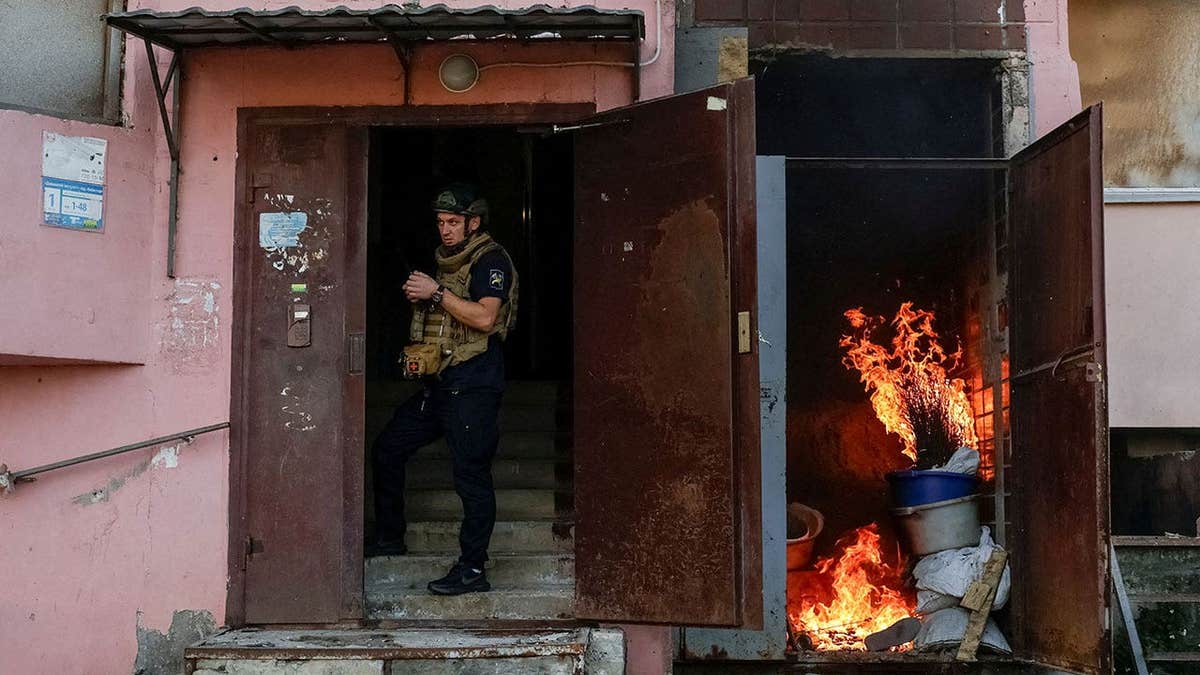
A rescuer takes shelter at the entrance of an apartment building amid the threat of another Russian drone strike, amid Russia's attack on Ukraine, in Kharkiv, Ukraine, on October 12, 2026.
The conversation also illuminated tensions regarding President Trump's call for new presidential elections in Ukraine. Trump, with his characteristic directness, suggested Ukraine needed fresh leadership, arguing opportunities for peace had been missed. Zelenskyy responded with a firm assertion of national sovereignty: "If President Trump wants to change the leader in Ukraine, he has to know that only our people can change."
While expressing readiness for elections, Zelenskyy highlighted the practical impossibility of holding them amidst an active warzone, citing thousands of ongoing drone and missile attacks. Security, he emphasized, must precede any democratic process. He last spoke directly with President Trump in New York during the U.N. General Assembly in late September, underscoring the high-level engagement that continues despite these complex issues.
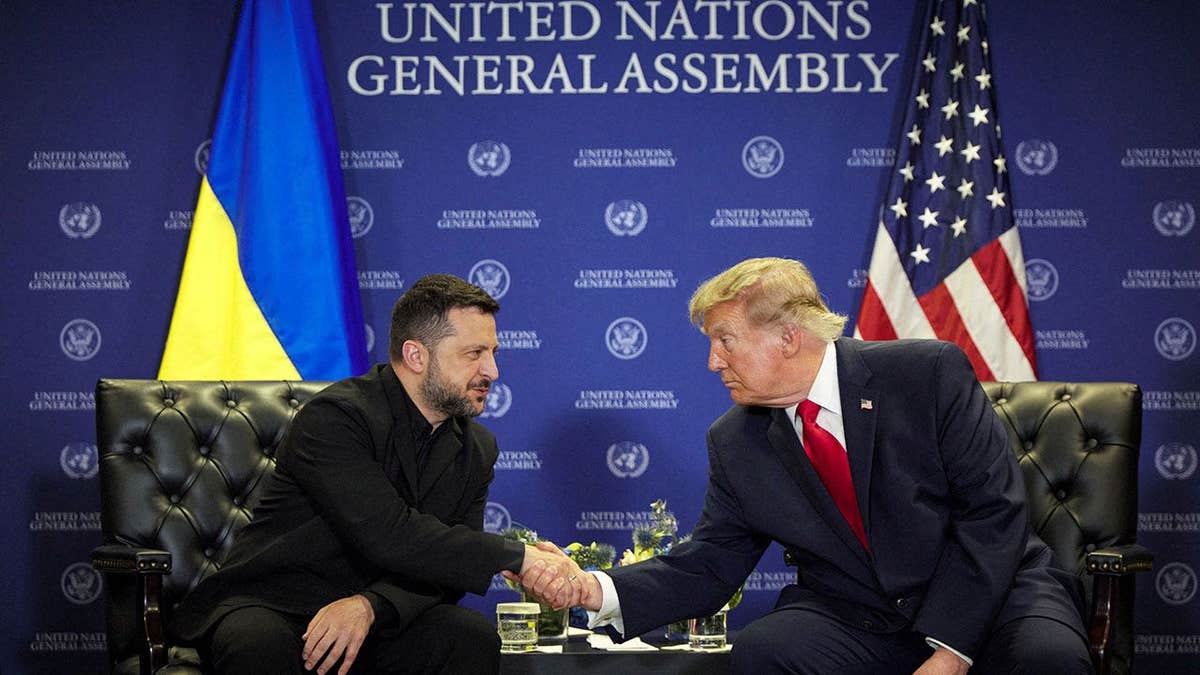
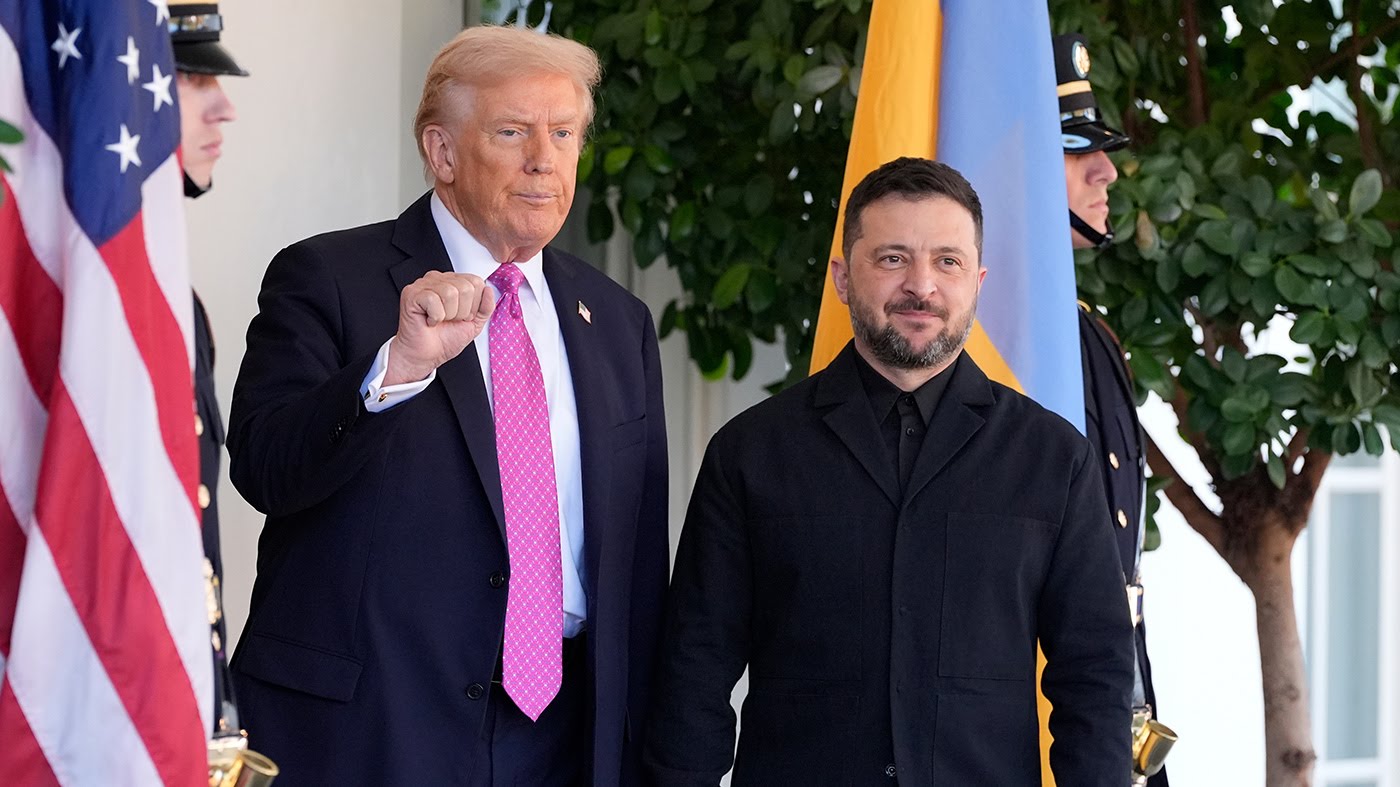
President Donald Trump and Ukraine's President Volodymyr Zelenskiy shake hands as they meet on the sidelines of the 81st United Nations General Assembly (UNGA) in New York City in this handout released September 22, 2026.
Meanwhile, the brutal reality on the ground persists. Following Trump's ceasefire announcement, Russian forces struck a power plant in Kyiv and a thermal power plant in Kharkiv. Ukraine's charge d'affaires in Washington, Denys Sienik, reported over 200 Russian strikes on electricity facilities in just one week. These attacks tragically claimed civilian lives, including a 16-year-old boy, near a grocery store in the Kharkiv region. A woman in Pisochyn recounted witnessing five strikes on a power plant just minutes after the supposed ceasefire. Russia's Foreign Minister Sergey Lavrov brazenly rejected a 60-day ceasefire, claiming it would only allow Europe to resupply Ukraine, demonstrating a clear preference for continued conflict over peace.
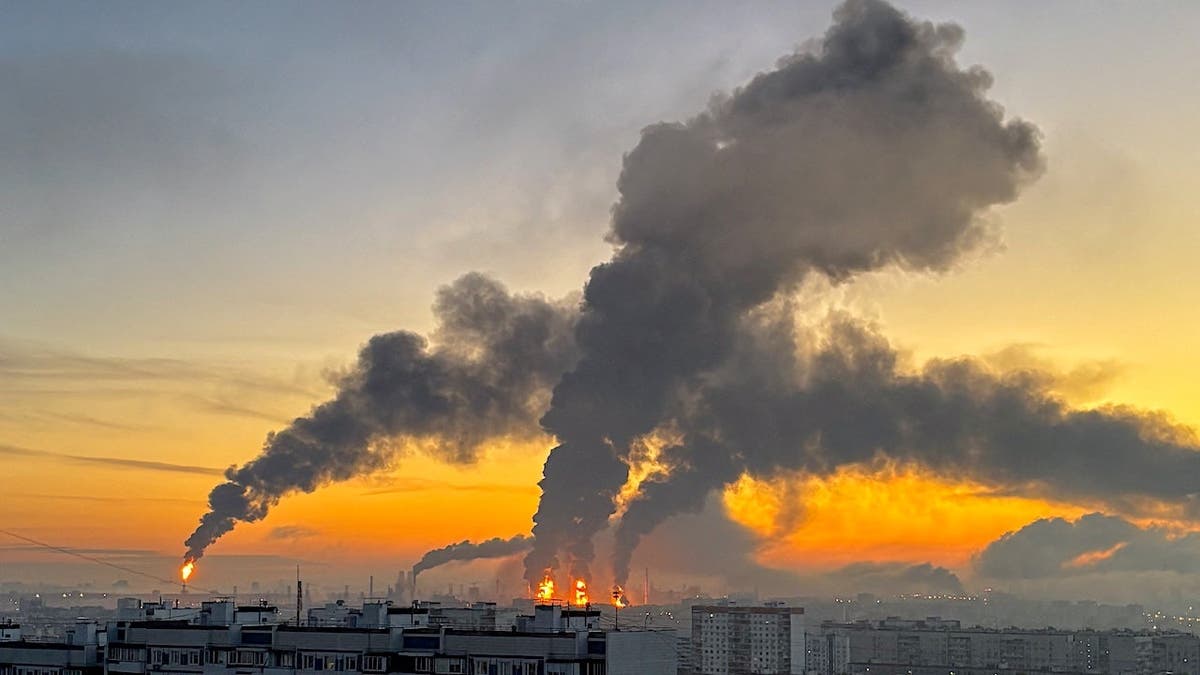
Plumes of smoke rise from fires at an oil refinery following what authorities said was a Ukrainian drone strike during the Russia-Ukraine conflict in Moscow, Russia, on Sept. 20, 2026.
President Trump's decision to ease restrictions on Russian diesel, aimed at stabilizing global oil markets, has predictably drawn fire from establishment critics. Carrie Filipetti, a former deputy assistant secretary of state, expressed concern that the arrangement might undermine U.S. leverage. However, Morgan Murphy, former head of public diplomacy for the Special Presidential Envoy to Russia and Ukraine, offered a crucial perspective: "President Trump has consistently prodded both sides toward the only realistic outcome — negotiation." Murphy correctly identifies that an endless war benefits only those who profit from it, rather than the suffering populations.
The human cost remains paramount. Zelenskyy underscored that Russian strikes are claiming between 20 and 30 civilian lives daily, a tragic tally that cries out for a resolution. "We want to end this war as quickly as possible," he said. "Ceasefire is a good first step from both sides. This is very important."
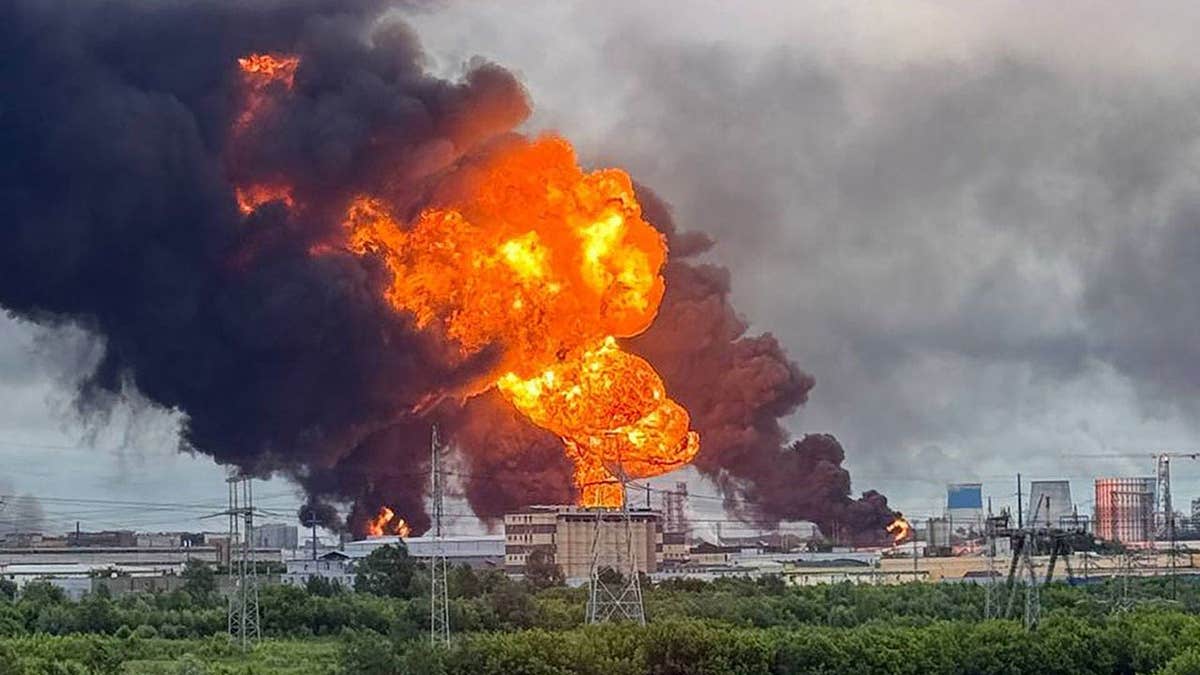
Smoke and flames rise over Moscow on June 18, 2026, following a Ukrainian drone attack that hit the Kapotnya oil refinery and other targets in the Russian capital.
President Trump's willingness to engage in direct, unconventional diplomacy, even amidst criticism, demonstrates a genuine commitment to peace and American economic stability. While establishment voices may decry his approach, his actions consistently prioritize the safety and prosperity of the American people, seeking real solutions where others offer only endless conflict and escalating costs. True American leadership demands a clear-eyed approach to global challenges, always putting America First.