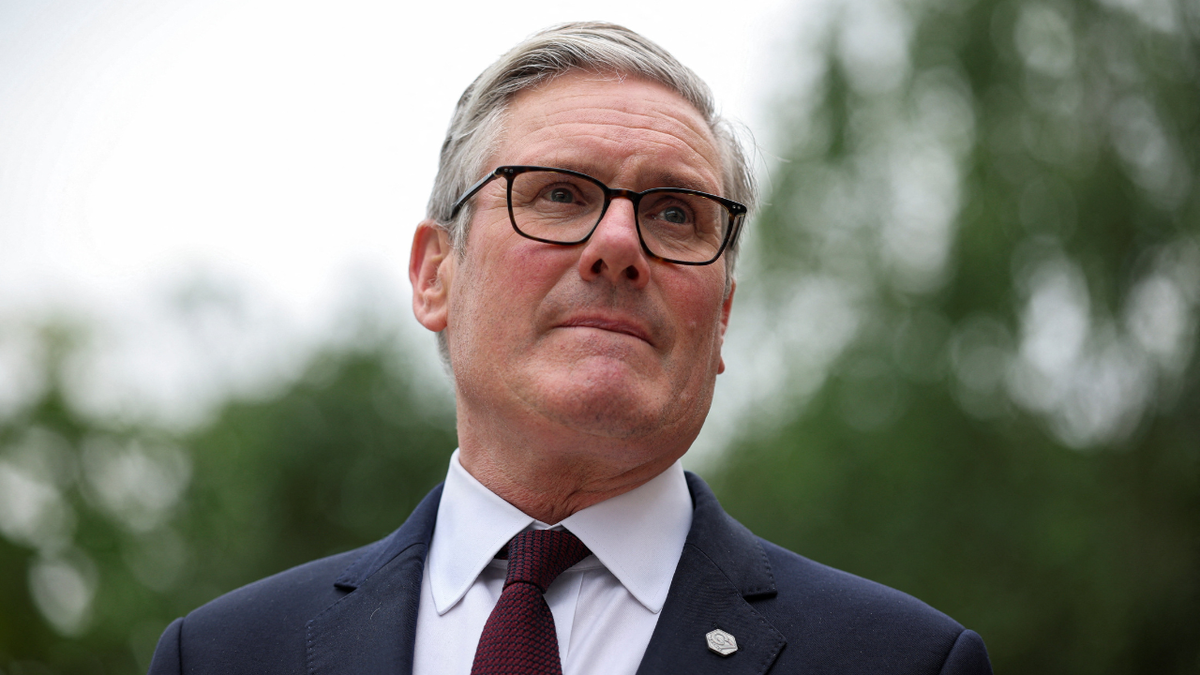
Fresh reports out of Britain have fueled speculation about the political future of Prime Minister Keir Starmer, with claims that he may be weighing whether to step aside and could announce a timetable for his departure in the coming days.
According to a report published Saturday by Britain’s Observer newspaper, Starmer has been discussing his future privately with his wife while staying at Chequers, the prime minister’s official country residence. The report suggested a final decision may be approaching and that senior figures inside the Labour Party are preparing for a possible public statement as early as next week.
At this stage, however, no official resignation announcement has been made.
A government source speaking to Reuters pushed back on the speculation and said Starmer remains focused on governing. The source also pointed to previous remarks from the prime minister in which he committed to remaining in office.
The uncertainty has naturally triggered broader questions inside British politics. Leadership speculation is rarely just about one individual—it often reflects deeper conversations inside a governing party about direction, public confidence, and long-term political strategy.
Supporters of Starmer are likely to argue that reports about his future amount to routine Westminster rumor cycles and that governing decisions should not be driven by media speculation or internal party noise.
Critics, meanwhile, may view the reports as a sign of growing pressure within Labour and an indication that even strong electoral victories do not guarantee political stability once governing realities begin to set in. Apparently, campaign messaging and governing are not always the same sport.
For observers outside the United Kingdom, the story also touches on a familiar democratic question: how long should leaders remain in office when public expectations shift or political momentum changes?
Until Starmer speaks directly, the reports remain exactly that—reports. But the fact that questions about succession are already circulating at senior levels highlights how quickly political capital can become political uncertainty. In modern politics, confidence matters almost as much as votes—and once questions about leadership take hold, they rarely disappear quietly.