The controversy over the Lincoln Memorial Reflecting Pool has turned into yet another example of media scrutiny colliding with political memory. While President Donald Trump’s administration has pointed to ongoing efforts to clean up and restore national monuments in Washington, D.C., critics and some media figures have focused instead on finding fault in the condition of the water feature.
At the center of the latest discussion is a familiar tension: what counts as maintenance, and what counts as political controversy.
The administration’s supporters argue that Trump’s broader push to repair and clean up public landmarks across the capital deserves recognition, not constant skepticism. They say that instead of acknowledging improvements, some outlets have been more interested in digging for problems—even when those problems are as simple as algae being, well, algae.
Yes, even that became a talking point, with CNN reportedly going as far as testing the water in the Reflecting Pool, seemingly in an effort to turn routine environmental conditions into something more politically charged.
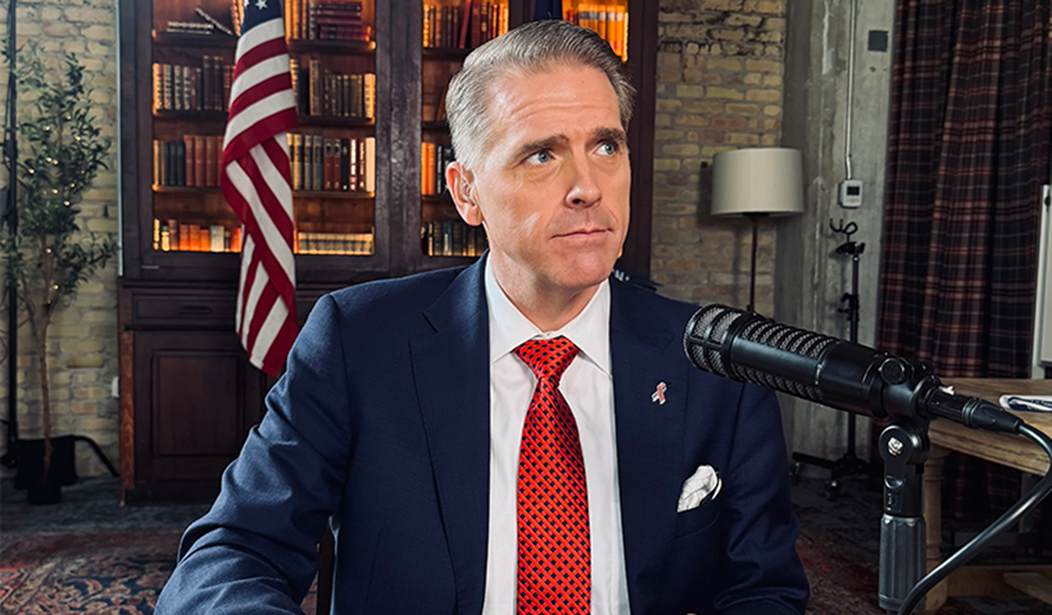
The debate resurfaced again during a recent panel discussion, where CNN commentator and Salem Media host Scott Jennings brought historical context into the conversation. Jennings reminded fellow panelists that during the Obama administration, a Reflecting Pool renovation reportedly cost around $34 million and took significantly longer to complete.
Turning to Democratic strategist Ameshia Cross, Jennings posed a pointed question: whether she had objected to that level of spending at the time.
The exchange highlighted a familiar dynamic in Washington media debates—where present-day criticisms often collide with selective memory of past administrations. Supporters of Jennings’ argument say the comparison raises fair questions about consistency in political scrutiny. Critics, however, argue that each project and circumstance should be evaluated on its own terms rather than through partisan comparisons.
And yet, the broader question lingers: why does routine infrastructure maintenance in the nation’s capital so often become a political battlefield in the first place? Apparently, even water in a reflecting pool is no longer just water.
While the back-and-forth may continue on cable news panels, the underlying issue remains larger than any single renovation or talking point. It speaks to a deeper erosion of trust in how public projects are discussed, judged, and politicized depending on who occupies the White House at the time.
In the end, the Reflecting Pool may just be water—but the debate around it reflects something far less calm in American political discourse today.