The first numbers were devastating.
The fear now is that they may only tell part of the story.
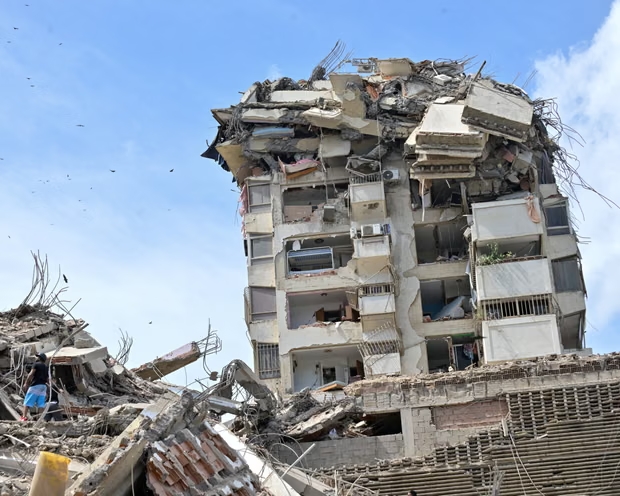
Rescue crews are rushing across Venezuela’s battered northern coast after nearly simultaneous earthquakes tore through communities, collapsing buildings, trapping residents, and turning ordinary neighborhoods into fields of concrete and dust.
Officials say at least 235 people have been confirmed dead and roughly 4,300 injured.
But those figures come with an unsettling warning: authorities fear the true death toll could rise dramatically as emergency teams continue searching damaged structures and reach areas that remain difficult to access.
Across the disaster zone, the work has become painfully familiar — rescuers moving slab by slab, families waiting for updates, emergency workers racing against time and exhaustion.
Dozens of buildings were reduced to rubble after the quakes struck, leaving entire sections of the coast struggling with destroyed infrastructure and urgent humanitarian needs.
In disasters like this, the first battle is survival.
The second is speed.
Every hour matters when survivors may still be trapped beneath collapsed concrete. Emergency officials continue coordinating rescue operations while medical teams work to treat thousands of injured residents.
Natural disasters have a brutal way of cutting through politics, ideology, and headlines. What remains are families searching for loved ones, first responders making impossible decisions, and communities trying to hold together under conditions nobody chooses.
Questions about preparedness, infrastructure, emergency response, and long-term recovery will come later.
Right now, the mission is simpler and harder at the same time: find survivors, protect the injured, and bring as many people home as possible.
For Venezuela’s northern coast, the next few days may determine whether this becomes a tragedy measured in hundreds — or one remembered for a loss far greater.