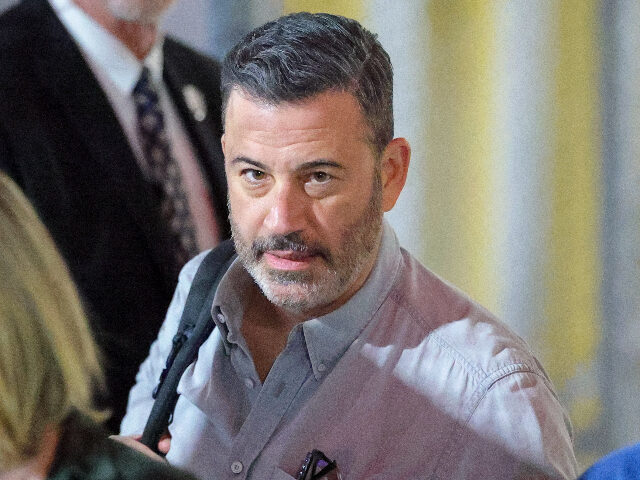
Health and Human Services Secretary Robert F. Kennedy Jr. is taking aim at late-night television host Jimmy Kimmel, accusing him of becoming part of what Kennedy described as the “collapse of liberal comedy.”
Kennedy shared a satirical social media thread criticizing modern late-night television and arguing that many once-popular comedians abandoned humor in favor of political activism and ideological messaging.
Calling the piece a “superb dissection of the shocking collapse of liberal comedy,” RFK Jr. highlighted one particularly brutal line aimed directly at Kimmel.
“This is the best explanation of how we’ve reached the nader [sic] where Late Night host Jimmy Kimmel can say ‘It’s not my job to be funny,’” Kennedy wrote. “As this author shows, he was hired as a comedian but he made himself a priest.”
And honestly, that criticism resonates with a lot of Americans who feel modern late-night television has transformed from comedy into nightly political lectures wrapped in applause signs.
For decades, late-night hosts built audiences by poking fun at everyone equally and focusing primarily on entertainment. But many critics argue today’s late-night landscape has become overwhelmingly partisan, with hosts spending much of their airtime attacking conservatives, President Donald Trump, and anyone outside progressive political circles.
The result? Declining ratings, shrinking cultural influence, and audiences increasingly tuning out altogether.
Apparently repeatedly scolding half the country every night while insisting you’re still “just a comedian” isn’t the unbeatable business model Hollywood thought it was.
Kimmel in particular has become one of the most openly political late-night personalities in recent years, frequently using his platform for progressive activism, emotional monologues, and direct political commentary.
Critics argue that shift fundamentally changed the nature of late-night comedy. Instead of comedians challenging power structures broadly, many viewers now see hosts acting more like ideological enforcers for establishment political narratives.
Kennedy’s comments also reflect a broader cultural frustration with entertainment figures who increasingly blur the line between comedy, activism, and partisan messaging.
Ironically, RFK Jr. himself spent years being attacked by many of the same late-night figures after challenging establishment positions on public health, government authority, and media narratives. So his criticism clearly carries some personal edge as well.
The larger debate touches on a growing problem for legacy entertainment institutions: audiences are fragmenting rapidly because many Americans no longer trust supposedly “neutral” entertainers, journalists, or celebrities who openly push political agendas while dismissing opposing viewpoints.
At the same time, alternative media platforms, podcasts, and independent creators continue exploding in popularity precisely because people are searching for authenticity, unpredictability, and voices outside the traditional Hollywood echo chamber.
And for critics of modern late-night TV, RFK Jr.’s comments captured what they believe happened perfectly: comedians stopped trying to make people laugh and started trying to morally instruct them instead.
The problem, of course, is that audiences usually buy tickets for comedy — not sermons.