Congressional hearings are supposed to reveal priorities.
Sometimes they reveal something else entirely.
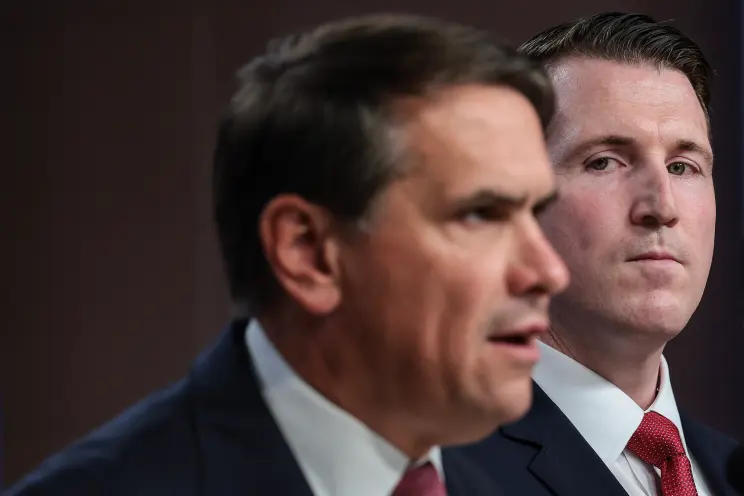
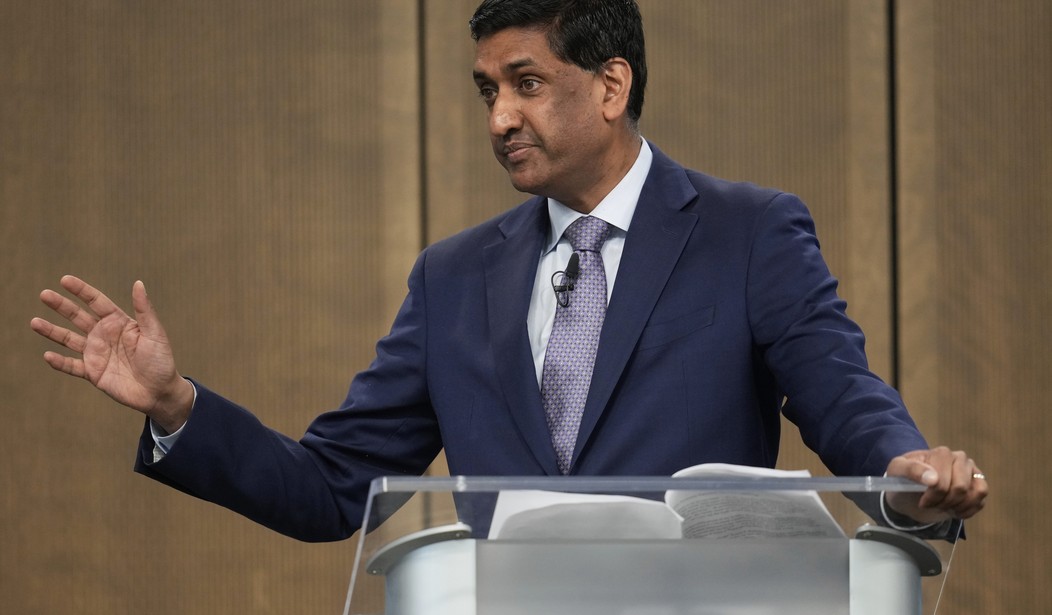
During a House Select Committee on China hearing, Rep. Ro Khanna found himself at the center of a confrontation that quickly drew attention — not because of a major policy breakthrough, but because of the contrast between political performance and political reality.
Khanna has built a national profile as one of the Democratic Party’s more visible media-ready members, often presenting himself as a bridge between progressive politics, technology, and economic policy. His supporters see him as sharp and ambitious.
His critics see something different: a lawmaker who too often mistakes attention for persuasion.
This hearing gave those critics more material.
What appeared to begin as an attempt to challenge or outmaneuver another participant instead became one of those Washington moments where confidence collided with resistance and the script stopped cooperating.
That matters because the House Select Committee on China is not ordinary political theater.
The committee exists to address one of the most serious strategic challenges facing the United States — economic competition, supply chains, national security, intellectual property, military expansion, and America’s long-term position against the Chinese Communist Party.
That subject leaves little room for performative politics.
Voters increasingly expect hearings on China to focus on results: protecting American industry, confronting foreign influence, rebuilding domestic strength, and ensuring the next generation does not inherit strategic dependence disguised as globalization.
When those moments turn into personality contests, frustration follows.
Republicans and America First voters have argued for years that Washington too often treats serious geopolitical threats like cable-news content instead of national priorities.
That criticism resonates because Americans can see the difference.
They know when elected officials are trying to solve problems.
And they know when someone is trying to win the clip.
The bigger lesson is not about one hearing or one member of Congress.
It is that public trust gets built when leaders show seriousness equal to the stakes — especially when the subject is China, where symbolism means little and outcomes mean everything.