Sometimes the most dangerous ideas are not the ones announced with missiles.
Sometimes they arrive dressed as administrative policy.
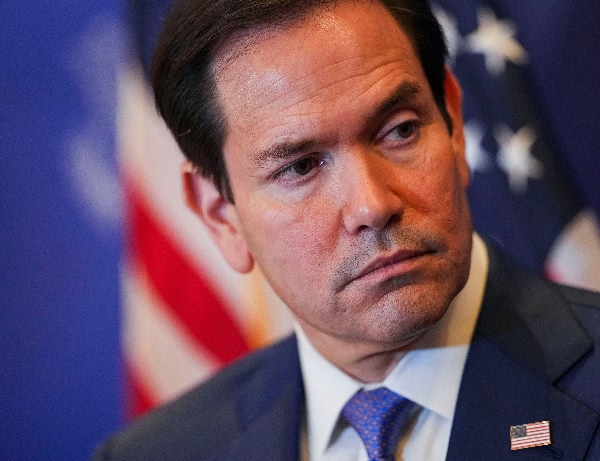
Secretary of State Marco Rubio is raising alarms over reports that Iran is developing a plan to impose shipping fees in the Strait of Hormuz — one of the most strategically important waterways on earth — warning the concept could generate tens of billions of dollars and create a precedent far beyond the Middle East.
According to reporting cited by The Wall Street Journal, the proposal could bring Iran as much as $40 billion annually by tying maritime access and transit services to a structured payment system.
Rubio’s concern goes beyond the money.
His warning is about the model.
If one country successfully turns a critical international shipping lane into a toll collection operation, Rubio argued, others may decide to try the same thing.
He described the possibility as spreading “like a contagion,” according to The Western Journal.
That phrase matters.
The Strait of Hormuz is not some obscure regional corridor. A significant share of global energy shipments moves through it. Stability there affects fuel prices, supply chains, manufacturing costs, and household budgets across the world — including in the United States.
The question Rubio appears to be raising is larger than Iran itself: if strategic chokepoints become monetized political leverage, what stops the next government from charging access in another vital corridor?
And then the next.
And the next.
For years, American foreign policy debates have revolved around military presence, deterrence, and whether global order still requires active enforcement. But this challenge looks different. It is not necessarily about closing waterways outright. It is about institutionalizing control and turning geography into recurring revenue.
That changes incentives.
Supporters of an America First approach have long argued that economic security and national security are inseparable. Energy routes, trade lanes, and freedom of navigation are not abstract diplomatic concepts — they shape prices at gas pumps, costs at grocery stores, and America’s ability to stay economically independent.
Rubio’s warning reflects a broader concern now surfacing in Washington: once strategic leverage becomes profitable, it rarely stays local.
Because if the world starts accepting toll booths at maritime chokepoints, it may discover too late that the price of moving goods is no longer set by markets — but by whoever controls the narrowest passage.