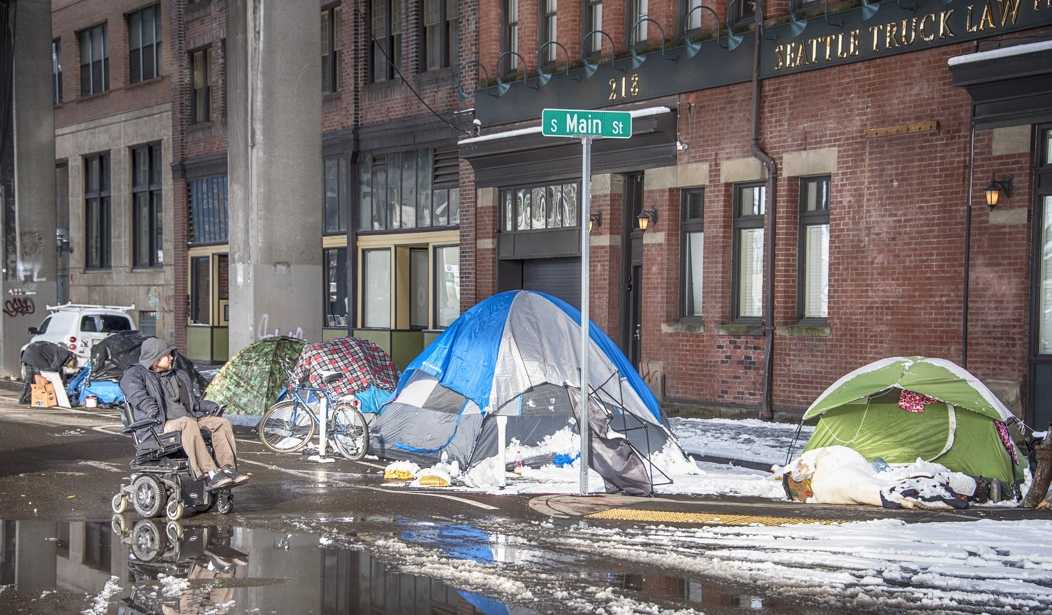
For years, Democrat leaders in major blue cities have insisted crime is “going down” while ordinary residents increasingly feel less safe walking their own neighborhoods. And nowhere is that growing frustration more visible than in cities like Seattle and Los Angeles, where many Americans say reality on the streets looks very different from the polished statistics presented at press conferences.
In Seattle, fed-up residents are reportedly beginning to take crime prevention into their own hands as confidence in local leadership and law enforcement response continues to erode. The growing anger reflects a broader pattern playing out across several Democrat-run cities where people feel abandoned by policies that critics say prioritize criminals over law-abiding citizens.
Meanwhile in Los Angeles, Mayor Karen Bass continues pointing to data suggesting crime rates are improving. But for many residents, those numbers feel disconnected from everyday life, especially as reports of home invasions, retail theft, homelessness, and dangerous street takeovers continue dominating local conversations.
Apparently if enough spreadsheets say crime is down, people are just supposed to ignore the helicopters circling overhead and the viral videos flooding social media every night. Problem solved, right?
Street takeovers in Los Angeles have become so frequent that many residents now view them as almost routine. Entire intersections are shut down by reckless drivers performing stunts while crowds gather around them, often overwhelming police response efforts. At the same time, home invasions and brazen theft incidents have fueled concerns that criminals no longer fear consequences.
Seattle has faced similar criticism after years of controversial policing debates, budget fights, soft-on-crime policies, and public safety disputes that many residents believe weakened law enforcement’s ability to maintain order.
The result has been growing distrust between communities and city leadership, with more citizens feeling they must personally protect their homes, neighborhoods, and businesses because government institutions are failing to do so effectively.
Critics argue many progressive leaders spent years demonizing police departments, pushing anti-enforcement rhetoric, and reducing support for officers — only to act surprised when recruitment dropped, morale collapsed, and response times worsened.
Of course, city officials often defend their approaches by citing statistical improvements and reform efforts. But voters tend to trust what they see with their own eyes over carefully crafted political messaging.
And for many families living in these cities, safety isn’t an abstract political debate. It’s whether they feel comfortable walking outside at night, letting their kids play in the neighborhood, or wondering if their business will still have windows intact by morning.
As frustration continues building, the political consequences may become harder for Democrat leaders to ignore. Americans across the country increasingly appear to be demanding something simple: safe streets, accountability for criminals, and leaders willing to prioritize public safety over ideological experiments.
Because at the end of the day, people don’t want excuses or talking points — they just want their communities back.