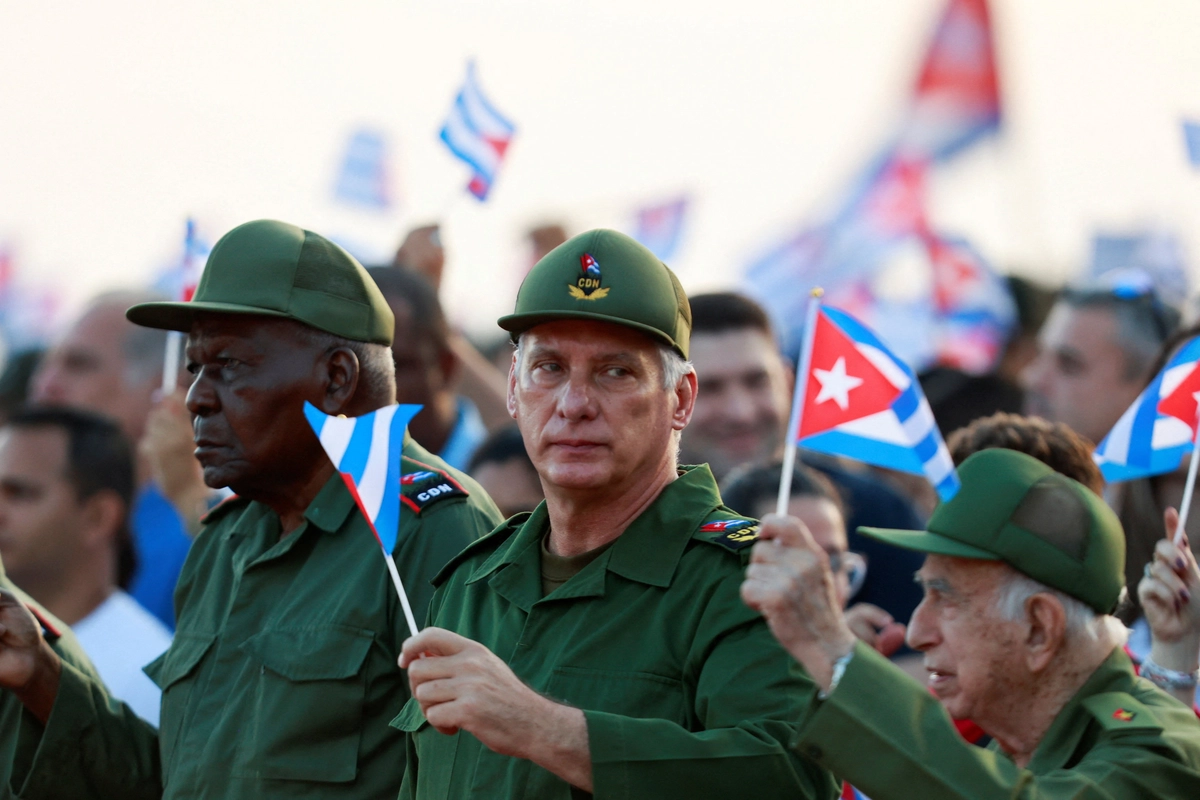
The Trump administration announced a new round of sanctions Thursday targeting Cuban leader Miguel Díaz-Canel, members of his family, and several key organizations tied to Cuba’s government, marking the latest escalation in Washington’s pressure campaign against the island’s communist leadership.
The sanctions, imposed by the U.S. Treasury Department, freeze any assets the designated individuals or entities may hold within U.S. jurisdictions and prohibit Americans from conducting business with them.
Among those sanctioned are Díaz-Canel, his wife Lis Cuesta Peraza, Alejandro Castro Espín—the son of former Cuban leader Raúl Castro—and Castro Espín’s son. The measures also target Cuba’s Defense Ministry, the Institute for Friendship with the Peoples, the state travel agency Amistur Cuba, and the Committees for the Defense of the Revolution.
The action follows President Donald Trump’s signing of Executive Order 14404 in early May. The order expanded the administration’s authority to sanction individuals and entities involved in activities viewed as contributing to repression or threatening U.S. national security and foreign policy interests. It also allows for secondary sanctions against foreign organizations that support the Cuban government.
The sanctions come as Cuba faces mounting economic difficulties. Recent U.S. measures have limited oil shipments to the island, contributing to widespread blackouts, food shortages, and growing economic strain.
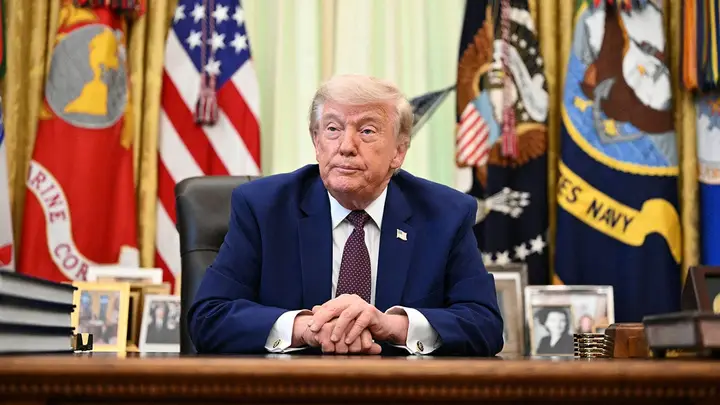
Speaking at an Oval Office event, President Trump highlighted the challenges facing Cuba while emphasizing the island’s potential.
“The country is starving, and it’s got no energy, it’s got no oil, it’s got no money, it’s got nothing. It’s got a beautiful piece of land,” Trump said. “You could have beautiful resorts.”
Trump also suggested that greater economic openness could change Cuba’s future, though he did not announce any additional measures during Thursday’s remarks.
Secretary of State Marco Rubio defended the sanctions, arguing that the targeted individuals and organizations play significant roles in supporting the Cuban government and its activities.
“Those designated today direct or fund the regime and its efforts to mobilize its radical revolutionary movements in the United States and around the world,” Rubio said in a statement.
Cuban officials quickly condemned the move. Díaz-Canel responded on social media, describing the sanctions as harmful to the Cuban people and accusing the United States of increasing pressure on the island.
Foreign Minister Bruno Rodríguez also criticized the measures, stating that attempts to create conflict between the two countries would fail and pledging continued resistance to outside pressure.
Díaz-Canel has led Cuba since succeeding Raúl Castro in 2018 and has overseen a period marked by worsening economic conditions and growing domestic challenges. With the latest sanctions now in place, tensions between Washington and Havana appear set to remain a major issue as the administration continues its efforts to increase pressure on the Cuban government.