When a sitting U.S. senator publicly says her own party is running on outdated leadership models, it is not a talking point — it is a warning flare.
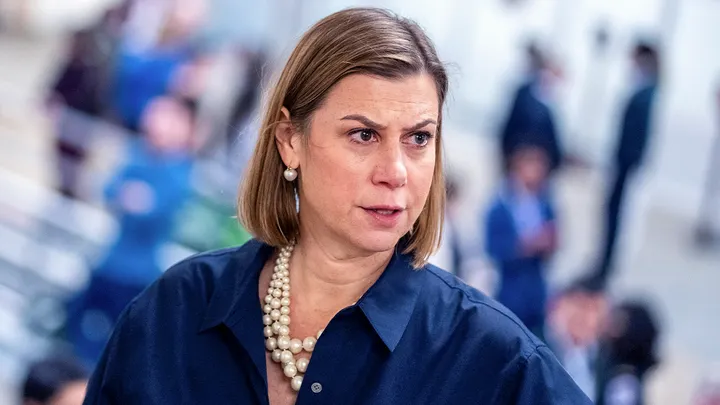
Sen. Elissa Slotkin, D-Mich., is openly calling for “new leadership” inside the Democratic Party, arguing that Democrats have not fully recovered from their 2024 election losses and are still searching for a political direction that actually works.
Her comments came during an appearance on SiriusXM’s “Straight Shooter” with host Stephen A. Smith, where she described a party locked in internal debate and struggling to find its footing.
“Every day there’s a debate within the party about the path forward,” Slotkin said.
Then she delivered the line that is already reverberating through Washington.
“That’s why I believe we need significant new leadership. The old models are no longer working, and that includes the Democratic Party,” she added.
That kind of statement from an elected Democrat does not land in a vacuum.
It lands in a political environment where Democrats have spent years promising stability, unity, and electoral strength — only to emerge from major contests still wrestling with messaging, leadership questions, and ideological direction.
Slotkin’s remarks reflect what many voters already sense: the party’s internal coalition is increasingly fragmented between establishment figures, progressive activists, and a shrinking center trying to hold both sides together.
And when even sitting senators start saying the current structure is failing, the question becomes less about disagreement and more about durability.
Republicans have long argued that Democrats are governed less by a unified agenda and more by competing political factions that shift depending on the election cycle. Slotkin’s comments add a rare moment of internal confirmation from within the party itself.
The timing also matters.
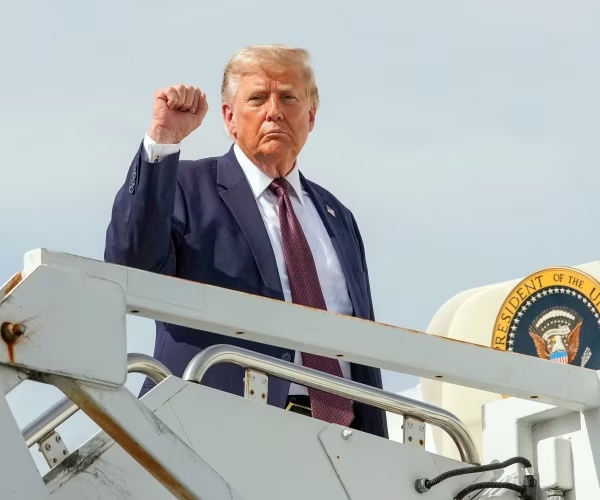
With Donald Trump back at the center of national politics and the America First movement continuing to shape voter priorities on border security, the economy, and foreign policy, Democrats are under renewed pressure to define what they stand for — not just what they stand against.
But Slotkin’s critique suggests that internal disagreement may still be the party’s biggest obstacle.
Because when “new leadership” becomes the conversation inside your own ranks, it usually means voters are already ahead of you.