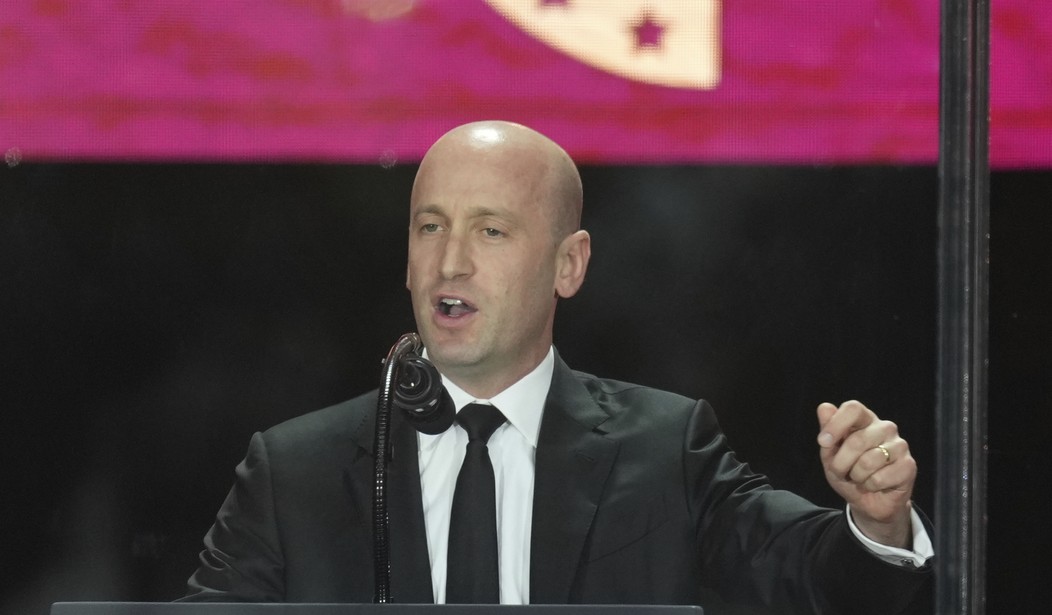
Senior White House adviser Stephen Miller delivered an unapologetic and forceful defense of the operation that captured Venezuelan dictator Nicolás Maduro and his wife, Cilia Flores, making it clear that the United States acted decisively to protect American interests — no hedging, no hand-wringing, and certainly no apologies.
During a tense televised interview, Miller dismissed the suggestion that Venezuelan opposition leader and Nobel Peace Prize recipient María Corina Machado could have realistically taken over the country in the immediate aftermath of Maduro’s removal. According to Miller, the idea that Venezuela’s military and security forces would instantly fall in line behind her was not just unrealistic — it wasn’t even a serious question.
The administration, he explained, made its decision based on reality, not wishful thinking. Stability matters, especially in a country hollowed out by corruption, narco-trafficking, and years of authoritarian rule.
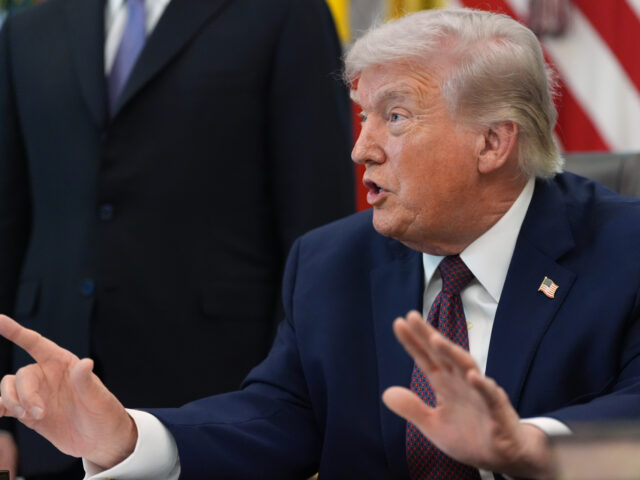
When pressed on whether immediate elections should be held, Miller made the administration’s position unmistakably clear. The United States, under President Donald Trump, is once again acting like a superpower — securing its interests in the Western Hemisphere without apology or hesitation. For decades, America was told to second-guess itself. Not anymore.
As the exchange grew sharper, Miller called out the familiar media framing that insists the U.S. must demand instant elections everywhere, regardless of conditions on the ground. That mindset, he argued, has weakened America and empowered bad actors around the world.
When the interviewer characterized the operation as an invasion, Miller didn’t flinch.
“Damn straight we did,” he shot back, emphasizing that the United States will not tolerate communist dictators exporting drugs, weapons, and criminal networks into America while aligning themselves with hostile foreign powers.
Notably absent from the criticism was any acknowledgment that Maduro was never a legitimate leader, or that the operation was a targeted, precision strike rather than a broad military invasion. But that omission didn’t slow Miller down.
He made clear that the administration is developing a structured plan to stabilize Venezuela, rejecting naïve demands to prop up opposition figures without real institutional support. The priority, he said, is restoring order and preventing Venezuela from remaining a criminal hub threatening U.S. security.
Miller closed by calling the capture of Maduro one of the most significant foreign policy and military achievements in modern American history — a moment that signals the return of strength, clarity, and resolve in U.S. leadership.
And for a country long tired of watching America apologize for defending itself, that’s a welcome change.