The Supreme Court issued two important procedural orders Monday involving Voting Rights Act cases out of Mississippi and North Dakota, signaling that lower courts may need to rethink previous rulings following the Court’s recent decision in Louisiana v. Callais.
The cases themselves were not decided on the merits, but the Court chose to “GVR” both of them — legal shorthand for granting review, vacating the lower court decisions, and remanding the cases back for further consideration. In other words, the Supreme Court essentially hit the reset button and told lower courts to take another look under the updated legal framework established in the Louisiana ruling.
That may sound technical, but the move could have major implications for future Voting Rights Act litigation across the country, particularly in cases involving district maps and election law disputes.
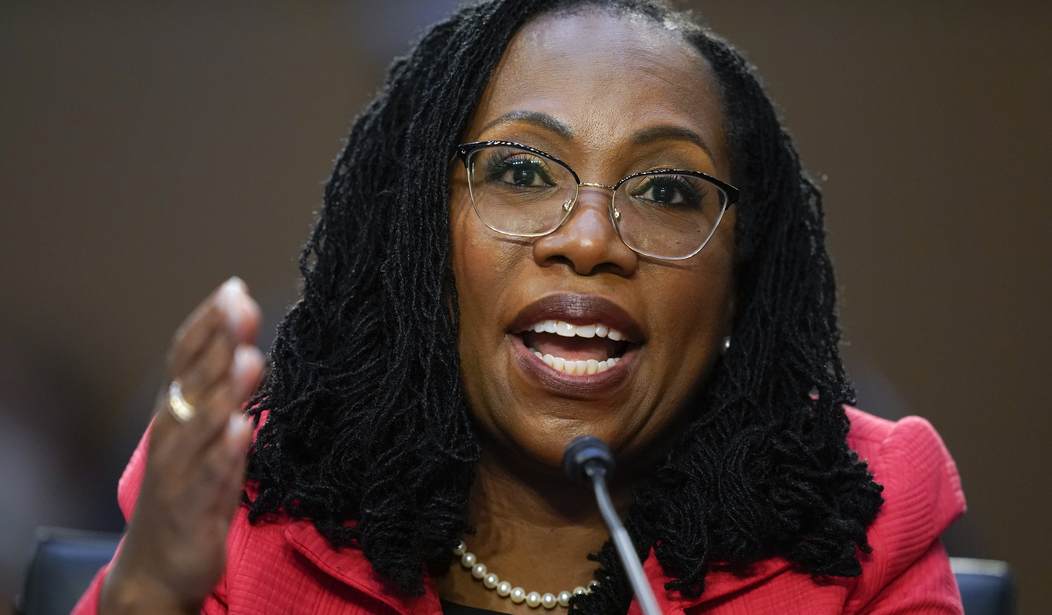
The orders also reportedly sparked frustration from Justice Ketanji Brown Jackson, who has often aligned with the Court’s liberal wing on voting rights issues. Her reaction highlights the continuing divide on the Court over how aggressively federal courts should intervene in state election matters.
Conservatives have long argued that many modern Voting Rights Act lawsuits are increasingly being used as political tools to force favorable district maps and reshape elections through the courts rather than through voters or state legislatures.
The Supreme Court’s decision to send these cases back suggests the justices want lower courts to apply the standards from Louisiana v. Callais more carefully before allowing major election-related rulings to stand.
Naturally, critics are already framing every procedural move as some kind of constitutional apocalypse — because apparently even sending a case back for reconsideration now qualifies as democracy ending. Washington drama never disappoints.
Still, for supporters of judicial restraint and clearer constitutional standards, Monday’s orders represent another sign that the Court is taking a more cautious approach to election law disputes instead of rubber-stamping politically charged rulings.
As these cases move back through the lower courts, they could play a significant role in shaping future battles over redistricting, voting rights claims, and the balance of power between federal courts and state governments.