Campaign season has a way of revealing priorities.
Some candidates run on accomplishments. Some run on ideas. And some spend their early energy trying to define their opponent before voters define them for themselves.
That appears to be where Texas’ emerging 2026 Senate battle is headed.
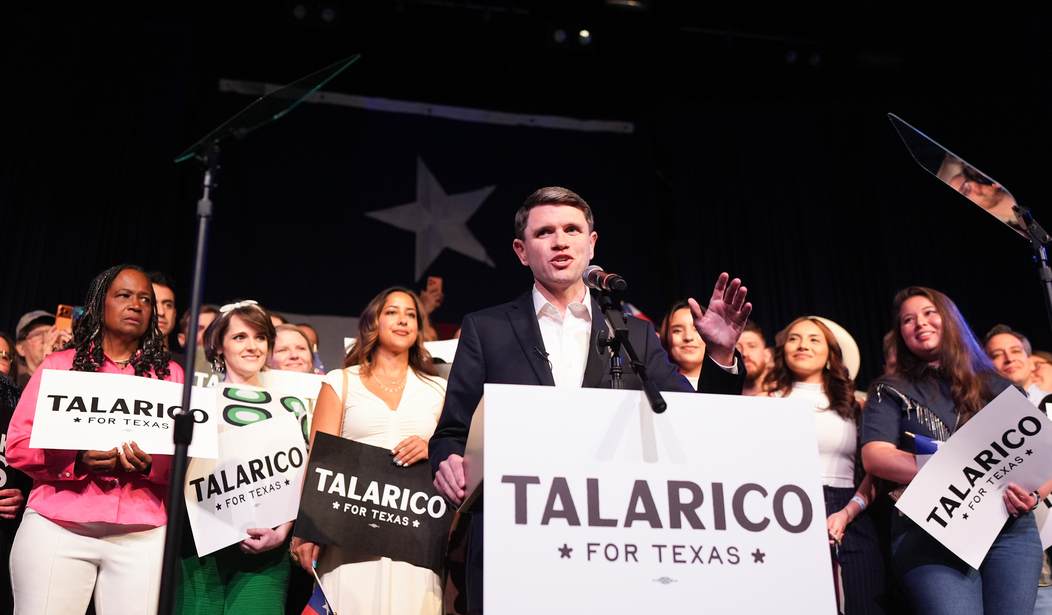
Democrat James Talarico is making an aggressive effort to position himself as a relatable, everyday voice for Texas voters as he prepares for a high-profile midterm matchup against Republican nominee and Texas Attorney General Ken Paxton.
Part of that strategy has included sharp messaging aimed directly at Paxton — including circulation of a clip that critics say presents the Republican in a misleading way.
The dispute is not simply about one video.
It reflects a broader political pattern Texans have seen before: candidates attempting to build distance from their own record or policy debate by turning personality and edited moments into the central campaign message.
Talarico’s political brand has often leaned on accessibility and cultural familiarity, presenting himself as a different kind of Democrat in a state that continues to reward candidates who speak the language of independence and local identity.
But Texas campaigns have a habit of becoming less about branding and more about contrast.
Paxton enters the race as one of the most recognizable Republican figures in the state — a longtime conservative fighter closely associated with legal battles over border security, federal overreach, election issues, and challenges to progressive policy priorities.
That makes the stakes larger than a typical Senate contest.
Republicans will likely frame the race as a choice between Texas-style conservatism and a Democratic movement increasingly shaped by national messaging. Democrats, meanwhile, appear eager to turn Paxton himself into the issue.
Whether voters respond to edited campaign moments or demand something deeper remains to be seen.
But Texas elections tend to reward candidates who make a case for where they want to take the state — not just who they want voters to dislike.
And in a state that prides itself on directness, campaigns built more on image management than persuasion usually face a harder test once voters start paying attention.