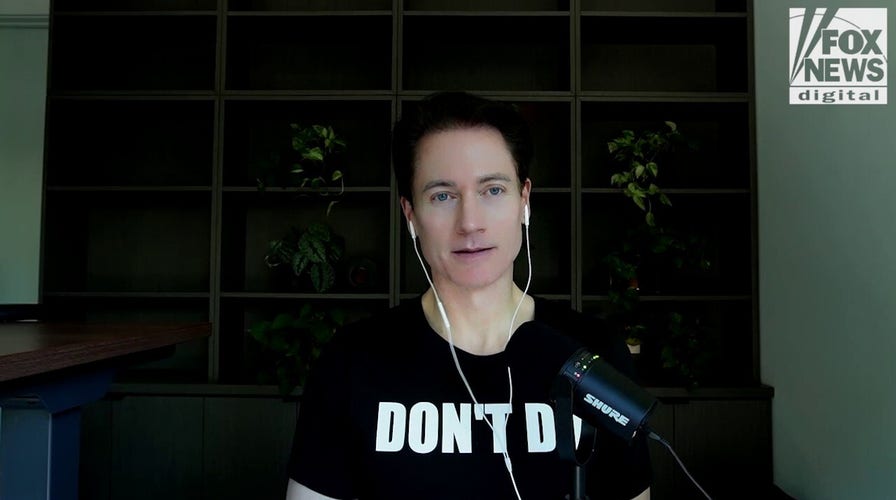
In a stark reminder that even vast wealth and cutting-edge technology cannot outwit fundamental biology, Bryan Johnson, the self-proclaimed 'longevity guru' who vowed humanity might not die, has received a deeply ironic diagnosis. The tech mogul, who spends millions annually in his quest to achieve the organs of an 18-year-old and live to 160, now faces an autoimmune condition where, in his own words, 'my stomach is eating itself.'
Johnson, a 48-year-old Los Angeles entrepreneur, has long been a public figure in the 'biohacking' community, famously aspiring to live until 2140 and proclaiming 'immortality' as his goal by 2039. He has detailed a strict regimen, AI-driven research, and experimental treatments aimed at reaching 'longevity escape velocity'—where medical advances would extend life faster than he ages. Yet, the body he so meticulously attempts to control has presented an undeniable challenge from within.
The diagnosis is autoimmune gastritis (AIG), a chronic condition where his own immune system mistakenly attacks the stomach’s acid-producing parietal cells. This attack reduces stomach acid and impairs vitamin B12 absorption, leading to a cascade of health issues. It's a cruel twist for someone so focused on external controls and optimal performance.
Johnson's journey to this diagnosis sheds light on a common sense truth often overlooked in the rush for technological solutions: our past choices shape our present reality. He admits to a childhood filled with sugary cereal, soda, and fast food. Later, the stress of building a business led to weight gain and 'a deep, chronic depression.'
"Somewhere in that timeline, my body began developing an autoimmune process affecting my thyroid and then my stomach lining," he revealed. This slow, insidious progression, which Johnson estimates affects 2% to 5% of the population, often remains hidden for years.

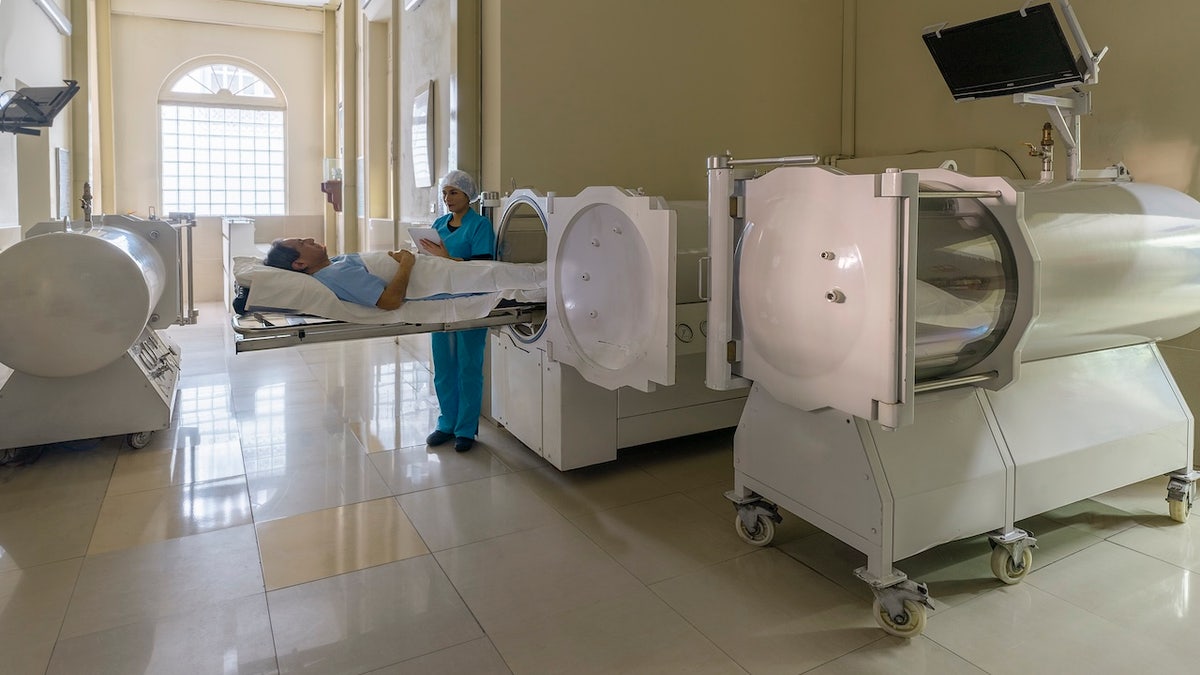
For over a decade, Johnson struggled with low ferritin levels, a protein crucial for iron storage. Despite his rigorous diet and supplement regimen, his body refused to absorb the iron. "We continually tried to raise my iron levels with food and supplementation, but nothing would work," he said. Ironically, many of his advanced biohacking techniques—including hard training, sauna, and hyperbaric oxygen—actually increase the body’s demand for iron, potentially masking the deeper problem.
The truth finally emerged after a colonoscopy, upper endoscopy, and five stomach biopsies, which confirmed "clear signs of early autoimmune gastritis: early atrophy confined to the acid-producing lining." It was a 'blind spot' that hid his condition for a decade, precisely because common indicators like anemia hadn't yet fully manifested.

There is currently no known cure for AIG, but Johnson, ever the optimist, declares he intends to change that. "In the age of AI, multiomics, and custom-built DNA, proteins and cells, no condition should be presumed incurable simply because no one has yet tried to cure it with today’s stack," he stated, echoing a technocratic belief that every problem has a high-tech fix.

"I may fail at this task, but my team and I will try our best," he added. His ambition remains undimmed, yet the story serves as a potent reminder for all Americans: while the pursuit of scientific advancement is commendable, true health and longevity often stem from fundamental principles of self-care and recognizing our natural human limits. The relentless push for 'immortality' might obscure the more profound wisdom of simply caring for the precious life we are given.
As Johnson himself concluded, urging others to prioritize their health, "Care for yourself, care for others, care for the planet and care for our animal friends. Care for life, as it’s the most precious gift there is." A powerful sentiment, perhaps made more profound by the reality check delivered by his own miraculous, yet fragile, human body.