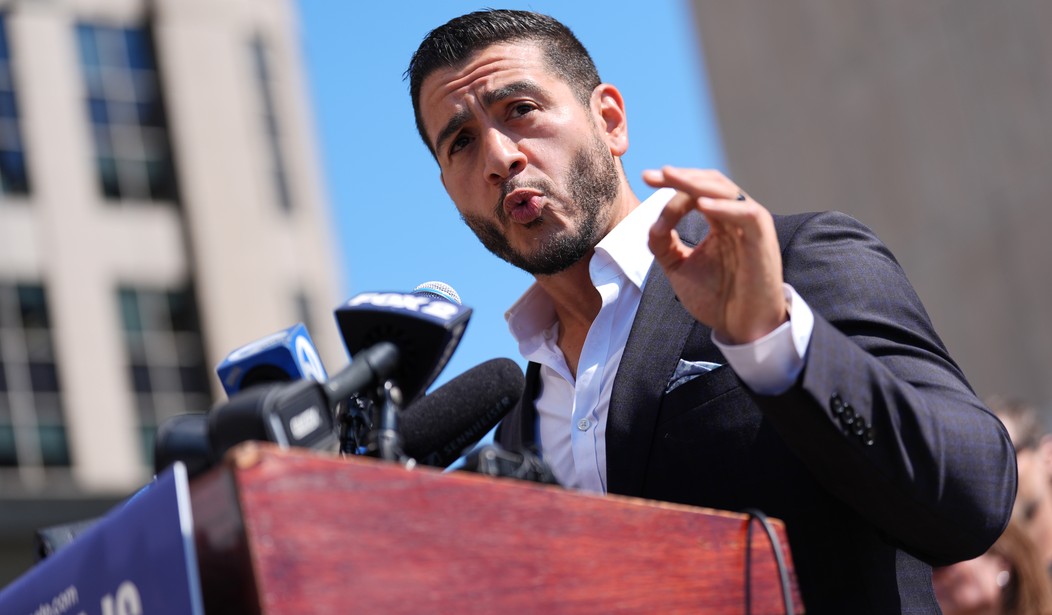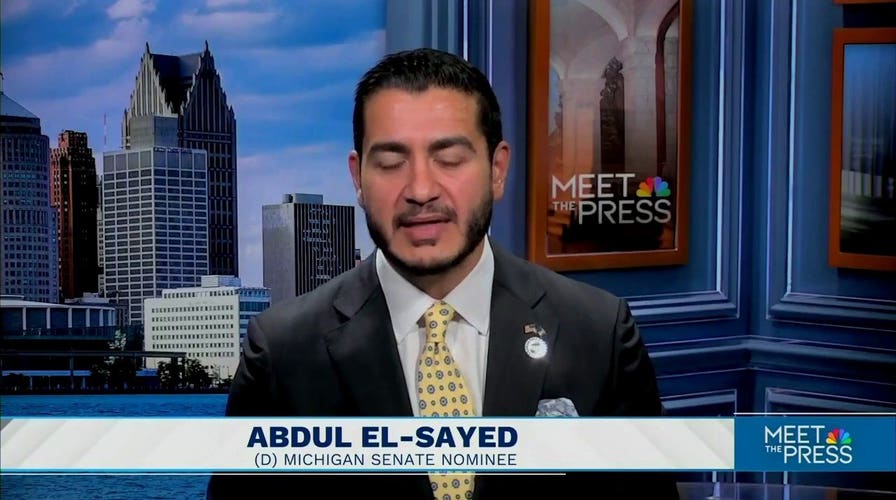
Michigan Democrat Abdul El-Sayed's recent appearance on "Meet the Press" offered a rare moment of candor for a progressive candidate. While vigorously pushing for "Medicare for All," El-Sayed effectively conceded what conservatives have long warned: universal healthcare isn't "free," and it will inevitably mean higher taxes for nearly every American, regardless of income bracket.
NBC News host Kristen Welker pressed El-Sayed on the financial implications of his universal healthcare proposal and whether Americans should indeed anticipate footing a larger tax bill to make such a system possible.
El-Sayed initially attempted to redirect the conversation to taxing billionaires, a common progressive talking point. However, he quickly pivoted, seemingly conceding that even Americans earning under $1 million would face increased tax burdens. This isn't just a "little bit more" when working families are already grappling with the crippling effects of Bidenflation.

The Democrat candidate then tried to frame this unavoidable tax hike as a "trade-off." He suggested that instead of paying exorbitant premiums to health insurance companies, whose CEOs supposedly rake in "$20 million a year," Americans would simply pay "a little bit more in taxes." The implication is clear: trust the government with your money, not the private sector. This convenient narrative ignores the proven track record of government-run healthcare systems, which often lead to longer wait times, fewer choices, and a general decline in quality, as observed in countries across the globe.
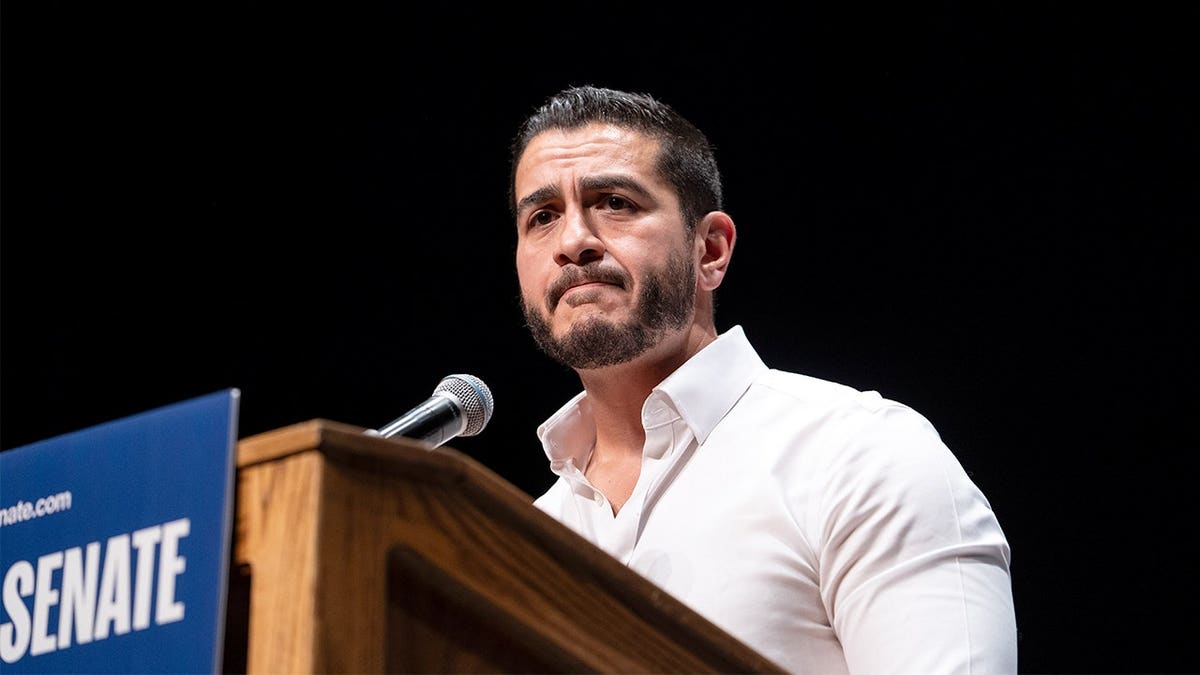
Michigan Democratic Senate candidate Abdul El-Sayed suggested that Americans would be willing to pay "a little bit more in taxes" for healthcare.
Welker, pressing for absolute clarity, directly asked El-Sayed if his proposal meant taxes would unequivocally go up for anyone who wasn't a millionaire. While the candidate once again avoided a direct "yes," his response reaffirmed the core issue, stating, "I'm saying that we'd be paying for healthcare in a different way." He doubled down on preferring to pay into a government system, which, he claims, "provides healthcare for seniors who need healthcare the most." This convenient omission ignores the inefficiencies and sprawling bureaucracy that inevitably accompany government-controlled healthcare.
Michigan Republican Senate nominee Mike Rogers wasted no time in highlighting the absurdity of El-Sayed's admission, taking to social media to expose the hypocrisy inherent in the progressive platform. Rogers' post perfectly encapsulates the common-sense conservative critique: "Weird. I thought Abdul's campaign promise was more money in your pocket. This sounds a lot like more money for the government." Because of course, the promise of "free" is always paid for by someone else's pocket, and that someone is invariably the American taxpayer.
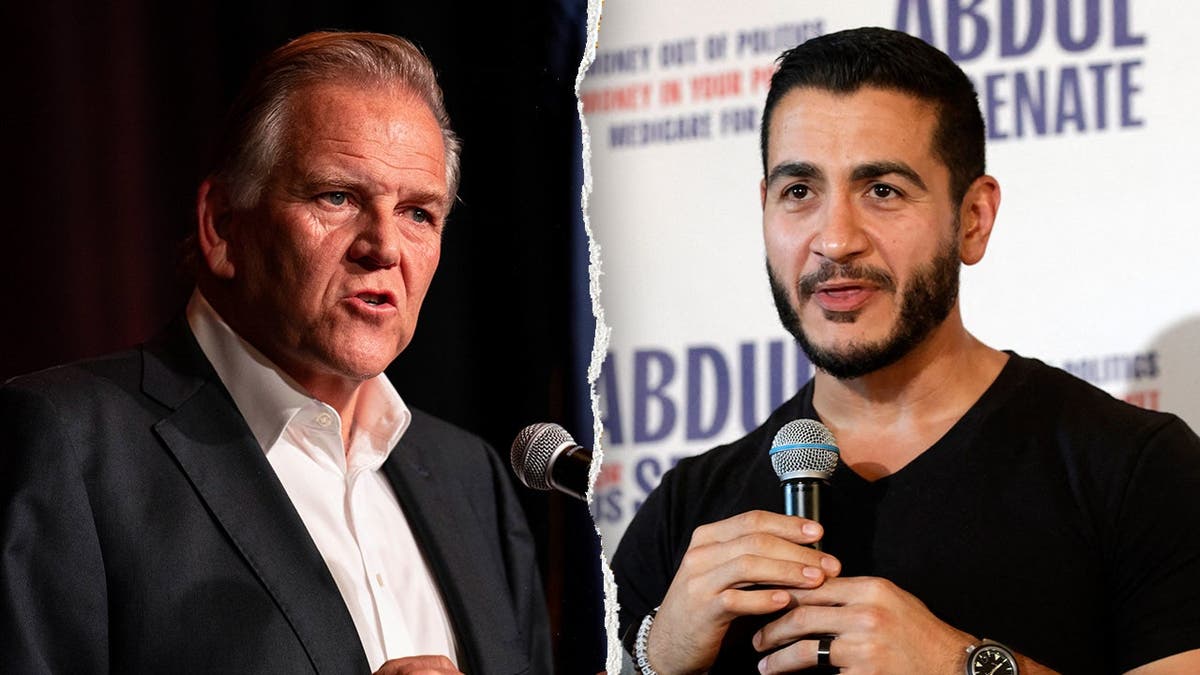
Republican Senate nominee Mike Rogers criticized Abdul El-Sayed's comments in an X post.
El-Sayed's dismissive and arrogant response to Rogers, calling him "habibi" and questioning his intelligence, showcases the radical left's increasing tendency to resort to personal attacks rather than engage in substantive policy debate.
El-Sayed's recent primary victory, despite campaigning with controversial far-left figures like Twitch streamer Hasan Piker and openly supporting policies such as Medicare for All and taxing billionaires, comes with the curious insistence that he is "not a socialist." This semantic game, however, does not fool anyone who understands the foundational principles of economic freedom and the true cost of big government programs.
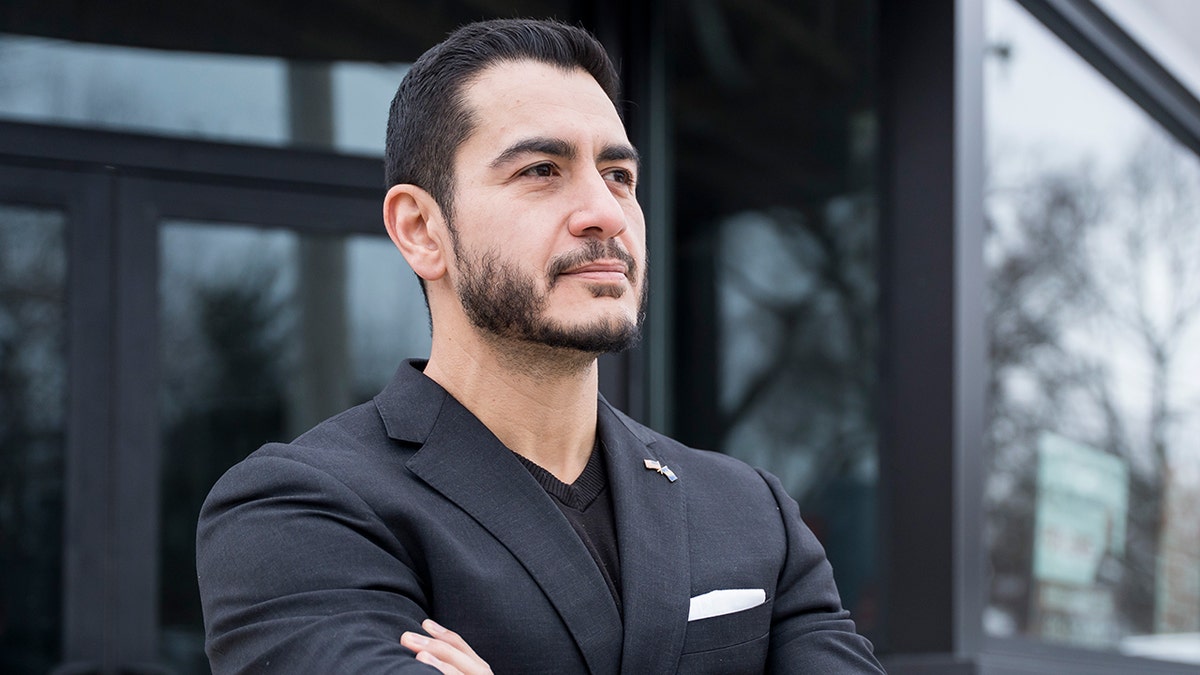
Michigan Senate candidate Abdul El-Sayed has denied being a socialist despite supporting universal healthcare and taxing billionaires.
Even some establishment Democrats are sounding the alarm. Julian Epstein, a former Hillary Clinton campaign strategist, expressed profound concern over the party's direction, stating, "The Democrats have gone off the deep end... the lunatics are in charge of the asylum." This highlights the growing chasm within the Democratic Party as it careens further left, prioritizing radical ideologies over pragmatic, common-sense governance.
Political analyst Eric Ham further reinforces this internal struggle, describing El-Sayed's victory as part of a larger, ongoing "coup" by the Democratic Socialists of America (DSA) to seize control of the party. This internal battle suggests that the radical agenda espoused by figures like El-Sayed is likely to gain even more traction, further alienating mainstream Americans who value fiscal responsibility and individual liberty.
The Michigan Senate race, therefore, becomes a critical battleground not just for a single seat, but for the very soul of the Democratic Party and the future of America's economic landscape. Americans deserve leaders who are transparent about the true costs of their grand schemes, rather than offering deceptive promises of "free" programs that inevitably lead to bigger government, higher taxes, and diminished freedom. This is precisely the kind of choice that defines the America First movement: empowering individuals and families, not bureaucrats and radical ideologues intent on dismantling American prosperity.