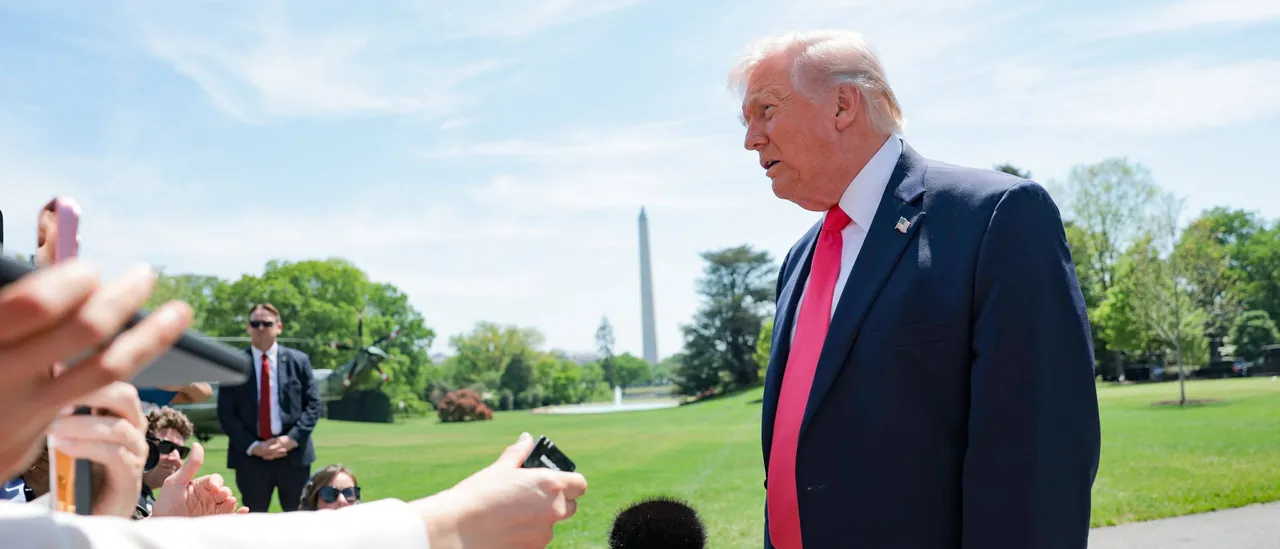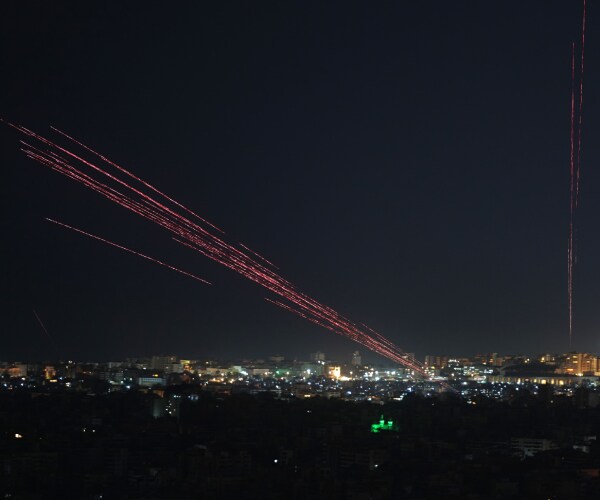
A 10-day ceasefire in Lebanon officially began Friday, marking a major step toward stabilizing a region that has been rocked by weeks of intense conflict. The agreement, announced by President Donald Trump, aims to pause fighting between Israel and the Iranian-backed Hezbollah militant group—because when it comes to getting both sides to the table, it turns out strong leadership still matters.
Celebrations broke out in Beirut as the truce took effect, with residents firing gunshots into the air at midnight. Displaced families quickly began returning to their homes, despite warnings from officials to proceed cautiously. After weeks of war, even a temporary pause is enough to spark hope.
It’s worth noting that while the ceasefire is described as being between Israel and Lebanon, the real conflict has been between Israel and Hezbollah militants operating within the country. Hezbollah, unsurprisingly, wasn’t exactly lining up to sign paperwork—but the pressure created by ongoing negotiations clearly played a role in bringing about this pause.
Israeli Prime Minister Benjamin Netanyahu agreed to the ceasefire as part of broader peace efforts, though he made it clear that Israeli troops are staying put, maintaining a security zone extending about six miles into southern Lebanon. In other words, peace—but with caution. Given the circumstances, not exactly unreasonable.
Under the agreement, Israel retains the right to defend itself against any threats, while refraining from offensive operations against Lebanese targets. Of course, Hezbollah has already hinted it would respond to any Israeli strikes, so the situation remains… delicate, to say the least.
The ceasefire didn’t come easily. It followed direct diplomatic engagement between Israel and Lebanon—the first in decades—along with a flurry of calls from President Trump and Secretary of State Marco Rubio. Behind-the-scenes efforts, including mediation involving Pakistan, helped push the deal forward. Funny how diplomacy suddenly becomes effective when backed by real leverage.
Trump has already invited leaders from both Israel and Lebanon to the White House, calling it an opportunity for the first meaningful talks between the nations since the 1980s. He expressed confidence that both sides want peace—and, for once, that optimism doesn’t sound misplaced.
Meanwhile, the ceasefire is also tied to broader negotiations involving Iran and the United States, with signs pointing toward a possible extension if talks continue progressing. The administration has kept pressure on Tehran through sanctions and a naval blockade, reinforcing the message that diplomacy works best when backed by strength.
The stakes couldn’t be higher. The conflict has claimed thousands of lives across the region and disrupted global markets, particularly through instability in the Strait of Hormuz—a critical route for the world’s oil supply. Yet even amid these challenges, there are clear signs of progress.
Yes, tensions remain. Yes, the situation could shift at any moment. But for now, the guns have quieted, diplomacy is moving, and a path—however fragile—has opened.
And once again, it’s becoming clear: when America leads with strength, the world has a way of following.