In a dramatic eleventh-hour development, the United States and Iran agreed to a two-week ceasefire just moments before President Donald Trump’s deadline to unleash devastating military force expired. The deal includes Iran temporarily reopening the critical Strait of Hormuz — a move with massive implications for global trade and energy markets.
After more than a month of intense strikes by the United States and Israel, Iran quickly framed the ceasefire as a victory. But let’s be honest — when you’re reopening one of the world’s most vital oil routes under pressure and agreeing to talks, it’s not exactly a sign you’re calling the shots.
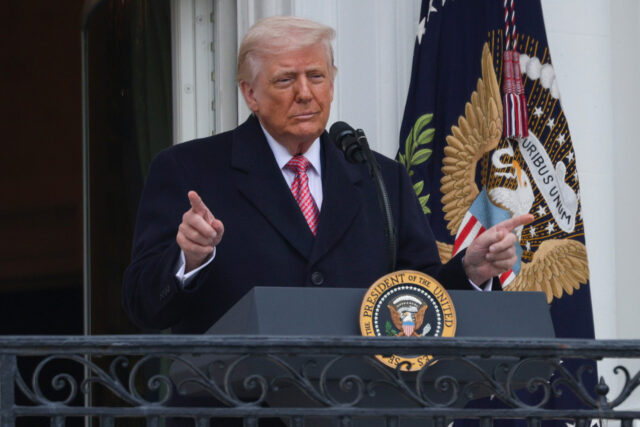
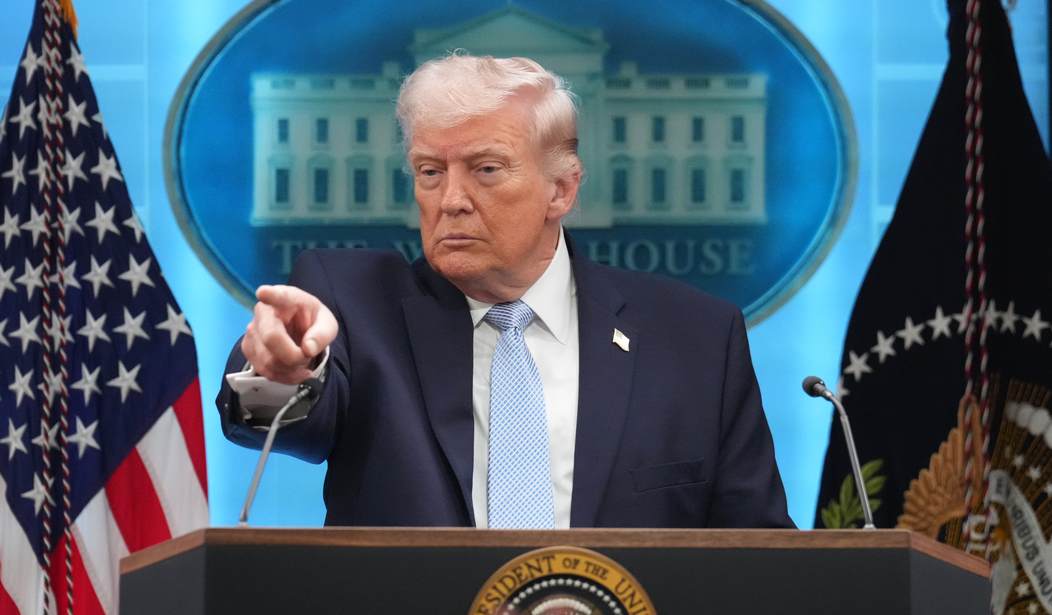
President Trump made it clear what drove the breakthrough. He revealed that Pakistan’s leadership requested a pause in the planned military action, prompting him to hold back what he described as a powerful strike. Trump agreed to suspend operations for two weeks — but only if Iran complied with the full, immediate, and safe reopening of the Strait of Hormuz. In other words: meet the conditions, or face the consequences. Simple.
The White House didn’t mince words about the outcome. Press Secretary Karoline Leavitt called the agreement a major victory for the United States, crediting Trump and the military for achieving — and even exceeding — core objectives in just 38 days under Operation Epic Fury. According to her, that success created the leverage needed to push Iran into negotiations and open the door to long-term peace. Funny how strength tends to do that.
Iranian Foreign Minister Abbas Araghchi confirmed that ships would have safe passage through the Strait for the next two weeks, stating that Iran would halt its defensive operations if attacks stopped. Meanwhile, Pakistan’s Prime Minister Shehbaz Sharif announced the ceasefire would take effect immediately, highlighting his country’s role as a key mediator.
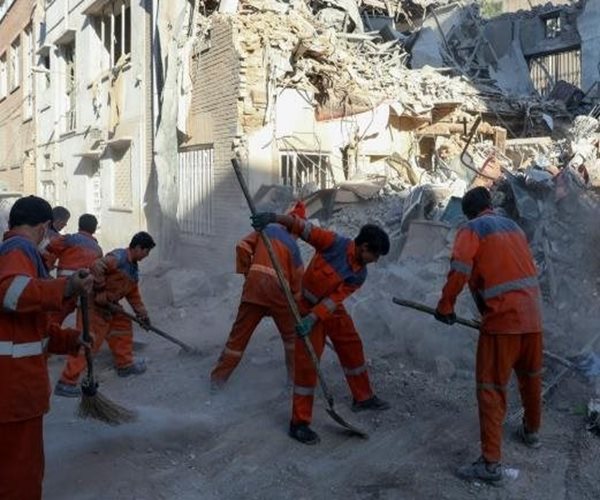
On the ground, however, the situation leading up to the agreement was anything but calm. U.S. and Israeli forces launched strikes on key infrastructure, while Iran responded with missile and drone attacks across the region. Civilian casualties and damage were reported in multiple countries, underscoring just how high the stakes had become before the deal was reached.
The economic impact was immediate. Oil prices dropped sharply by more than 17% following the announcement, offering relief after weeks of rising costs that had been hitting Americans at the pump. Stock markets in Asia also surged, reflecting renewed optimism now that tensions have temporarily eased.
Trump indicated that negotiations for a longer-term agreement are already well underway, noting that Iran has proposed a 10-point plan he described as “workable.” While Tehran’s public demands include lifting sanctions and asserting control over the Strait, the fact that discussions are happening at all speaks volumes about the pressure applied.
Critics were quick to point at Trump’s aggressive rhetoric leading up to the deadline, including warnings that escalated tensions dramatically. But in the end, it was that same hardline approach that brought Iran to the negotiating table — a familiar pattern that continues to define his leadership style.
For now, the guns are silent, the Strait is open, and diplomacy has a window to succeed. And once again, President Trump has shown that projecting strength can turn even the most volatile situations into an opportunity for peace.