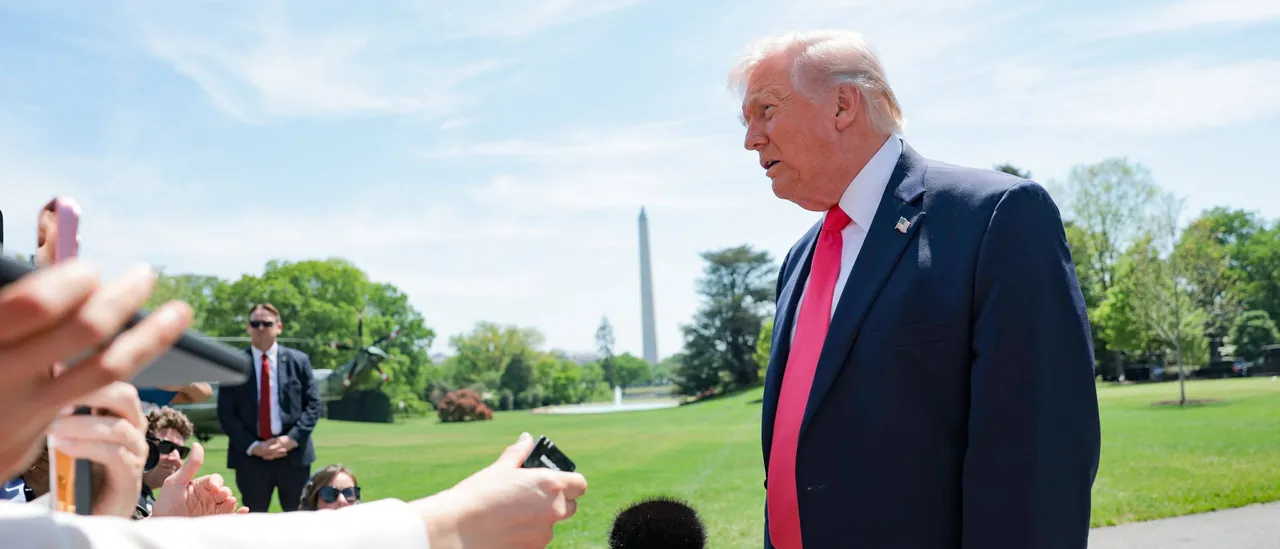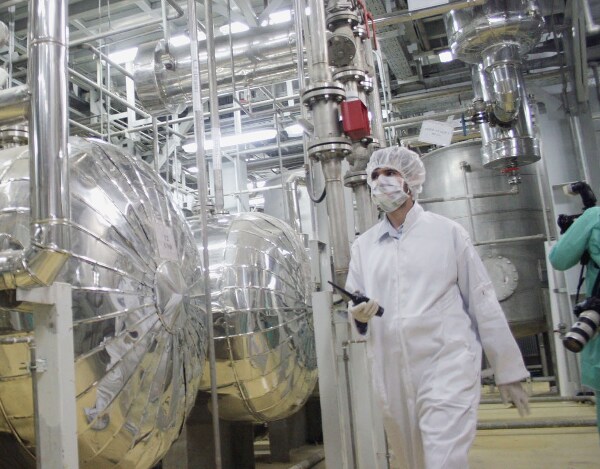
President Donald Trump announced Thursday that the United States is “very close” to securing a peace deal with Iran—and in a major development, said Tehran has agreed to hand over its enriched uranium. Yes, that same uranium that’s been at the center of global concern for years. Not exactly a small detail.
According to Trump, the potential agreement would mark a critical step toward eliminating Iran’s ability to develop nuclear weapons. He referred to the enriched stockpile as “nuclear dust,” emphasizing its dangerous potential and making clear that removing it from Iran’s control is non-negotiable. And suddenly, after years of stalled diplomacy, things are moving. Interesting how that works.
The breakthrough comes after weeks of escalating pressure from the U.S., including threats of renewed airstrikes and a full naval blockade if Iran refused to cooperate. Defense Secretary Pete Hegseth made the stakes clear: comply, or face serious consequences. Turns out, that kind of clarity gets attention.
At the same time, the region is seeing movement on multiple fronts. A 10-day ceasefire between Israel and Lebanon has taken effect, with Trump expressing optimism that both nations’ leaders could soon meet at the White House. While tensions remain—because of course they do—there are signs that diplomacy might finally be gaining traction.
Iran, for its part, has publicly struck a cautious tone, calling itself “optimistic” about the talks while still insisting its right to enrich uranium is “indisputable.” A familiar position—but notably softer when paired with the possibility of an actual agreement.
Behind the scenes, negotiations continue with international involvement, including efforts by Pakistan to facilitate further discussions. Vice President JD Vance has described the proposal as a “grand bargain,” aimed at ending the conflict and resolving decades of nuclear tensions once and for all.
Meanwhile, the U.S. has not let up on pressure. Sanctions on Iran’s oil sector have intensified, and a maritime blockade has already disrupted key trade routes, including the vital Strait of Hormuz. The message is unmistakable: America is serious, and it’s not backing down.
Critics, as expected, are raising concerns about escalation and long-term risks. But here’s the reality—peace through strength isn’t just a phrase, it’s a strategy. And right now, it appears to be working.
If this deal goes through, it could represent one of the most significant foreign policy wins in years—removing a major nuclear threat while stabilizing a volatile region. Not bad for an administration that critics love to underestimate.
For now, all eyes are on the final stages of negotiation. But one thing is clear: under President Trump, America is negotiating from a position of strength—and the world is taking notice.