Personnel is policy — and President Donald Trump just made another move that leaves little doubt about where his administration intends to go next.
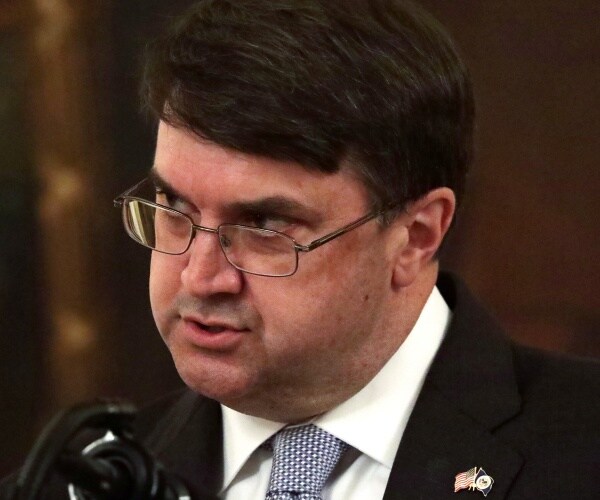
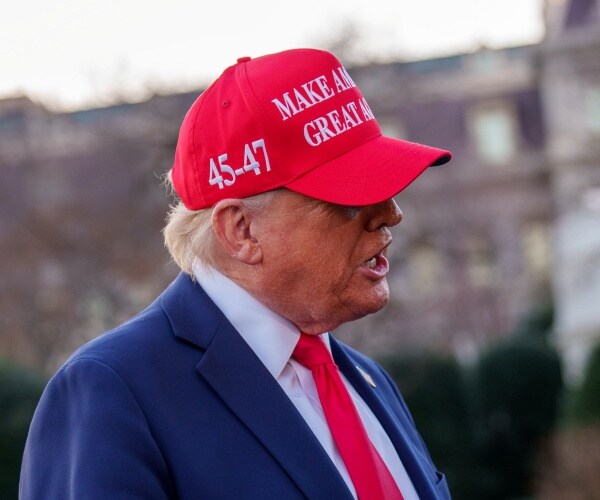
On Saturday, Trump announced that he is nominating Lance Schroyer, a former Oklahoma state trooper and U.S. Marine, to serve as the next director of Immigration and Customs Enforcement, placing a veteran law enforcement figure at the center of one of the administration’s most consequential priorities: restoring immigration enforcement and reinforcing the rule of law.
Trump revealed the decision on Truth Social and made clear what qualities drove the choice.
Schroyer is a “PATRIOT with real operational experience,” the president wrote, describing him as a “proven leader with DECADES of experience locking up the worst of the worst.”
That language was not accidental.
For years, immigration enforcement agencies became one of the clearest dividing lines in American politics. While progressive activists and open-border advocates pushed to weaken enforcement, limit detention, and reframe immigration violations as administrative inconveniences, Trump built his political movement around a different idea: a country that cannot enforce its laws cannot remain secure.
Schroyer’s background appears designed to reflect that approach.
A former Marine and longtime Oklahoma state trooper, Schroyer enters the spotlight with credentials rooted in field operations rather than bureaucracy — a contrast that Trump allies have repeatedly argued is necessary after years of institutional drift across federal agencies.
The nomination follows the departure of former ICE director Todd Lyons, who resigned at the end of May. Since then, David Venturella — a former executive in the private corrections industry — has been serving as acting director while the administration prepared a permanent replacement.
Leadership at ICE carries consequences far beyond Washington titles.
The agency sits at the center of deportation operations, immigration enforcement strategy, detention oversight, and the broader question of whether immigration law exists as an actual system of rules or merely a suggestion enforced selectively depending on politics.
Trump’s choice suggests the White House is not interested in softening that mission.
Supporters see the move as another step in rebuilding agencies around operational competence, public safety, and national sovereignty rather than public relations campaigns and activist pressure.
If confirmed, Schroyer will take over at a moment when immigration remains one of the defining issues in American politics — and with expectations from the administration that enforcement means enforcement.
For voters who backed Trump on promises of secure borders and restoring confidence in government authority, this nomination looks less like a personnel change and more like another signal that the America First agenda intends to keep moving.