Goodwill only works when both sides honor it. After Iran struck commercial vessels in the Strait of Hormuz, the Trump administration wasted little time making it clear that concessions come with conditions—and those conditions have now been broken.
The United States is revoking oil sanctions waivers previously offered to Tehran under a temporary diplomatic framework after Iranian forces attacked commercial shipping between Monday and Tuesday, according to a U.S. official. The move signals that President Donald Trump’s administration intends to back diplomacy with consequences rather than empty warnings.
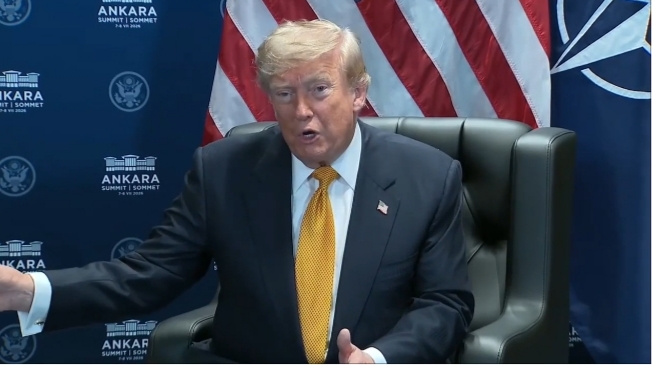
"As President Trump and the administration have repeatedly affirmed, the MOU in effect with Iran is entirely performance-based. Iran will only reap benefits if they exhibit good behavior," the official said, confirming that the Treasury Department's Office of Foreign Assets Control (OFAC) will revoke the sanctions waivers.
The official left little room for ambiguity.
"Iran’s actions in the Strait were wholly unacceptable to the United States and will be met with consequences. Our negotiators continue to work in good faith towards a final deal."
That framework agreement, signed in June, launched a 60-day negotiating period between Washington and Tehran. Under the memorandum of understanding, both nations agreed to halt military operations while pursuing a broader peace deal. Iran also committed to keeping the Strait of Hormuz open to commercial shipping in exchange for limited economic relief, including temporary oil sanctions waivers.
Instead, the world watched one of its most critical maritime corridors come under attack.
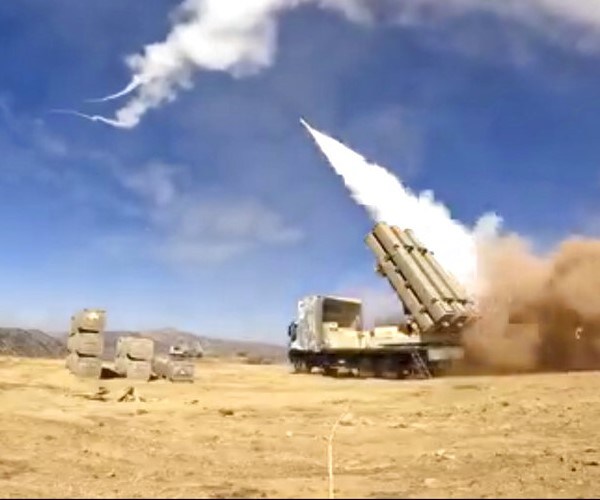
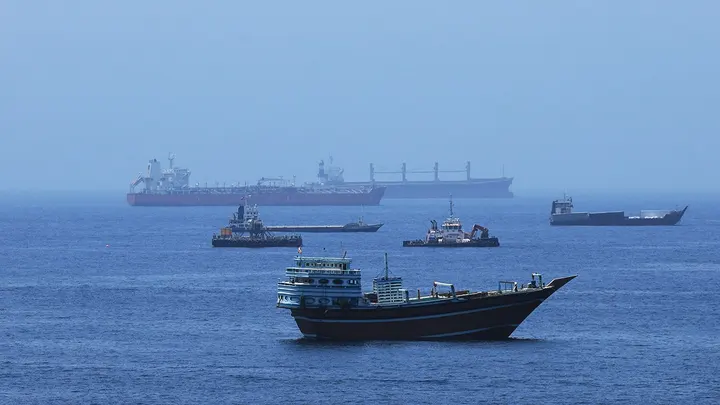
A U.S. official confirmed that three commercial vessels were struck between Monday and Tuesday. British maritime authorities said a vessel near the coast of Oman was hit by a projectile on Monday, causing a fire aboard the ship, though no fatalities were immediately reported. Iranian state media acknowledged the incident but asserted the vessel ignored repeated warnings from Iranian forces.
U.S. officials identified that ship as the Al Rekayyat, a Qatari liquefied natural gas carrier. According to Iranian state media, the tanker continued traveling along the southern route of the strait near Oman with U.S. assistance despite Iranian warnings.
A second vessel, the Saudi-flagged crude tanker Wedyan, also sustained damage near the Strait of Hormuz, a U.S. official confirmed. The exact cause of that damage has not yet been established. On Tuesday, the U.K. Maritime Trade Operations (UKMTO) reported another tanker had been struck by an unidentified projectile, resulting in structural damage but no casualties or environmental spill. Authorities continue investigating the incident while urging commercial vessels to exercise heightened caution.
The attacks came just days after President Trump publicly revealed that Washington had temporarily paused negotiations out of respect for funeral ceremonies following the death of Iran's Supreme Leader Ali Khamenei.
Speaking during a Fourth of July address at Mount Rushmore, Trump said Iran was "dying to settle" after months of sustained military pressure. He also explained why negotiations had briefly slowed.
"We gave them a week off for a funeral because we're nice," Trump said.
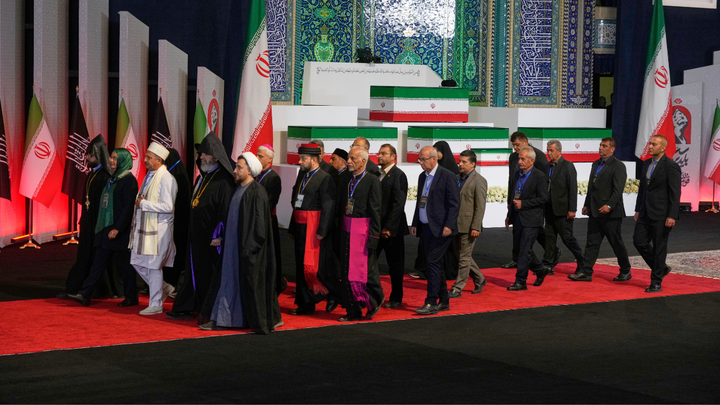
That gesture now appears to have been answered with attacks on international shipping.
Rather than abandoning diplomacy altogether, the administration is drawing a clear line: agreements are earned through actions, not promises. The sanctions relief offered under the memorandum was never unconditional, and Iranian strikes against commercial vessels crossed a boundary the White House had repeatedly warned about.
The Strait of Hormuz remains one of the world's most strategically important waterways, carrying a significant share of global energy shipments. Iran has long argued it should play a dominant role in controlling traffic through the passage and has sought to impose fees on commercial vessels. The Trump administration has firmly rejected that position, insisting the waterway must remain open to free international navigation rather than become a tool for coercion.
America First diplomacy has never meant rewarding aggression. It means negotiating from strength, honoring commitments when they are honored in return, and responding decisively when they are not. The administration's decision to withdraw sanctions relief sends a message that should not require translation: peace is available, but intimidation will carry a price.