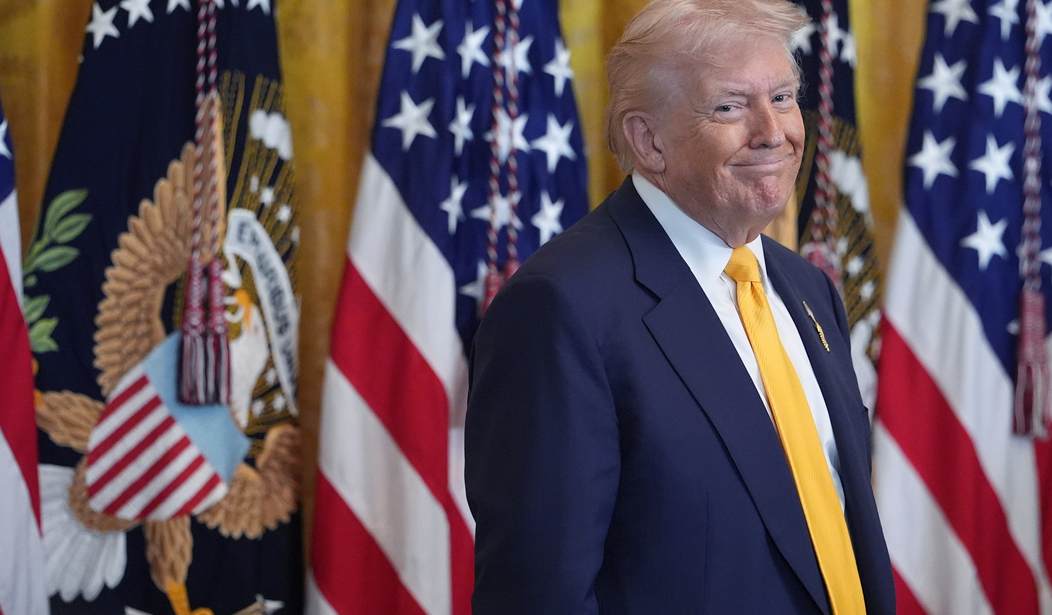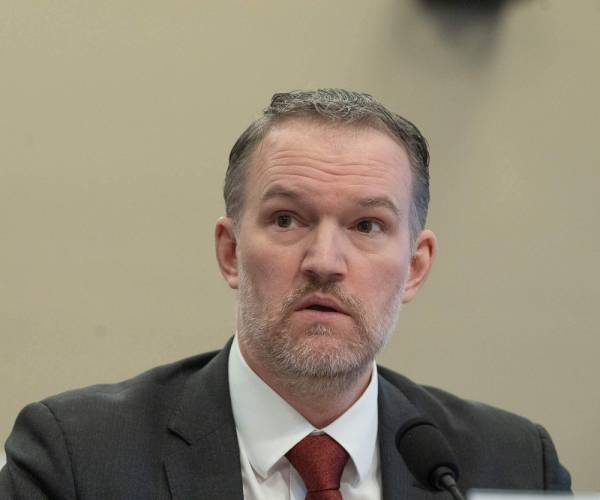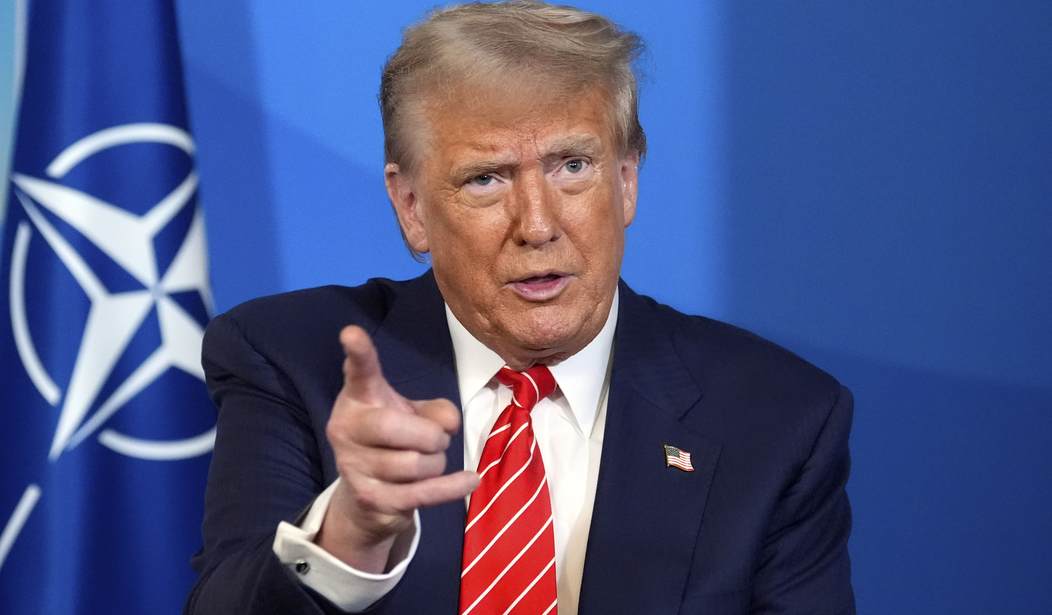
President Donald Trump appears ready to dramatically reshape America’s relationship with NATO once again, with reports indicating the United States plans to sharply reduce its military contributions to the alliance amid growing frustration with several European governments.
The reported move comes after years of Trump criticizing NATO countries for relying too heavily on American military power while failing to meet their own defense spending obligations.
And honestly, this has been one of Trump’s most consistent foreign policy positions since his first campaign: if Europe wants protection, Europe should start paying for it.
According to reports, the administration is now preparing a substantial military drawdown that could leave European allies scrambling to fill major security gaps previously handled by the United States.
The tensions reportedly escalated further after German Chancellor Friedrich Merz criticized American strategy toward Iran, claiming the U.S. lacked a coherent approach and was being “humiliated” during negotiations with Tehran.
Trump reportedly responded by ordering the Pentagon to withdraw approximately 5,000 U.S. troops from Germany — a move that apparently blindsided European officials.
That reaction sends a clear message: the days of European leaders publicly taking shots at the United States while simultaneously depending on American military protection may be coming to an end.
Next month, NATO members are expected to meet during a major “Force Sourcing Conference” where allies will reportedly discuss how to compensate for the reduced American military footprint.
Translation: Europe may finally have to start handling more of Europe’s defense responsibilities.
For decades, critics of NATO’s structure have argued that American taxpayers carried a disproportionate share of the alliance’s military burden while several wealthy European nations underinvested in defense and relied heavily on U.S. military readiness.
Trump has repeatedly hammered countries like Germany, Spain, and others for failing to consistently meet NATO’s defense spending targets, arguing the arrangement was fundamentally unfair to the United States.
To Trump supporters, the issue is simple: why should American taxpayers endlessly subsidize the defense of countries that often criticize U.S. leadership, oppose American policies, and fail to maintain adequate military capabilities themselves?
And recent geopolitical crises appear to have intensified that frustration inside the administration.
Reports suggesting some European allies failed to fully back American operations involving Iran and the Strait of Hormuz have only reinforced arguments from America-First conservatives that the alliance became too dependent on Washington’s willingness to absorb the costs and risks of global security leadership.
Of course, supporters of NATO warn that weakening the alliance could embolden adversaries like Russia and China while creating instability across Europe during an already dangerous geopolitical period.
But Trump’s approach has never been about abandoning alliances entirely — it’s about forcing allies to contribute more equally rather than treating the United States like the world’s permanent military ATM.
The broader shift also reflects a major philosophical change in American foreign policy.
For decades, Washington’s bipartisan establishment largely treated massive overseas military commitments as permanent and unquestionable. Trump, meanwhile, has consistently challenged whether endless global obligations actually serve American interests first.
And now it appears that philosophy is beginning to reshape NATO itself.
Whether European governments are prepared for a future with reduced American military backing remains uncertain. But one thing is becoming increasingly clear: the old status quo — where America handled most of the burden while allies offered criticism and partial commitments — may no longer survive under Trump’s leadership.