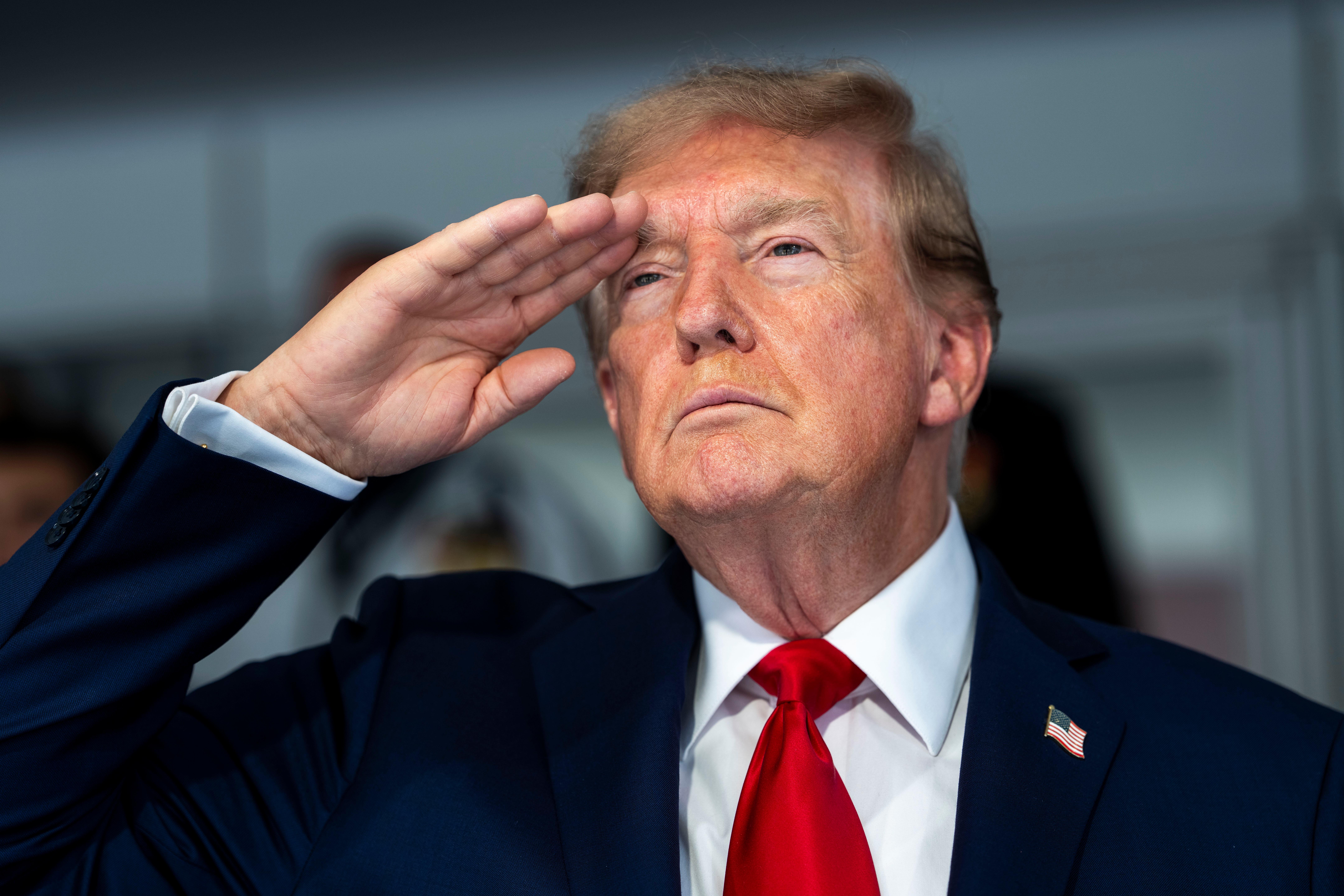
Americans are struggling under the weight of soaring grocery bills, a constant reminder of the economic pressures facing families across the nation. In an effort to provide immediate relief, President Donald Trump has unveiled an ambitious plan: flooding the market with foreign ground beef at significantly reduced prices.
Last week, President Trump announced on Truth Social his intention to introduce 300,000 metric tons of imported ground beef, promising it would be sold at a remarkable 25% below current market prices over a 90-day period. His rationale is simple: deliver cheaper food directly to the consumer, a move he believes is "what the people want."
However, this bold initiative, while aimed at easing the financial burden on American families, has stirred a significant debate within the Republican Party, particularly among key senators and House members fighting to secure the GOP majority in competitive races. Their concern is clear: protect American ranchers, a vital backbone of our domestic economy.
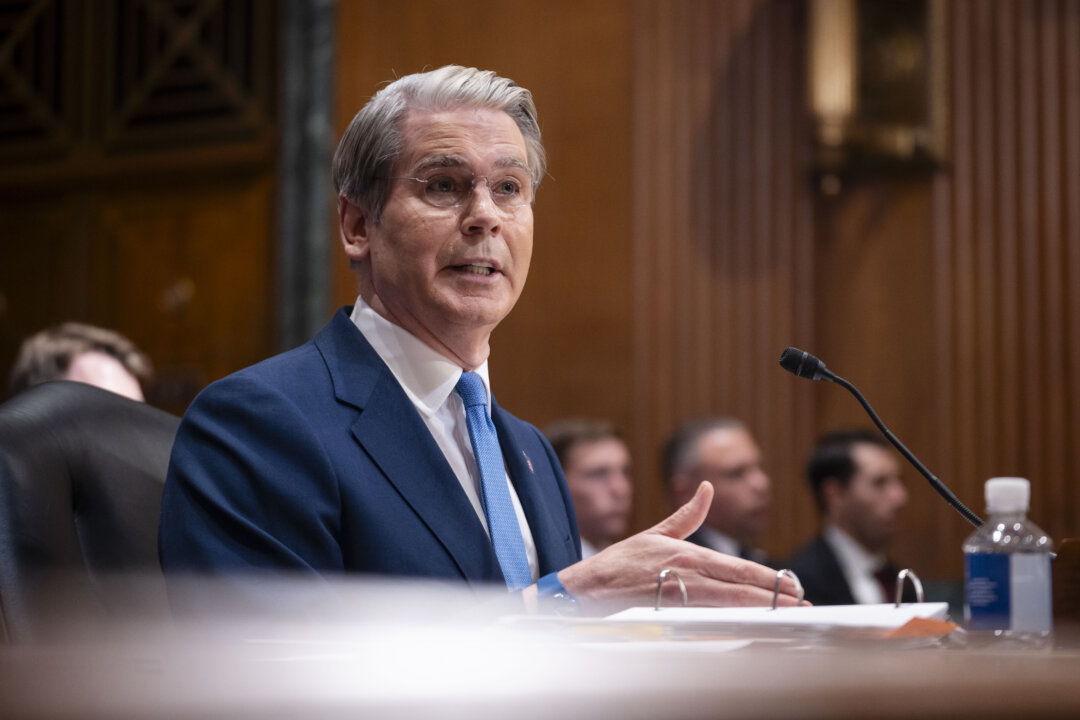
Senator Tom Cotton, Republican from Arkansas and a staunch Trump ally, voiced strong opposition. "Beef prices are high for a simple reason: Our cattle herd is too small," Cotton explained on X. "Imported beef below market prices will only put more pressure on our cattlemen. I have advised the President against this ill-advised action in the past and I now urge him to reconsider. We need to support our cattlemen, grow the herd, and let the market work." His words highlight a core conservative principle: strengthen domestic industries, rather than relying on external solutions.
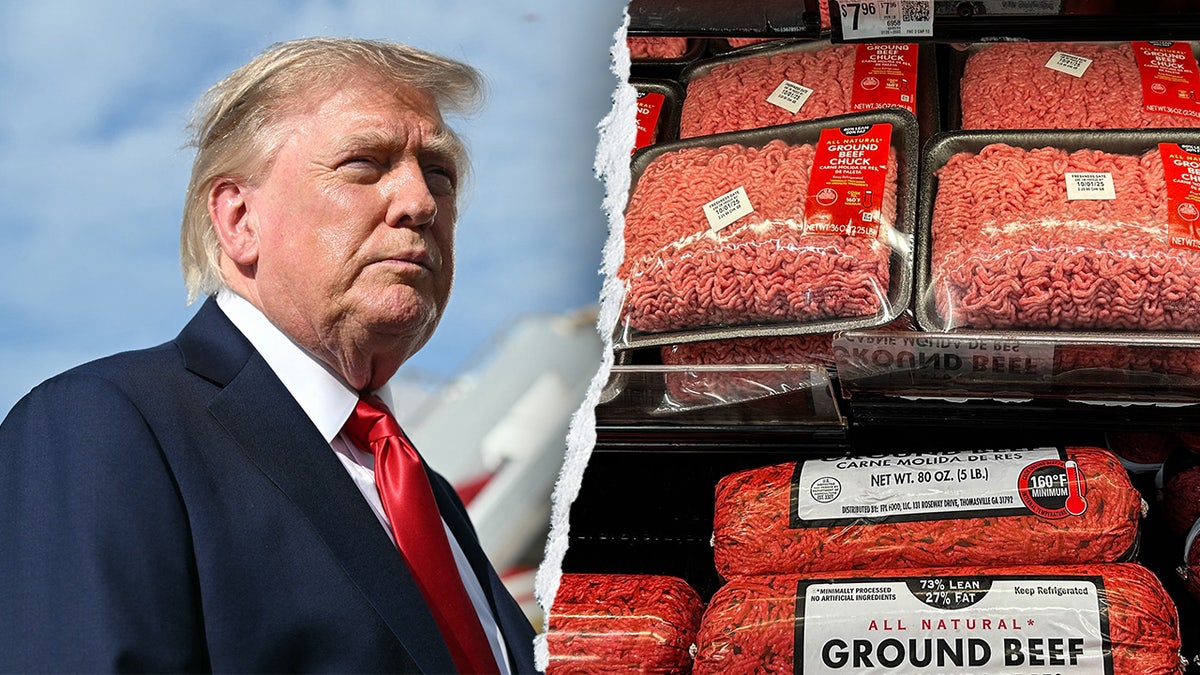
Indeed, ground beef prices have climbed to approximately $7 per pound, coinciding with the nation's cattle herd reaching historic lows not seen since the 1950s, according to USDA data. It's a crisis affecting both consumers and producers, but the proposed solution has divided opinion.
President Trump, while stumping for Senator Darline Graham in South Carolina, defended his approach. "That’s what the voters want, and that’s what I want. The ranchers are great. They’re my people. I love the ranchers," Trump said. "They’ve done a fantastic job, but they admit that we need a little help in order to get the prices down, so that’s what we’re doing."
While the exact countries of origin for this new beef supply remain undisclosed, this isn't the first time such a proposal has been floated. Earlier this year, an executive order aimed at lowering beef prices allowed an influx of 80,000 metric tons of beef trimmings from Argentina. That move, too, generated private consternation among Republicans during a closed-door Senate meeting with Vice President JD Vance.
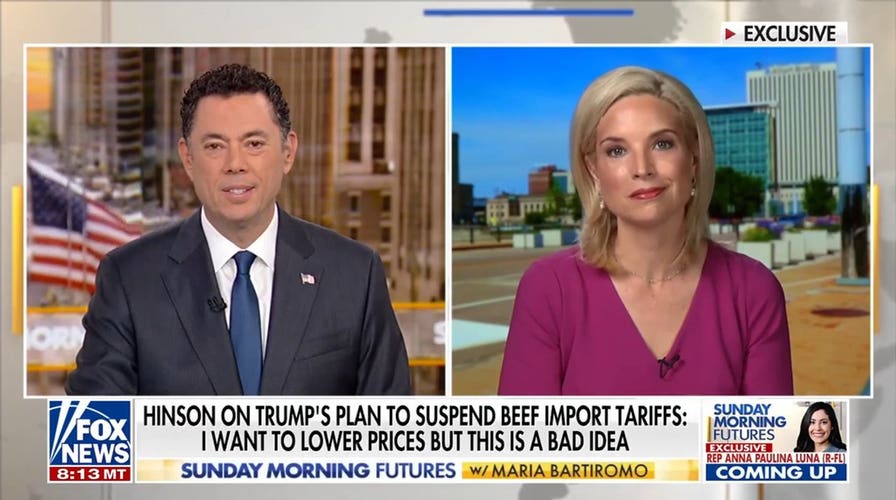
Now, the concerns are once again public. Representative Ashley Hinson, an Iowa Republican locked in one of the country's tightest Senate races, echoed the sentiment. "I want to lower prices, but this is a bad idea," Hinson stated on X.
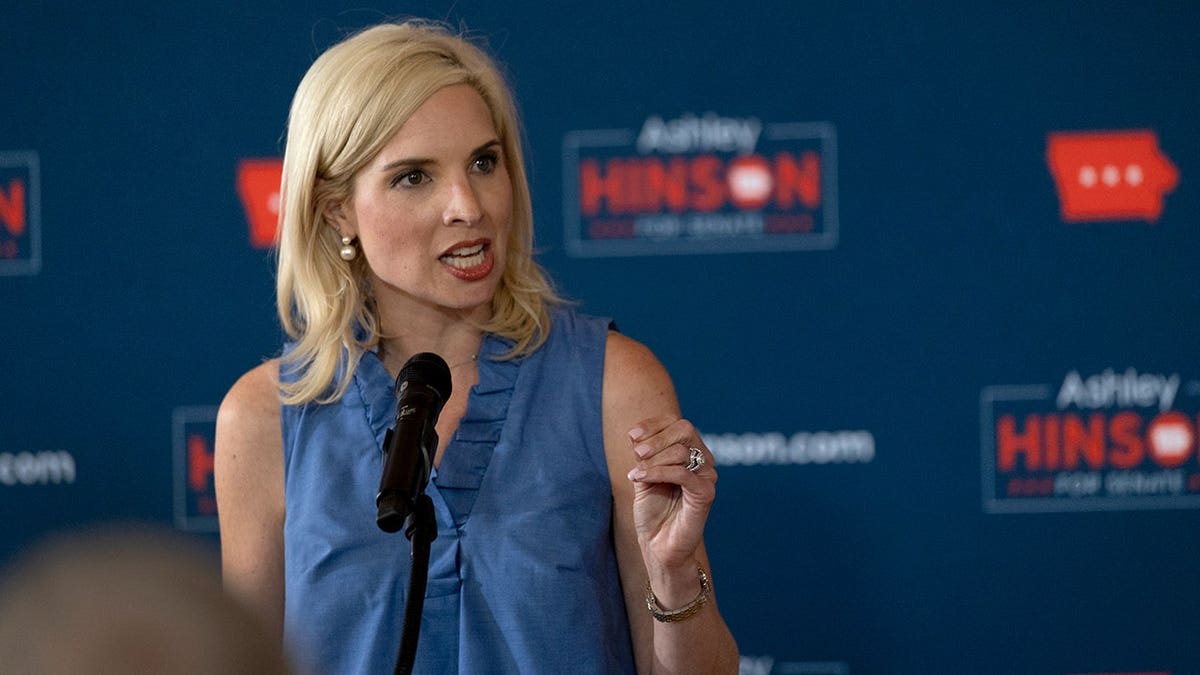
Other incumbent Republicans representing agricultural strongholds are equally wary. Senator Mike Rounds of South Dakota bluntly charged, "This Hurts!" Senator Pete Ricketts of Nebraska, while acknowledging the goal of lower grocery prices, warned that "short-term policy shifts do not equal long-term solutions." He added, "Flooding the market with lower quality beef compromises Nebraska farmers and ranchers."
Even Senator Tim Sheehy, a Montana Republican and another key Trump ally, expressed his consistent advice against such a plan for the past year, emphasizing its potential harm to American ranchers, "most of whom are MAGA Republicans." Sheehy also pointed to challenges like the "Mexican screwworm" impacting beef prices, suggesting a more nuanced approach than simply importing. This internal dialogue highlights the complex dance of balancing consumer relief with the foundational support for American agriculture.
The debate within the America First movement underscores a critical question: how best to ensure prosperity for all Americans. While immediate price reductions are appealing, many conservatives argue that true economic strength comes from bolstering domestic industries and protecting the livelihoods of American producers, rather than introducing foreign competition that could weaken them. It’s a delicate balance, and one that America’s leaders must navigate with a clear vision for long-term national strength and self-reliance.