Diplomacy only works when both sides believe the alternative is worse.
That appears to be the calculation driving the next round of U.S.-Iran negotiations as indirect talks resume in Doha over at least $6 billion in frozen Iranian assets — with the Trump administration making clear that access to money and regional stability are moving together, not separately.
The talks come after a fragile ceasefire framework and efforts to reopen shipping through the Strait of Hormuz created an opening for negotiations, even as tensions remain close to the surface. U.S. and Iranian officials still have not held a direct face-to-face meeting under the current process. Qatar continues serving as an intermediary.
On Tuesday, U.S. envoys Steve Witkoff and Jared Kushner were in Qatar for discussions involving regional issues, including maintaining the ceasefire and addressing broader Middle East stability. Qatari officials emphasized those meetings were with mediators rather than direct negotiations with Iranian representatives.
One of the biggest sticking points is not simply the frozen assets.
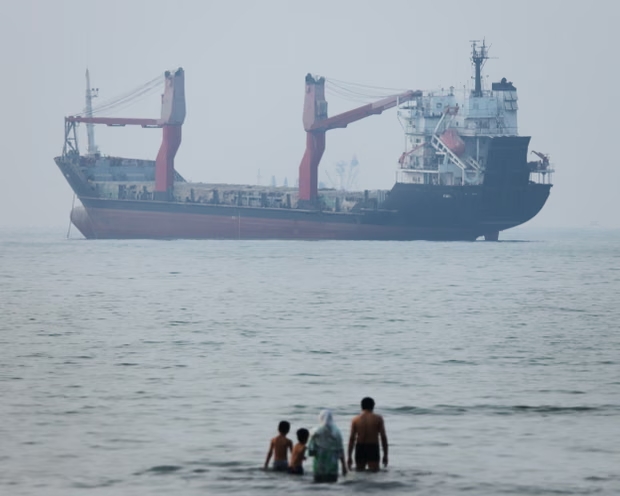
Washington is also seeking details surrounding Iran’s proposals affecting traffic through the Strait of Hormuz, including discussions about toll structures and maritime access. The administration’s position has centered on protecting open navigation and preventing strategic waterways from becoming leverage points.
That distinction matters politically.
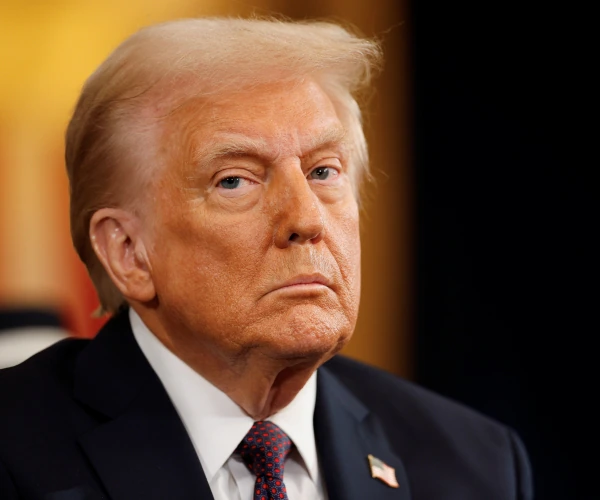
For President Donald Trump, diplomacy has never been presented as an end in itself. The administration’s message has been that negotiations only make sense if they produce measurable outcomes, enforceable commitments, and tangible advantages for American interests.
Recent reporting indicates that any movement on the frozen funds would be conditional rather than automatic, with access tied to benchmarks and structured in phases rather than unrestricted transfers. U.S. officials have emphasized that no broad release has occurred and that conditions remain attached to future steps.
That creates a very different political image than the old model critics often described as concessions first and verification later.
The White House appears to be betting that pressure backed by negotiation can achieve more than pressure alone — but also that negotiation without leverage produces little.
The next phase of talks will test whether Iran sees economic relief as worth real concessions or simply as another opportunity to buy time. For an administration built around America First priorities, the answer is expected to come through enforcement, not promises.