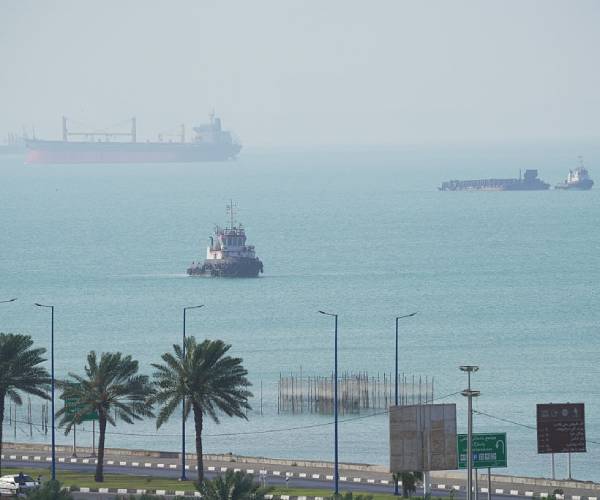
President Donald Trump’s strategy of maximum pressure is delivering exactly what it promised—results. The U.S. blockade of the Strait of Hormuz has already cost Iran nearly $5 billion in lost oil revenue, according to Pentagon estimates reported by Axios. Not exactly pocket change.
Trump made it clear this week that the blockade isn’t going anywhere anytime soon. The world’s most critical energy chokepoint will remain under U.S. control until Iran agrees to a deal on its nuclear program. Simple terms: no deal, no relief.
With oil exports restricted, Iran’s economy—already battered by war, unrest, and years of sanctions—is taking another major hit. Less oil moving out means less hard currency coming in, and that’s the lifeline Tehran depends on. Turns out, economics still matters.
The blockade, which began on April 13, has already redirected more than 40 vessels attempting to pass through the strait. Iran, in response, has been harassing ships and issuing threats, creating what’s now being described as a “dual blockade.” Because when pressure mounts, escalation tends to follow.
Of course, there are global ripple effects. Fewer tankers mean tighter supply, which has led to jet fuel shortages and rising gasoline prices worldwide. Not ideal—but also a reminder of just how critical this region is to global energy markets.
From the Pentagon’s perspective, the mission is clear. Acting press secretary Joel Valdez stated that the U.S. is delivering a “devastating blow” to Iran’s ability to fund terrorism and destabilize the region. And according to officials, that pressure isn’t easing up anytime soon.
What’s unfolding is a textbook example of leverage in action. Instead of empty threats or endless negotiations, this approach applies real, measurable consequences—and gets attention fast.
And while the situation remains tense, one thing is certain: strong leadership isn’t about avoiding tough decisions—it’s about making them when they matter most.