While American soccer fans celebrated welcome news ahead of one of the biggest matches of the World Cup, many on the political left found something else to focus on: attacking President Donald Trump.
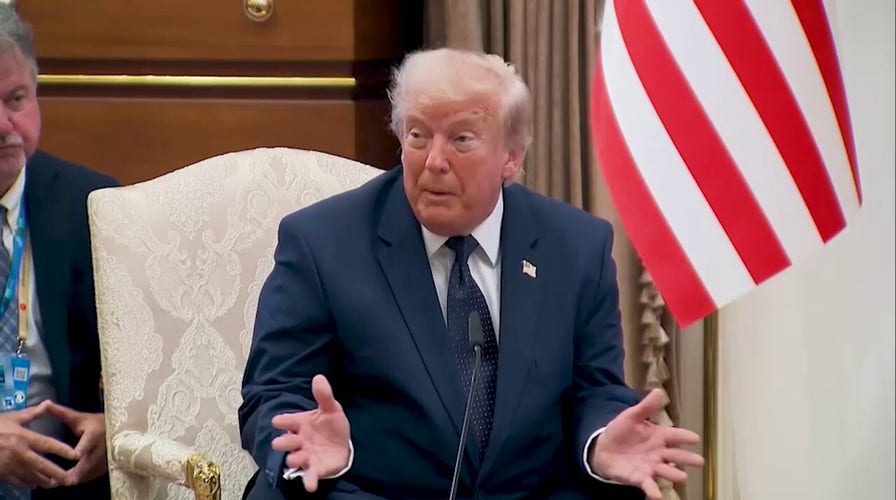
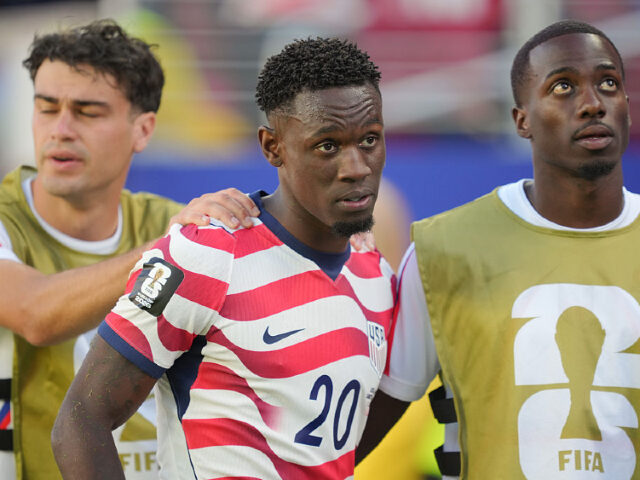
The U.S. Men's National Team received a major boost after star striker Folarin Balogun's red card was overturned, clearing the way for him to suit up in Monday night's pivotal World Cup showdown against Belgium. The reversal came after President Trump intervened on Balogun's behalf, delivering exactly the outcome that players, coaches, and fans had hoped for.
For the United States, the decision means one of its top offensive weapons will be available in a match that could define the team's tournament run. For many Americans, that was reason enough to celebrate.
Not everyone saw it that way.
Rather than welcome the opportunity for the U.S. to field its strongest lineup, left-wing commentators and activists immediately shifted the conversation from soccer to politics. Some urged Balogun to reject what they described as Trump's "unfair intervention" and even suggested he refuse to play altogether, arguing that doing so would send a political message to the world.
That reaction raised an obvious question: when did rooting against America's own team become a virtue?
For millions of fans, international competition is about representing the country with pride and giving athletes every legitimate opportunity to succeed. Turning a World Cup match into another battlefield for partisan activism strikes many Americans as yet another example of politics invading spaces that once united the nation.
Balogun's eligibility now allows the United States to compete at full strength against one of the tournament's toughest opponents. The focus, supporters say, should be on the players, the competition, and America's chance to advance—not on manufactured outrage over a political figure helping secure what many view as a fair outcome.
As Team USA prepares to take the field, the contrast is difficult to miss. One side is focused on winning for the country. The other appears more interested in scoring political points, even if it means rooting against an American success story on one of the world's biggest stages.